 EN
 AR
 BG
 HR
 CS
 FR
 DE
 EL
 HI
 IT
 JA
 KO
 PT
 RO
 RU
 ES
 TL
 ID
 LV
 LT
 SR
 UK
 VI
 SQ
 TH
 TR
 MS
 MK
 HY
 AZ
 KA
 MN
 KK
 UZ
 KY

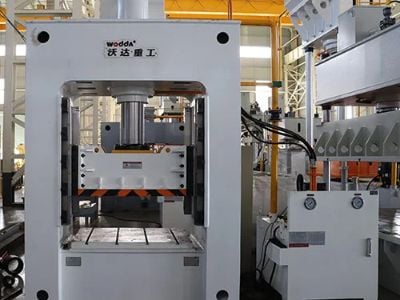
Choosing the right frame hydraulic press is essential for optimizing production efficiency and ensuring the quality of your final products. The size of the workpiece is a critical factor in determining which hydraulic press best meets your operational needs. This article will guide you through the key considerations to make an informed decision regarding how to choose frame hydraulic press according to workpiece size. We will address specifications, quality and cost factors, common issues, material advantages, and various applications across industries.
Key Specifications to Consider When Selecting a Hydraulic Press
When selecting a frame hydraulic press, understanding key specifications is vital. These specifications directly impact the performance and efficiency of the machine.
Press Capacity: This refers to the maximum force the hydraulic press can exert, typically measured in tons. Ensure the capacity aligns with the maximum load of your workpieces to prevent operational failures.
Working Area: The dimensions of the working area, including the height, width, and depth, must accommodate your largest workpiece. A press that is too small may limit your production capabilities or require multiple setups.
Stroke Length: The stroke length determines how far the ram can travel. This should be sufficient for the thickness of the workpieces being processed. A shorter stroke may lead to inadequate processing, while an excessively long stroke can reduce efficiency.
Speed of Operation: The c frame hydraulic press speed at which the press operates affects production throughput. Consider whether a faster cycle time is necessary for your applications, as this can enhance productivity.
Control System: Advanced control systems allow for better precision and repeatability. Look for presses with programmable features to suit various production requirements.
Evaluating these specifications against your workpiece dimensions ensures you select a hydraulic press that meets your operational needs without over-engineering or underestimating capacity.
Quality and Cost Factors
Quality and cost are two of the most significant considerations when purchasing a frame hydraulic press.
Quality: Look for manufacturers with ISO9001 certification and a history of producing reliable machinery. A reputable manufacturer, like Shandong Woda Heavy Machinery, which holds various patents and has experience serving diverse industries, can provide assurance of quality.
Material and Build: The materials used in construction affect durability and performance. Higher-quality steel and robust design will contribute to a longer lifespan and lower maintenance costs.
Cost Factors: While initial purchase price is critical, consider the h frame hydraulic press total cost of ownership, which includes maintenance, potential downtime, and resale value. A cheaper press may result in higher operational costs over time due to inefficiencies or breakdowns.
Customization: If your production process requires specific features, inquire about customization capabilities. Tailored solutions may involve additional costs but can enhance overall operational efficiency.
Balancing quality and cost is essential. Initial investments may be higher for top-tier machinery, but the long-term savings and productivity gains often justify the expense.
Common Problems with Hydraulic Presses and Their Solutions
Like any machinery, frame hydraulic presses can experience issues that affect performance. Understanding these problems and their solutions can save time and money:
Hydraulic Leaks: A common issue, leaks can lead to reduced pressure and operational inefficiencies. Regular maintenance and inspections are essential to identify and rectify leaks promptly.
Misalignment: Improper alignment of the ram can lead to uneven pressure distribution, affecting the quality of the workpiece. Regular checks and adjustments during setup can prevent this problem.
Overheating: Extended operation can lead to overheating, which may damage components. Implementing cooling systems or allowing for breaks during heavy usage can mitigate this risk.
Electrical Failures: Control system malfunctions can halt production. Choosing a hydraulic press with a reliable electrical system and having a backup plan for troubleshooting can minimize downtime.
By proactively addressing these common problems, you can maintain operational efficiency and extend the lifespan of your hydraulic press.
Understanding Material Advantages in Frame Hydraulic Press Design
The materials used in the design of a frame hydraulic press significantly influence its performance and durability. Here are some key material considerations:
Frame Material: Typically made from high-strength steel, the frame must withstand substantial forces. The choice of material affects the press's resistance to deformation and overall stability during operation.
Ram Material: The ram, which exerts pressure on the workpiece, should be made from materials that can withstand high forces without bending or breaking. Alloy steels are commonly used due to their strength and hardness.
Surface Treatment: Proper surface treatment, such as hardening or coating, enhances wear resistance and reduces friction, contributing to smoother operation and longevity.
Compatibility with Workpiece Materials: The hydraulic press should be designed to handle the specific materials being processed. For instance, if working with abrasive materials, the press's components should be selected to resist wear.
Understanding these material advantages helps buyers select a hydraulic press that not only meets their immediate needs but also adapts to future applications.
Applications of Frame Hydraulic Presses in Various Industries
Frame hydraulic presses are versatile tools used across numerous industries, each with specific applications:
Automotive Industry: Used for stamping, forming, and assembling automotive parts, hydraulic presses play a crucial role in producing components with high precision.
Sheet Metal Fabrication: Hydraulic presses efficiently shape and cut sheet metal, making them indispensable in metalworking shops for creating parts and structures.
Mining and Metallurgy: In these sectors, frame hydraulic press are employed for forging and compacting materials, ensuring optimal density and strength in finished products.
Consumer Goods: From manufacturing household appliances to creating packaging materials, hydraulic presses ensure the efficient production of a wide variety of consumer goods.
Understanding the specific applications within your industry can guide you in choosing the right hydraulic press to meet your operational needs. This consideration ensures that the machine can handle the expected workload and produce high-quality results. By considering the discussed factors, potential buyers can confidently navigate the selection process for a frame hydraulic press tailored to their specific workpiece sizes and operational requirements.