 EN
 AR
 BG
 HR
 CS
 FR
 DE
 EL
 HI
 IT
 JA
 KO
 PT
 RO
 RU
 ES
 TL
 ID
 LV
 LT
 SR
 UK
 VI
 SQ
 TH
 TR
 MS
 MK
 HY
 AZ
 KA
 MN
 KK
 UZ
 KY

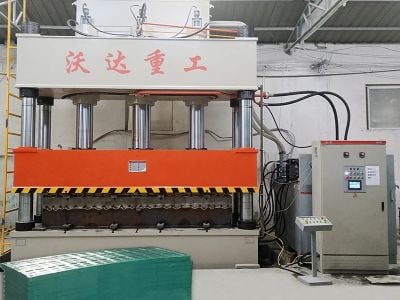
A 4 Column Hydraulic Press for Composite Material Hot Press Forming is a specialized machine designed to apply uniform pressure across a composite material assembly during the curing or forming process. This equipment is essential for manufacturers in industries such as automotive, aerospace, and construction, where high precision and strength are required. Buyers typically seek to understand the machine's specifications, cost factors, and operational challenges to ensure they make informed purchasing decisions. This article provides essential insights into selecting, evaluating, and maintaining a 4 Column Hydraulic Press tailored for composite materials.
Choosing the Right 4 Column Hydraulic Press for Composite Materials
Selecting the appropriate 4 Column Hydraulic Press for composite materials involves evaluating several key specifications and features. First, consider the tonnage capacity, which should match the material requirements and the intended application. Hydraulic presses are available in various capacities, and choosing one that can handle your specific composite materials such as glass fiber reinforced plastics (GFRP), carbon fiber reinforced plastics (CFRP), or thermoplastics is crucial for consistent performance. Next, examine the dimensions of the press, including the platen size and stroke length. The platen should be large enough to accommodate the material configuration, while the stroke length must support the thickness of the composite layers. Additionally, look for models that offer adjustable pressure settings, allowing for flexibility in processing different materials or part designs. Finally, assess the additional features, such as heating capabilities, control systems, and safety mechanisms. Many modern 315 ton hydraulic press come with programmable controls for precise operation, which can enhance efficiency and product quality. Always consult with the manufacturer or supplier to ensure that the selected press meets your specific production requirements.
Understanding the Cost Factors for Composite Material Press Equipment
The cost of a 4 Column Hydraulic Press for composite material hot press forming can vary significantly based on several factors. Key considerations include the machine's capacity, complexity, and additional features. Higher tonnage capacity typically correlates with a higher price, as these machines require more robust construction and components. Customization options can also affect pricing. If specific modifications are required such as unique platens, additional heating elements, or advanced control systemsbe prepared for increased costs. Additionally, consider the total cost of ownership, which includes maintenance, operation, and energy consumption over the machine's lifespan. Another important factor is manufacturer reputation and warranty provisions. Selecting a machine from a well-regarded manufacturer, such as Shandong Woda Heavy Machinery, which has ISO9001 certifications, can provide added assurance regarding quality and reliability, potentially justifying a higher upfront investment.
A Step-by-Step Approach
When preparing to purchase a 4 Column Hydraulic Press for composite materials, follow this step-by-step approach:
Assess Your Needs: Determine the specific applications and materials you will use, including the required tonnage, platen size, and processing temperatures.
Research Suppliers: Look for reputable manufacturers with experience in 800 ton hydraulic press, especially those that have served industries similar to yours. Verify their certifications and customer reviews.
Request Quotations: Provide potential suppliers with detailed information about your requirements, including specifications, expected production volumes, and any customization needs. This will help them offer tailored solutions.
Evaluate Proposals: Compare the quotes based on not only price but also the included features, warranty, and service support.
Inspect Samples: If possible, request a demonstration or sample part produced on the press to assess its performance and quality.
Finalize Your Decision: Once satisfied with the evaluation, proceed with the order and discuss installation and training support with the supplier.
Common Problems with Hydraulic Presses and Effective Solutions
Hydraulic presses, including 4 Column models, can encounter several common issues that may affect performance:
Pressure Fluctuations: Inconsistent pressure can lead to uneven curing of composite materials. This can often be resolved by checking hydraulic fluid levels and ensuring that the pressure gauge is functioning correctly.
Heating Issues: If the press is equipped with heating elements, inadequate heating can affect the curing process. Regular maintenance and inspections can help identify and rectify heating problems before they impact production.
Alignment Problems: Misalignment of the platens can cause uneven pressure distribution. Regular alignment checks and adjustments are essential to maintain consistent performance.
Seal Wear: Hydraulic seals can degrade over time, leading to leaks and reduced efficiency. Regularly inspect seals and replace them as necessary to ensure optimal operation.
By proactively addressing these issues and implementing a regular maintenance schedule, companies can enhance the longevity and reliability of their hydraulic presses.
Material Advantages of Using Hydraulic Presses for Composite Forming
Hydraulic presses offer significant advantages when forming composite materials. One notable benefit is the ability to apply uniform pressure across large surfaces, which is critical for achieving consistent material properties and structural integrity. This uniformity helps prevent defects such as voids or weak spots, which can compromise the final product's performance. Additionally, hydraulic presses can accommodate various heating methods, such as steam or electrical heating, making them versatile for different composite materials. The controlled environment within the press allows for precise temperature management, further enhancing the curing process.
Moreover, the flexibility of hydraulic presses allows for the processing of diverse composite shapes and sizes, meeting the demands of modern design and engineering requirements. This capability is particularly advantageous in industries like automotive and aerospace, where lightweight and high-strength materials are increasingly essential. In summary, investing in a 4 Column smc hydraulic press for Composite Material Hot Press Forming can significantly enhance your production capabilities, offering precision, efficiency, and adaptability in processing advanced composite materials.