 EN
 AR
 BG
 HR
 CS
 FR
 DE
 EL
 HI
 IT
 JA
 KO
 PT
 RO
 RU
 ES
 TL
 ID
 LV
 LT
 SR
 UK
 VI
 SQ
 TH
 TR
 MS
 MK
 HY
 AZ
 KA
 MN
 KK
 UZ
 KY

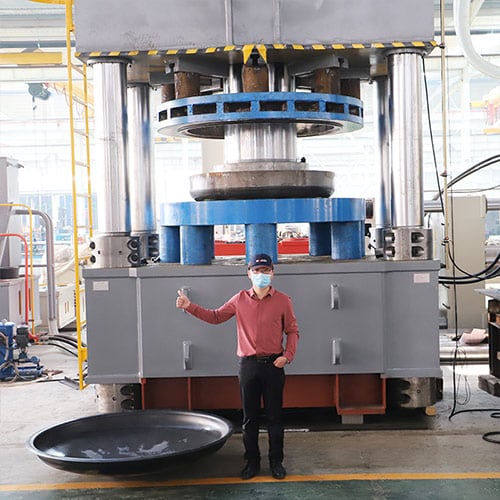
The 4 Column Hydraulic Press is a specialized machine commonly used in the manufacturing of manhole covers, offering significant advantages in efficiency and precision. For B2B buyers in engineering, purchasing, and manufacturing roles, understanding the application of hydraulic presses in this context is crucial. This article will address key specifications, bulk order considerations, quality evaluation, common problems, and solutions related to 4 Column Hydraulic Press applications in manhole cover molding production, helping you make informed purchasing decisions.
Bulk Order Considerations for 4 Column Hydraulic Presses
When considering bulk orders for 4 column hydraulic press, several factors should be taken into account. First, assess your production requirements, including the volume of manhole covers needed and the specific features required for your operation. This includes understanding the load capacity, pressing speed, and dimensional specifications.
Minimum Order Quantities (MOQs) can vary based on the manufacturer. It’s essential to confirm MOQs early in discussions to avoid surprises later in the procurement process. Additionally, consider lead times, as these can significantly impact your production schedules. Manufacturers like Shandong Woda Heavy Machinery, known for their extensive experience and capabilities, can often provide more favorable terms for larger orders, including possible customization options.
Lastly, ensure that your budget aligns with potential discounts available for bulk purchases. Manufacturers may offer competitive pricing structures that can lead to significant cost savings over time.
Key Specifications of 4 Column Hydraulic Press for Manhole Covers
Understanding the key specifications of a 4 Column Hydraulic Press is vital for ensuring it meets your manufacturing needs. Important specifications include:
Pressing Force: This is measured in tons and determines the maximum load the press can handle. For manhole covers, a pressing force typically ranges from 100 to 1000 tons, depending on the material and design.
Stroke Length: The stroke length affects how thick or complex the products can be. It’s essential to confirm that the stroke length can accommodate the specific height of the manhole covers you intend to produce.
Table Size: The size of the working table must be large enough to hold the molds used for manhole cover production. This ensures stability during the pressing process.
Control System: Modern hydraulic presses often feature advanced control systems for better precision and automation. Consider whether you require manual controls or automated options that improve efficiency.
Material Quality: The materials used in the construction of the hydraulic press, such as high-strength steel, affect its durability and performance. Ensure the manufacturer provides detailed information on material quality and any relevant certifications.
By confirming these specifications, you can avoid compatibility issues and ensure the hydraulic press will perform optimally in your specific application.
Evaluating Quality in 4 Column Hydraulic Press Manufacturing
Quality evaluation is critical in selecting a hydraulic press. Buyers should consider several key aspects:
Manufacturing Processes: Investigate the manufacturer’s production methods, including their quality control processes. Companies with ISO 9001 certifications, like Shandong Woda Heavy Machinery, typically adhere to stringent quality standards.
Material Certifications: Ensure that the materials used in the auto hydraulic press meet industry standards. Certifications like CE and other relevant quality marks indicate compliance with safety and performance standards.
Factory Inspection: If possible, conduct an on-site inspection of the manufacturing facility. This allows you to assess the level of automation, cleanliness, and overall operational efficiency.
Customer Reviews and Testimonials: Research feedback from previous buyers to gauge satisfaction levels regarding product performance and reliability. This can offer insights into the machine’s long-term durability and any potential issues.
Post-Sale Support: Evaluate the support provided by the manufacturer, including warranty terms, maintenance services, and availability of spare parts. A responsive support team can be invaluable in addressing any operational challenges that may arise.
By applying these evaluation criteria, you can make a more informed decision regarding the quality and reliability of the hydraulic press.
Applications of 4 Column Hydraulic Press in Manhole Cover Production
The versatility of the 4 Column Hydraulic Press makes it particularly suitable for manhole cover production. Its applications include:
Molding: The press is used to mold various materials, including concrete and composite materials, into the desired shape and dimensions for manhole covers. The consistent pressure applied ensures uniformity and quality in the final product.
Customization: Many manufacturers require customized molds for different manhole cover designs. The 4 Column Hydraulic Press can adapt to various mold configurations, allowing for flexibility in production.
Efficiency: With faster cycle times compared to manual processes, hydraulic presses enhance productivity, enabling manufacturers to meet high demand more effectively.
Precision: The hydraulic system provides precise control over the pressing force and speed, ensuring that the final products adhere to exact specifications. This is critical in urban environments where manhole covers must fit securely and withstand heavy traffic loads.
In summary, the 4 Column Hydraulic Press is integral to efficient and high-quality manhole cover production, offering manufacturers the ability to produce durable and compliant products.
Common Problems with 4 Column Hydraulic Presses and Solutions
Despite their advantages, users may encounter common problems when operating four column hydraulic press machine. Being aware of these issues and their solutions can enhance operational efficiency:
Hydraulic Leaks: Over time, seals can wear out, leading to hydraulic fluid leaks. Regular maintenance and timely replacement of seals can prevent this issue. Implementing a scheduled maintenance plan can help identify potential leaks before they become significant problems.
Inconsistent Pressure: Fluctuations in pressure can lead to defective products. This may be caused by issues in the hydraulic system or the control unit. Regular calibration and maintenance checks can help ensure consistent performance.
Overheating: Extended operation without adequate cooling can cause the hydraulic system to overheat, affecting performance. Ensuring proper cooling systems are in place and monitoring operational times can mitigate this risk.
Electrical Failures: Power failures or faults in the electrical control system can disrupt operations. Regular inspections of electrical components and prompt repairs can minimize downtime.
Mold Wear: Molds can wear out over time, leading to poor product quality. Monitoring mold condition and implementing a rotation schedule for molds can extend their lifespan and maintain production quality.
By proactively addressing these common problems, manufacturers can maximize the reliability and efficiency of their 4 Column Hydraulic Presses, ensuring a smoother production process.
Table of Contents
- Bulk Order Considerations for 4 Column Hydraulic Presses
- Key Specifications of 4 Column Hydraulic Press for Manhole Covers
- Evaluating Quality in 4 Column Hydraulic Press Manufacturing
- Applications of 4 Column Hydraulic Press in Manhole Cover Production
- Common Problems with 4 Column Hydraulic Presses and Solutions