 EN
 AR
 BG
 HR
 CS
 FR
 DE
 EL
 HI
 IT
 JA
 KO
 PT
 RO
 RU
 ES
 TL
 ID
 LV
 LT
 SR
 UK
 VI
 SQ
 TH
 TR
 MS
 MK
 HY
 AZ
 KA
 MN
 KK
 UZ
 KY

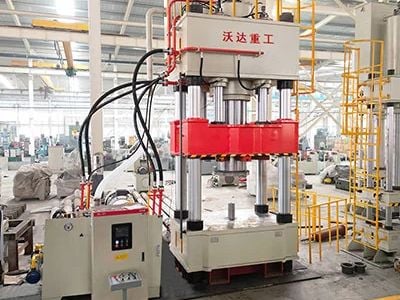
A four-column hydraulic press is a powerful and versatile machine widely used in various industrial applications, particularly in manufacturing and metal forming. This article dives into the advantages of a four-beam, four-column structure, which is essential for ensuring stability, precision, and efficiency in operations. As purchasing managers and engineers evaluate their equipment options, understanding these benefits becomes crucial for making informed decisions. This guide will help you comprehend the key specifications, applications, and common issues associated with four-column hydraulic presses, ultimately aiding in your decision-making process.
Understanding the Advantages of Four-Column Hydraulic Press Design
The four-column hydraulic press design offers several distinct advantages, particularly in applications requiring high precision and heavy-duty performance. The four-column structure provides enhanced stability compared to two or three-column designs, minimizing flex and vibration during operation. This stability is essential when dealing with large workpieces or high-pressure applications, as it ensures consistent results and reduces the risk of defects.
Additionally, the four-beam configuration allows for better load distribution across the machine, leading to increased durability and longevity. This design is particularly beneficial for industries such as automotive manufacturing, where the precision of metal forming is critical. Furthermore, the four-column design facilitates easier access to the work area, improving operator safety and efficiency during loading and unloading processes.
How to Choose the Right Four-Beam Hydraulic Press for Your Needs?
Selecting the appropriate four-beam hydraulic press involves considering several factors tailored to your specific applications and production needs. First, evaluate the required tonnage, which is essential for determining the press's capacity to handle the materials and shapes you will be working with. Assess the maximum load and ensure that the hydraulic press can accommodate your heaviest components without compromising performance.
Next, consider the working area dimensions, including the 315 ton hydraulic press bed size and stroke length, which should align with the size of the parts you intend to process. Additionally, examine the type of hydraulic system employed, as this can affect the speed and efficiency of operations. For instance, a high-speed hydraulic system may be advantageous for applications requiring rapid cycling.
Customization options are also an important consideration. Many manufacturers, like Shandong Woda Heavy Machinery, offer tailored solutions that can include specific tooling, automation features, and control systems, allowing the press to better meet your operational requirements.
Key Specifications to Evaluate in Four-Column Hydraulic Presses
When evaluating four-column hydraulic presses, specific technical specifications should be prioritized to ensure optimal performance and compatibility with your manufacturing processes. Key specifications include:
Tonnage Capacity: This indicates the maximum load the press can handle. Ensure this aligns with your manufacturing requirements, as an insufficient capacity can lead to equipment failure or production delays.
Stroke Length: The stroke length determines how deep the press can operate. It is vital for applications involving thick or large materials. Ensure the stroke length is appropriate for the parts being processed.
Table Size: A sufficient table size is necessary to support the workpieces adequately. Verify that the dimensions accommodate your largest components.
Hydraulic System Type: Different hydraulic systems can offer varying levels of efficiency and power. Consider whether a conventional hydraulic system or a more advanced, energy-efficient system is suitable for your needs.
Control System: The type of control system can significantly affect operational efficiency. Advanced control systems with programmable features allow for more precise operations and can streamline production processes.
Certification and Quality Standards: Ensure that the 800 ton hydraulic press complies with industry standards such as ISO9001 and features necessary safety certifications. This compliance is crucial for ensuring operational safety and reliability.
Applications of Four-Beam Hydraulic Presses in Various Industries
Four-beam hydraulic presses find applications across a range of industries due to their versatility and robust performance. Some key sectors include:
Automotive Industry: Used for forming and shaping metal components, these presses are crucial for producing parts like chassis and body panels with high precision.
Sheet Metal Fabrication: In sheet metal applications, four-column presses are employed for punching, bending, and stamping, ensuring accuracy and repeatability in production.
Mining and Metallurgy: These presses are utilized for forging and shaping metal ores, contributing to efficient material processing in heavy industries.
Plastic Molding: Four-column presses can also be adapted for plastic molding applications, where smc hydraulic press is used to shape thermoplastics and composites.
The adaptability of the four-beam design to these various applications demonstrates its importance in modern manufacturing, ensuring high-quality outputs across diverse sectors.
Common Problems with Hydraulic Presses and Effective Solutions
While hydraulic presses are highly effective, they can experience several common issues that may impact performance. Addressing these proactively can enhance operational efficiency and reduce downtime:
Hydraulic Leaks: Leaks can lead to pressure loss and inefficiency. Regular inspection of hydraulic lines and seals is essential. Implementing a routine maintenance schedule can help identify and rectify leaks before they become significant issues.
Cylinder Malfunction: If the hydraulic cylinders fail to operate correctly, it can hinder the press's performance. This can be caused by contamination or wear. Routine checks and proper filtration of the hydraulic fluid can mitigate these risks.
Alignment Issues: Misalignment can result in uneven pressure distribution and affect product quality. Implementing precise alignment procedures during setup and regular checks can prevent this problem.
Control System Failures: A malfunctioning control system can disrupt operations. Regular software updates and system diagnostics can help maintain optimal performance and prevent unexpected failures.
Worn Components: Over time, components such as dies and plates can wear down, affecting performance. Ensuring that these parts are inspected and replaced as necessary will maintain the integrity of the hydraulic press.
By understanding these common issues and their solutions, buyers can make informed decisions about maintenance and operational practices to ensure the longevity and effectiveness of their four-column hydraulic presses.
Table of Contents
- Understanding the Advantages of Four-Column Hydraulic Press Design
- How to Choose the Right Four-Beam Hydraulic Press for Your Needs?
- Key Specifications to Evaluate in Four-Column Hydraulic Presses
- Applications of Four-Beam Hydraulic Presses in Various Industries
- Common Problems with Hydraulic Presses and Effective Solutions