 EN
 AR
 BG
 HR
 CS
 FR
 DE
 EL
 HI
 IT
 JA
 KO
 PT
 RO
 RU
 ES
 TL
 ID
 LV
 LT
 SR
 UK
 VI
 SQ
 TH
 TR
 MS
 MK
 HY
 AZ
 KA
 MN
 KK
 UZ
 KY

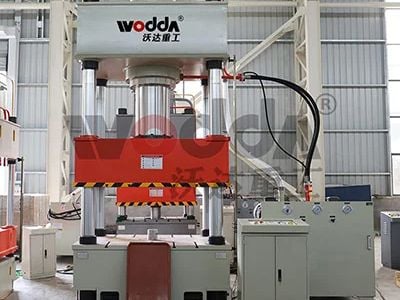
When embarking on bulk molding projects, selecting the right equipment is crucial, and the 4 Column Hydraulic Press is often a top choice for manufacturers. This buying guide aims to assist purchasing managers, engineers, and product managers in making informed decisions regarding this essential machinery. We will explore key specifications, cost factors, quality control measures, common issues, and industry applications to help you navigate the complexities of purchasing a hydraulic press tailored to your needs.
Key Specifications to Consider When Buying a Hydraulic Press
When evaluating a 4 Column Hydraulic Press, several key specifications should be closely examined to ensure it meets your operational requirements:
Load Capacity: This is one of the most critical specifications. It defines the maximum load the press can handle. Depending on your molding project, assess whether a standard load capacity suffices or if a custom solution is needed.
Stroke Length: The stroke length determines how far the ram can travel and is crucial for accommodating various mold sizes. Ensure that the stroke length aligns with your specific molding requirements.
Pressing Speed: Different applications may require varying press speeds. A faster pressing speed can enhance productivity but may affect the quality of the final product. Evaluate your production needs accordingly.
Control System: Modern 1000 ton hydraulic press come with advanced control systems, including PLC (Programmable Logic Controller) options for precise operation. Consider whether you need manual, semi-automatic, or fully automatic controls based on your operational setup.
Material Construction: The materials used in the construction of the press frame, beams, and other components significantly impact durability and maintenance needs. Look for robust materials that can withstand prolonged use in demanding environments.
Safety Features: Ensure the press is equipped with safety mechanisms to protect operators, such as emergency stops and overload protection systems. Compliance with safety regulations is a must.
Evaluating these specifications is essential to ensure the hydraulic press aligns with your production goals and operational efficiency.
Cost Factors for Wholesale Purchasing of Hydraulic Presses Explained
Understanding the cost factors involved in purchasing a 4 Column Hydraulic Press is vital for budget planning. Here are the primary considerations:
Initial Purchase Price: This includes the base cost of the machine, which varies based on specifications, features, and manufacturer. Obtaining quotes from multiple suppliers can help identify competitive pricing.
Customization Costs: If your project requires specific modifications, such as adaptations for different mold types or enhanced capabilities, factor in the additional costs associated with customization.
Shipping and Handling: Consider shipping costs, particularly if sourcing from international suppliers. This includes freight charges, customs duties, and insurance.
Installation and Training: Many manufacturers offer installation services. Additionally, training for operators is crucial for maximizing the press's capabilities and ensuring safe operation. These costs should be included in your budget.
Maintenance and Parts: Long-term costs include routine maintenance and potential replacement parts. Understanding the manufacturer's support for spare parts and service availability can provide insight into future expenses.
Operational Efficiency: While the initial cost is important, consider the energy consumption and operational efficiency of the press. A more efficient model may reduce long-term operating costs, making it a more economical choice over time.
By accounting for these cost factors, you can develop a comprehensive budget that supports your bulk molding projects effectively.
Evaluating Quality Control in Hydraulic Press Manufacturing
Quality control (QC) is a critical aspect of hydraulic press manufacturing, ensuring that the equipment operates reliably and meets safety standards. Here’s how to evaluate QC measures:
Certifications: Check for industry certifications such as ISO 9001 and CE marking. These certifications indicate that the manufacturer adheres to international quality standards and practices.
Manufacturing Process: Investigate the manufacturing processes employed by the supplier. A reputable manufacturer should use advanced techniques and technologies to ensure precision and consistency in production.
Material Quality: The quality of materials used directly impacts the durability and longevity of the press. Ask potential suppliers about their sourcing and quality assurance processes for raw materials.
Testing Procedures: Inquire about the testing procedures that machines undergo before being shipped. A thorough testing regime, including pressure testing and functionality checks, is essential for ensuring reliability.
After-Sales Support: Consider the level of after-sales support, including warranty terms and access to technical support. A manufacturer that offers robust support can help resolve any issues that may arise post-purchase.
By thoroughly evaluating these quality control aspects, you can ensure that the hydraulic press machine 1000 ton you choose not only meets your needs but also maintains consistent performance throughout its operational life.
Common Problems with Hydraulic Presses and Effective Solutions
Even the best hydraulic presses can encounter issues that may disrupt production. Understanding common problems and their solutions can prepare you for effective troubleshooting:
Hydraulic Fluid Leaks: Leaks can occur due to worn seals or damaged hoses. Regular maintenance and inspection are essential. If leaks are detected, promptly replace the faulty components and check fluid levels to prevent operational downtime.
Inconsistent Pressure: Fluctuations in pressure can impact product quality. This may stem from air in the hydraulic lines or a malfunctioning pump. Bleeding the hydraulic system to remove air and checking pump functionality can resolve these issues.
Electrical Failures: Problems with electrical components, such as the control panel or sensors, can halt operation. Establish a routine for checking electrical systems and ensure that operators are trained to recognize electrical issues early.
Excessive Noise or Vibration: Unusual noises or vibrations may indicate misalignment or mechanical wear. Regular inspections and maintenance can help identify and rectify these issues before they lead to more significant problems.
Overheating: If the hydraulic press overheats, it can lead to premature failure. Monitor operating temperatures and ensure that the cooling system functions correctly. Adequate fluid levels are also crucial.
By being aware of these common issues and the corresponding solutions, you can maintain operational efficiency and extend the lifespan of your hydraulic press.
Applications of 4 Column Hydraulic Presses in Various Industries
4 Column Hydraulic Presses are versatile machines utilized across multiple industries, thanks to their adaptability and efficiency. Here are some common applications:
Automotive Industry: In automotive manufacturing, hydraulic presses are used for forming and shaping metal parts, such as body panels and frames. Their ability to apply high pressure ensures precision and uniformity in production.
Sheet Metal Fabrication: These presses are essential for bending, punching, and cutting sheet metal. They provide the necessary force to achieve accurate shapes and dimensions, critical for various manufacturing processes.
Mining and Metallurgy: hydraulic press moulding machine play a significant role in the mining sector for compacting and shaping materials. In metallurgy, they are used for forging and shaping metal components, ensuring the structural integrity of final products.
Plastic Molding: In the production of plastic components, these presses are used for bulk molding processes, allowing for efficient shaping and forming of materials under heat and pressure.
Aerospace: The aerospace industry relies on high-precision components, and hydraulic presses are employed in the manufacturing of various parts, ensuring they meet stringent safety and performance standards.
By understanding the applications of 4 Column Hydraulic Presses across industries, buyers can better assess their specific needs and choose the right machine for their operational requirements.
Table of Contents
- Key Specifications to Consider When Buying a Hydraulic Press
- Cost Factors for Wholesale Purchasing of Hydraulic Presses Explained
- Evaluating Quality Control in Hydraulic Press Manufacturing
- Common Problems with Hydraulic Presses and Effective Solutions
- Applications of 4 Column Hydraulic Presses in Various Industries