 EN
 AR
 BG
 HR
 CS
 FR
 DE
 EL
 HI
 IT
 JA
 KO
 PT
 RO
 RU
 ES
 TL
 ID
 LV
 LT
 SR
 UK
 VI
 SQ
 TH
 TR
 MS
 MK
 HY
 AZ
 KA
 MN
 KK
 UZ
 KY
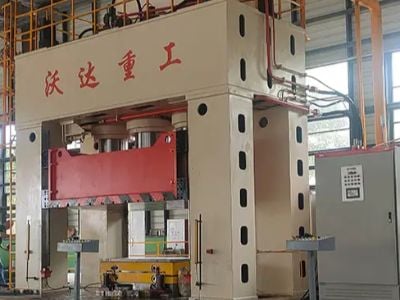
Investing in a frame hydraulic press is a significant decision for heavy industrial projects, impacting both operational efficiency and product quality. This article explores the key considerations when purchasing a frame hydraulic press, addressing common buyer concerns and providing insights into specifications, applications, and cost factors. Whether you are a purchasing manager or an engineer, understanding these aspects will help you make an informed decision that aligns with your project requirements.
Key Features for Buyers
When evaluating frame hydraulic presses, consider the following key features:
Load Capacity: The load capacity is crucial as it determines the maximum force the press can exert. Select a model that meets or exceeds your operational requirements to avoid underperformance.
Frame Structure: A robust frame structure, typically made from high-strength steel, is essential for stability and durability. The design should minimize flexing during operation, which can affect precision.
Hydraulic System: Look for frame hydraulic press equipped with reliable hydraulic systems that offer smooth operation and consistent performance. Features like adjustable pressure settings can enhance versatility for various applications.
Control Systems: Advanced control systems, including digital interfaces and programmable settings, can improve ease of use and precision. Evaluate whether the press offers features like automatic shut-off or safety interlocks.
Certifications and Compliance: Ensure that the hydraulic press meets industry standards and possesses necessary certifications, such as ISO9001 or CE marking, which guarantee quality and safety.
How to Choose the Right Frame Hydraulic Press for Your Projects
Selecting the right frame hydraulic press involves a thorough evaluation of your specific project needs. Start by defining the following parameters:
Application Requirements: Identify the materials you will be working with and the types of operations (e.g., forging, punching, straightening) you plan to perform. Different applications may require different specifications, such as pressure ratings and stroke lengths.
Size and Dimensions: Consider the footprint of the press and ensure it fits within your facility's layout. Additionally, the working area should accommodate the size of the components being processed.
Customization Needs: If your projects require specific modifications or configurations, check whether the manufacturer offers customization options. Tailored solutions can enhance efficiency and performance.
Budget Considerations: Align your choice with your budget constraints, but remember that the lowest price may not always represent the best value. Assess the total cost of ownership, which includes maintenance, operating costs, and potential downtime.
Supplier Reputation: Investigate the supplier's experience in the industry. A manufacturer with a strong track record in producing hydraulic presses and providing excellent customer support can be a valuable partner in your projects.
Top Applications for Frame Hydraulic Press in Heavy Industries
Frame hydraulic presses are versatile machines used across various heavy industries. Some common applications include:
Metal Forming: Frame hydraulic presses are widely used in metal forming processes, such as stamping, bending, and shearing. Their high force capabilities make them suitable for shaping metal sheets into desired forms.
Forging: In the forging industry, these presses are essential for shaping hot metal into specific designs. They provide the necessary force to deform materials, ensuring high precision and material integrity.
Assembly and Press-Fitting: Frame hydraulic presses facilitate the assembly of components through press-fitting operations, ensuring tight tolerances and secure connections.
Straightening: The presses are also employed in straightening bent or warped materials, restoring them to their original specifications for further processing.
Plastic Molding: In industries dealing with thermoplastics, frame hydraulic presses can be utilized for molding applications, allowing for the production of complex shapes and designs.
Cost Considerations for Purchasing Frame Hydraulic Presses
When budgeting for a auto hydraulic press machine, several cost factors must be considered:
Initial Purchase Price: This includes the base cost of the press, any additional features, and the cost of installation. Ensure you obtain detailed quotations from suppliers to compare offerings.
Operational Costs: Factor in the costs associated with running the machine, including energy consumption, hydraulic fluid, and maintenance. Energy-efficient models can significantly reduce long-term operational expenses.
Maintenance and Support: Regular maintenance is vital for ensuring longevity and performance. Consider the availability of spare parts and the manufacturer's support services. A robust warranty can also provide peace of mind.
Training and Integration: If your team requires training to operate the new press or if it needs to be integrated with existing systems, account for these costs in your budget.
Potential Downtime: Evaluate the potential impact of equipment failure on your operations. Investing in a high-quality, reliable machine can minimize downtime and associated costs.
Common Problems with Frame Hydraulic Presses and Solutions
While frame hydraulic presses are robust machines, they are not without their challenges. Here are some common problems and suggested solutions:
Oil Leaks: Hydraulic fluid leaks can lead to performance issues and safety hazards. Regularly inspect hoses and seals for wear and replace them as needed. Consider using high-quality hydraulic fluids that are less prone to leaks.
Pressure Fluctuations: Inconsistent pressure can affect production quality. Ensure the hydraulic system is properly maintained and calibrated. If pressure fluctuations persist, consult with the manufacturer for troubleshooting.
Mechanical Failure: Over time, wear and tear can lead to mechanical failures. Implement a routine maintenance schedule that includes inspections of critical components, such as cylinders and linkages, to identify and address issues before they escalate.
Operator Error: Misuse or lack of familiarity with the equipment can lead to operational problems. Provide comprehensive training to operators, ensuring they understand the machine's features and safety protocols.
Inadequate Safety Features: Safety should always be a priority. Ensure that the press is equipped with safety guards, emergency stops, and other safety features. Regularly review safety protocols and conduct drills to keep the team prepared.
By understanding these considerations and leveraging the expertise of a reputable manufacturer like Shandong Woda Heavy Machinery, you can navigate the complexities of purchasing a powered hydraulic press. This knowledge will empower you to make decisions that enhance productivity, safety, and product quality in your heavy industrial projects.