 EN
 AR
 BG
 HR
 CS
 FR
 DE
 EL
 HI
 IT
 JA
 KO
 PT
 RO
 RU
 ES
 TL
 ID
 LV
 LT
 SR
 UK
 VI
 SQ
 TH
 TR
 MS
 MK
 HY
 AZ
 KA
 MN
 KK
 UZ
 KY

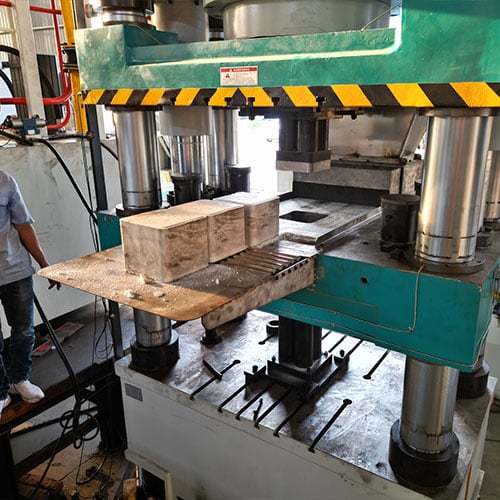
The heavy-duty frame hydraulic press is a crucial tool in the forging industry, enabling manufacturers to shape and form metals with precision and efficiency. With applications ranging from automotive components to heavy machinery parts, understanding the right hydraulic press for specific forging applications is vital for purchasing managers and engineers. This article will address key considerations when selecting a hydraulic press, specifications to evaluate, quality assessment methods, installation guidance, and the advantages of these machines in forging processes.
Choosing the Right Heavy Duty Frame Hydraulic Press for Forging Applications
Selecting the appropriate heavy-duty frame hydraulic press for forging applications involves several critical factors. First, consider the type of materials you will be working with, as different metals require varying tonnage and pressure levels for effective forging. For example, aluminum may require less pressure than steel, influencing the choice of press capacity.
Next, evaluate the press configuration. Hydraulic presses come in various designs, including 3-beam, 4-column, and C-frame structures. The 3-beam configuration can offer better stability and load distribution, making it suitable for large and heavy workpieces often encountered in the forging industry. Additionally, assess the machine's cycle times, as faster operations can enhance productivity.
Lastly, customization options should be examined. Many manufacturers, including Shandong Woda Heavy Machinery, offer tailor-made presses suited to specific applications or production requirements, which can significantly improve efficiency and output quality.
Key Specifications to Consider in Heavy Duty Hydraulic Presses
When evaluating heavy-duty hydraulic presses, specific technical specifications play a crucial role in determining their suitability for forging applications. Key specifications include:
Tonnage: The tonnage rating indicates the maximum force the hydraulic press can exert. It's essential to select a press with adequate tonnage for the materials being forged. A press with insufficient tonnage can lead to incomplete forging or material damage.
Stroke Length: This refers to the distance the ram travels during operation. A longer stroke length may be necessary for larger workpieces, while a shorter stroke can suffice for smaller components.
Speed: The operational speed of the hydraulic press affects overall efficiency. A faster cycle time can lead to increased production rates, but it is essential to balance speed with precision to avoid compromising the quality of the forged components.
Control Systems: Modern hydraulic presses may feature advanced control systems that allow for precise adjustments during operation. Look for options that offer programmable settings for various forging processes, enhancing usability and flexibility.
Material Construction: The frame and components should be made from high-quality materials that withstand high pressures and repeated use. Steel construction is common, but additional treatments may be necessary to prevent corrosion and wear.
Understanding these specifications ensures that the hydraulic press meets the operational demands of the forging process while maintaining performance and reliability.
How to Evaluate the Quality of Hydraulic Presses for Forging
Evaluating the quality of hydraulic pressing machine is essential for making an informed purchasing decision. Here are some strategies to consider:
Certification and Compliance: Check for relevant certifications, such as ISO9001 and CE marking, which indicate that the manufacturer adheres to international quality standards. This certification can provide assurance regarding the quality and safety of the equipment.
Manufacturer Reputation: Research the manufacturer’s track record in the industry. Companies like Shandong Woda Heavy Machinery, with experience and a strong customer base, often provide better reliability and service.
Quality Control Processes: Inquire about the manufacturer's quality control measures throughout the production process. Understanding their inspection methods and testing protocols can provide insights into the consistency and reliability of the hydraulic presses.
User Reviews and Case Studies: Look for testimonials from existing users or case studies that illustrate the press's performance in real-world applications. This feedback can highlight any potential issues and the machine's overall effectiveness.
Service and Support: Evaluate the manufacturer's after-sales service and support offerings. A strong support system can significantly impact the long-term operation and maintenance of the hydraulic press.
Installation Guidance for Heavy Duty Frame Hydraulic Presses
Proper installation of heavy-duty frame hydraulic presses is critical for their optimal performance. Here are essential steps and considerations:
Site Preparation: Ensure that the installation area is suitably prepared, with adequate space for the press and associated equipment. The foundation should be robust enough to support the press’s weight and provide stability during operation.
Alignment and Leveling: When positioning the press, ensure it is correctly aligned and leveled to prevent operational issues and enhance accuracy during forging. Misalignment can lead to uneven wear and potential machine failure.
Electrical and Hydraulic Connections: Follow the manufacturer's specifications for connecting electrical and hydraulic systems. Proper installation of hydraulic lines and electrical wiring is crucial to ensure safe and efficient operation.
Testing Before Use: After installation, conduct thorough testing to confirm that all systems function correctly. This includes checking pressure levels, cycle times, and overall operation before commencing production.
Training Operators: Ensure that operators are trained on the specific hydraulic press model. Familiarization with controls, safety features, and maintenance practices is essential for safe and efficient use.
Understanding Material Advantages of Heavy Duty Hydraulic Presses
The materials used in the construction of heavy-duty hydraulic presses greatly influence their performance and durability in the forging industry. Here are some key material advantages to consider:
Structural Steel: Many auto hydraulic press machine are constructed from high-strength structural steel, providing the necessary rigidity and resistance to deformation under heavy loads. This ensures reliable performance over time.
Corrosion Resistance: Depending on the application, additional coatings or treatments may be applied to prevent corrosion. This is particularly important in environments where moisture or chemicals are present, as these factors can degrade the press’s components.
Heat Treatment: Components subjected to high stress may undergo heat treatment processes to enhance their toughness and wear resistance. This can significantly extend the lifespan of the press and reduce maintenance costs.
Standardization vs. Customization: While standard materials are often used in hydraulic press construction, customization options should also be considered. Certain applications may require specialized materials for specific performance characteristics, such as higher heat resistance or lighter weight.
By understanding these material advantages, purchasing managers can make informed decisions that align with their specific operational requirements and enhance the overall efficiency of their forging processes.
Table of Contents
- Choosing the Right Heavy Duty Frame Hydraulic Press for Forging Applications
- Key Specifications to Consider in Heavy Duty Hydraulic Presses
- How to Evaluate the Quality of Hydraulic Presses for Forging
- Installation Guidance for Heavy Duty Frame Hydraulic Presses
- Understanding Material Advantages of Heavy Duty Hydraulic Presses