 EN
 AR
 BG
 HR
 CS
 FR
 DE
 EL
 HI
 IT
 JA
 KO
 PT
 RO
 RU
 ES
 TL
 ID
 LV
 LT
 SR
 UK
 VI
 SQ
 TH
 TR
 MS
 MK
 HY
 AZ
 KA
 MN
 KK
 UZ
 KY

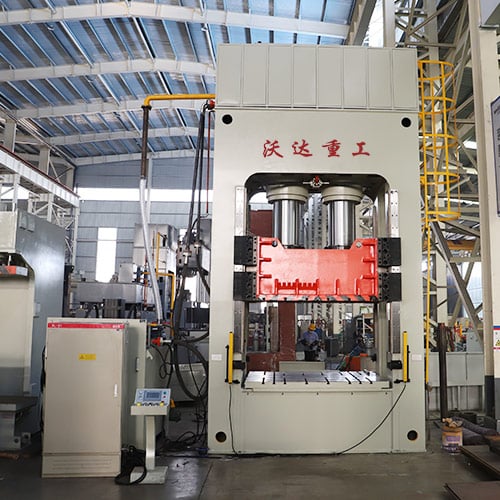
A frame hydraulic press for large workpiece compression and molding production is an essential machine tool in various industrial applications, particularly in sectors such as automotive, metallurgy, and sheet metal fabrication. These presses are designed to apply significant force to large components, ensuring precise molding and compression. As a B2B buyer, you may have specific concerns regarding specifications, quality, and supplier reliability. This article aims to provide practical insights to help you make informed decisions when selecting and purchasing frame hydraulic presses.
How to Choose a Frame Hydraulic Press for Large Workpiece Needs
When selecting a frame hydraulic press, it is crucial to consider the specific requirements of your application. Key factors include the maximum load capacity, the dimensions of the workpiece, and the intended production volume. Frame hydraulic press are available in various configurations, such as 3-beam or 4-column designs, which can influence their stability and ability to handle large workpieces.
You should also evaluate the hydraulic system's specifications, including pressure ratings, as these directly affect the machine's performance. The appropriate pressure level depends on the material being processed and the desired molding precision. Additionally, consider the press's cycle time, which can impact production efficiency. A faster cycle time can lead to higher throughput, but it must be balanced with the quality of the output.
Wholesale Purchasing Guide for Frame Hydraulic Presses
When planning a wholesale purchase of frame hydraulic presses, it is important to gather all relevant specifications and requirements. Buyers should prepare a detailed request for quotation (RFQ) that includes information such as the desired model, dimensions, material specifications, and quantity.
Check the manufacturer's minimum order quantity (MOQ) and production lead time, as these factors can significantly affect your purchasing schedule. In addition, inquire about customization options, such as modifications to the press design or additional features that may enhance functionality.
Make sure to assess the supplier's quality assurance processes. Certifications like ISO9001 and CE compliance can indicate adherence to international quality standards. A reputable supplier should provide documentation of these certifications and be willing to discuss their quality control measures.
Comparing Frame Hydraulic Presses for Molding Production
When comparing different frame auto hydraulic press for molding production, consider several critical specifications. The first is the press's maximum tonnage, which indicates its capacity to compress large workpieces effectively. Higher tonnage usually correlates with greater force, making it suitable for denser materials.
You should also evaluate the frame's construction materials and design. A robust frame, often made from high-strength steel, enhances machine durability and minimizes deformation under heavy loads. Additionally, investigate the hydraulic system's design, including the type of hydraulic fluid used and the efficiency of the pump, as these factors can affect operational costs and maintenance needs.
Another important aspect is the machine's compatibility with different molds. Make sure the press can accommodate the specific mold designs you intend to use, as this can influence production flexibility. Lastly, review user feedback and case studies to gauge the performance of different models in real-world applications.
Evaluating Quality Control in Frame Hydraulic Press Manufacturing
Quality control is a vital aspect of frame hydraulic press manufacturing. Buyers should be aware of the specific quality assurance practices a manufacturer employs. Look for details on their testing procedures, including load testing, accuracy checks, and operational performance evaluations.
Understanding the manufacturing process is also crucial. A manufacturer that utilizes advanced machining and assembly techniques is likely to produce higher-quality presses. Additionally, inquire about their inspection protocols at various production stages to ensure consistent quality throughout the manufacturing process.
Documentation is another important component of quality assurance. Ensure that the supplier provides a comprehensive quality control report upon delivery, detailing the inspection results and any certifications related to the press's performance.
Where to Source Reliable Suppliers for Frame Hydraulic Presses
Sourcing reliable suppliers for frame hydraulic presses typically involves a combination of research and networking. Start by identifying manufacturers with a strong reputation in the industry, such as Shandong Woda Heavy Machinery, known for its focus on research and development, production, and service of large and medium forging machine tools.
Industry trade shows and exhibitions can be excellent venues for meeting potential suppliers and assessing their products firsthand. Engaging with industry associations and forums can also provide insights into reputable manufacturers.
When evaluating potential suppliers, consider their experience in exporting to your region and their ability to meet international standards. Request references from other buyers to gauge their satisfaction levels regarding product quality, customer service, and delivery timelines.
In summary, understanding the specifications and quality standards of frame hydraulic presses, along with diligent supplier evaluation, will help you secure a reliable machine that meets your production needs.
Table of Contents
- How to Choose a Frame Hydraulic Press for Large Workpiece Needs
- Wholesale Purchasing Guide for Frame Hydraulic Presses
- Comparing Frame Hydraulic Presses for Molding Production
- Evaluating Quality Control in Frame Hydraulic Press Manufacturing
- Where to Source Reliable Suppliers for Frame Hydraulic Presses