 EN
 AR
 BG
 HR
 CS
 FR
 DE
 EL
 HI
 IT
 JA
 KO
 PT
 RO
 RU
 ES
 TL
 ID
 LV
 LT
 SR
 UK
 VI
 SQ
 TH
 TR
 MS
 MK
 HY
 AZ
 KA
 MN
 KK
 UZ
 KY

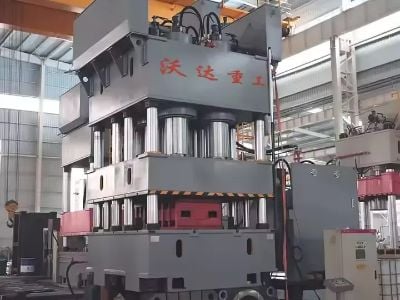
Frame hydraulic presses are essential machines in the manufacturing and industrial sectors, widely used for tasks such as metal forming, stamping, and assembly. Understanding the various frame hydraulic press structure types and their load capacities is crucial for purchasing managers and engineers tasked with selecting the right equipment for their projects. This article will help you grasp the key considerations in choosing a auto hydraulic press, including specifications, load capacities, installation guidance, and procurement considerations ensuring you make informed decisions for your manufacturing needs.
How to Choose the Right Frame Hydraulic Press for Your Project Needs?
Selecting the right frame hydraulic press begins with understanding your specific project requirements. Consider the type of materials you'll be working with, the desired production volume, and the nature of the tasks (forging, stamping, or bending). Frame hydraulic presses come in various designs, including 3-beam, 4-column, and C-frame structures, each suited for different applications.
For instance, a 4-column hydraulic press provides stable support for heavy loads and is ideal for precision tasks, while a 3-beam design often offers greater strength and rigidity for high-pressure applications. Additionally, assess the machine's load capacity, which typically ranges from a few tons to several hundred tons, depending on your project needs.
Lastly, confirm any customization options, such as modifications to the machine’s size or features, that can better align the equipment with your production goals.
Key Specifications to Evaluate When Sourcing Hydraulic Presses
When sourcing hydraulic presses, several key specifications should be evaluated to ensure the machine meets your operational requirements.
Load Capacity: The load capacity indicates how much weight the press can handle and is a critical specification. Make sure to choose a press with a load capacity that comfortably exceeds your maximum anticipated load to prevent operational failures.
Stroke Length: This refers to how far the ram can travel. A longer stroke length allows for more versatile applications, especially in deep drawing processes. Consider the materials' dimensions and the intended operations to determine the necessary stroke length.
Pressure Rating: Hydraulic presses operate under varying pressure levels, typically measured in tons. Ensure the pressure rating aligns with your processing needs, as insufficient pressure can lead to incomplete forming or deformation of materials.
Structure Type: Depending on the manufacturing environment, the structure type can greatly affect the press's performance. A rigid structure minimizes flexing and vibration, leading to better precision and longer machine life.
Safety Features: Look for integrated safety mechanisms such as emergency stops, pressure relief valves, and protective guards to ensure safe operation in a busy industrial setting.
Understanding these specifications will help you communicate your requirements effectively to suppliers and prevent misalignment between the press's capabilities and your operational needs.
Comparing Load Capacities of Different Hydraulic Press Structures
Load capacity is a fundamental factor when comparing different hydraulic press structures. Generally, the load capacities of frame hydraulic presses can vary significantly based on the structural design and intended application.
3-Beam Hydraulic Presses: Known for their robust design, 3-beam presses can handle substantial loads, making them suitable for heavy-duty applications, including large-scale forging operations. Their design allows for even distribution of force, reducing the risk of structural failure.
4-Column Hydraulic Presses: These presses typically offer a good balance between load capacity and precision. They are ideal for medium to heavy-duty applications, providing excellent stability during operation due to their symmetrical design. The capacity can range from 50 tons to over 500 tons, depending on the model.
C-Frame Hydraulic Presses: While generally having lower load capacities compared to their 3-beam and 4-column counterparts, C-frame presses are often used for lighter applications, such as assembly and light punching. They are designed for easy loading and unloading, which can improve operational efficiency.
When evaluating load capacities, consider not just the maximum load but also the operational cycle and how often the press will reach its capacity. Analyzing your production requirements will guide you in selecting the most suitable structure type.
Installation Guidance for Frame Hydraulic Press Systems in Industrial Use
Proper installation of frame hydraulic press systems is crucial for safe and efficient operation. Here are some key considerations during the installation phase:
Site Preparation: Ensure the installation area is level and can support the press's weight. The floor should be capable of bearing the load and have adequate space for maintenance access.
Electrical and Hydraulic Connections: Confirm that electrical power and hydraulic lines are appropriately set up. Utilize qualified personnel for these connections to ensure compliance with safety standards and operational efficiency.
Alignment: Proper alignment of the press is critical to avoid operational issues. Use precision tools to align the press components, ensuring that the ram travels straight and does not bind during operation.
Calibration: After installation, calibrate the machine according to the manufacturer's specifications. This includes setting the pressure levels, stroke limits, and safety features to ensure the machine operates within its designed parameters.
Training: Ensure that operators are well-trained in the use of the hydraulic pressing machine, including safety protocols and maintenance routines. This training can significantly reduce the risk of accidents and enhance machine longevity.
By adhering to these installation guidelines, you can ensure that your hydraulic press operates effectively and safely within your industrial setting.
Bulk Order Considerations for Wholesale Hydraulic Press Purchases
When planning to purchase hydraulic presses in bulk, there are several factors to consider that can affect pricing, delivery, and overall satisfaction with the order.
Minimum Order Quantity (MOQ): Understand the manufacturer's MOQ policies, as this can impact your budget and inventory management. Some manufacturers may offer better pricing for larger orders, so it's worth discussing your needs upfront.
Lead Time: Bulk orders may have different lead times compared to single unit purchases. Clarify production timelines with suppliers to ensure that your order aligns with your operational schedules.
Customization Options: If your project requires specific features or modifications, confirm the manufacturer's ability to accommodate these needs in bulk orders. Customization can sometimes affect lead times and pricing, so it’s essential to discuss these requirements early in the process.
Quality Assurance: For bulk orders, establish clear quality control measures to ensure consistency across all units. Discuss inspection processes with the manufacturer, including whether they provide samples for approval before full production.
Shipping and Logistics: Consider the shipping arrangements for bulk orders, including costs, delivery methods, and any potential customs issues if importing from international suppliers. Ensure that the logistics align with your project's timeline and budget.
By addressing these considerations, you can optimize your purchasing process, ensuring you receive the right hydraulic press automatic for your needs while maintaining cost-effectiveness and operational efficiency.
Table of Contents
- How to Choose the Right Frame Hydraulic Press for Your Project Needs?
- Key Specifications to Evaluate When Sourcing Hydraulic Presses
- Comparing Load Capacities of Different Hydraulic Press Structures
- Installation Guidance for Frame Hydraulic Press Systems in Industrial Use
- Bulk Order Considerations for Wholesale Hydraulic Press Purchases