 EN
 AR
 BG
 HR
 CS
 FR
 DE
 EL
 HI
 IT
 JA
 KO
 PT
 RO
 RU
 ES
 TL
 ID
 LV
 LT
 SR
 UK
 VI
 SQ
 TH
 TR
 MS
 MK
 HY
 AZ
 KA
 MN
 KK
 UZ
 KY

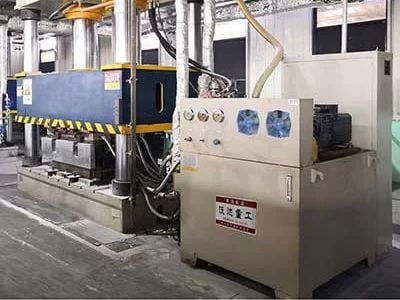
Fiberglass press machines are essential for the mass production of FRP (Fiber-Reinforced Polymer) composite products. These machines enable manufacturers to efficiently shape and mold fiberglass materials into various components used across industries such as automotive, construction, and aerospace. As a potential buyer, understanding the specifications, costs, common issues, and installation needs of fiberglass press machine is crucial for making informed purchasing decisions. This article will provide comprehensive insights into fiberglass press machines for FRP composite product mass production, helping you navigate your options effectively.
Key Specifications of Fiberglass Press Machines for FRP Manufacturing
When selecting a fiberglass press machine, several key specifications should be considered:
Press Capacity: The machine's capacity is crucial for determining how much material can be processed at a time. For large-scale production, machines with higher tonnage ratings are recommended to withstand the forces required for molding fiberglass.
Heating System: The type of heating system whether electric or hydraulic can affect curing times and energy efficiency. Electric systems often provide more consistent heat, while hydraulic systems can offer faster response times.
Mold Size and Configuration: The press machine 1000 ton dimensions and configuration of molds significantly influence the machine's versatility. Customizable molds might be necessary for specialized applications, while standard molds can suffice for more generic products.
Control Systems: Advanced control systems enhance precision in operations, allowing for better monitoring of temperature and pressure during production. Automated controls can also improve efficiency and reduce labor costs.
Material Compatibility: Ensure that the press machine is compatible with the specific types of fiberglass or composite materials you intend to use. This includes checking for any limitations on material thickness or type.
Understanding these specifications will help you choose a fiberglass press machine that aligns with your production requirements and operational efficiency.
Reliable Suppliers for Fiberglass Press Machines
Finding a reliable supplier for fiberglass press machines is essential for ensuring quality and support. Look for manufacturers with:
Certifications: Suppliers should have relevant certifications such as ISO9001 and CE, which indicate adherence to quality management standards and European safety regulations.
Industry Experience: Opt for suppliers with significant experience in manufacturing and servicing fiberglass press machines. Those with a proven track record in the industry can provide insights into best practices and potential pitfalls.
Customer Support: Good suppliers offer robust customer support, including installation guidance, training, and spare parts availability. Evaluate the supplier's responsiveness and willingness to assist after the sale.
Positive References: Seek testimonials or case studies from existing customers to understand their experiences with the supplier's equipment and service quality.
Choosing a reputable supplier can significantly impact the longevity and efficiency of your production processes.
Comparing Costs of Fiberglass Press Machines for Bulk Orders
Cost is a critical factor when considering fiberglass press machines for mass production. Several components can influence pricing:
Machine Specifications: High-capacity machines with advanced features generally come at a higher price. Customizations may also add to the cost, so it’s essential to balance your needs with your budget.
Quantity Discounts: Many manufacturers offer discounts for bulk orders. It’s beneficial to discuss potential pricing structures with suppliers when considering larger purchases.
Shipping and Installation Costs: Factor in shipping costs, which can vary based on destination and weight. Additionally, consider installation costs; some suppliers may include this in the purchase price, while others may charge separately.
Maintenance and Operating Costs: Understand the long-term costs associated with operating the machines, including energy consumption, wear and tear, and regular maintenance. An initially lower-priced machine may lead to higher operational expenses over time.
By carefully evaluating these factors, you can make a more informed decision that aligns with your overall budget and production goals.
Common Problems with Fiberglass Press Machines and Their Solutions
Like any industrial machinery, fiberglass press machines can encounter issues that may disrupt production. Here are some common problems and their solutions:
Inconsistent Pressure: This can lead to defects in the molded products. Regular calibration and maintenance of hydraulic systems can help ensure consistent pressure throughout the production cycle.
Overheating: Machines that overheat can cause material degradation and production delays. Ensure the cooling systems are functioning correctly and that operators monitor temperature settings closely.
Mold Damage: Frequent use can lead to wear and tear on molds. Regular inspections and appropriate maintenance can extend the life of molds. Additionally, using proper releasing agents can minimize damage during the demolding process.
Material Compatibility Issues: If the machine is not compatible with the hydraulic press machine 1000 ton selected fiberglass or resin, it may lead to poor quality outputs. Always verify material compatibility with the supplier before production.
By being aware of these potential issues and implementing proactive measures, manufacturers can minimize downtime and maximize productivity.
Installation Guidance for Your Fiberglass Press Machine Setup
Proper installation of a fiberglass press machine is critical for optimal operation. Here are key considerations:
Site Preparation: Ensure that the installation area is adequately prepared, including sufficient space for the machine and any ancillary equipment. Consider access for maintenance and operators.
Power Supply: Verify that the electrical supply meets the machine's requirements. An insufficient power supply can lead to operational inefficiencies or even equipment damage.
Foundation Requirements: The machine should be installed on a stable foundation that minimizes vibration, which can affect precision and longevity. Consult the manufacturer for specific foundation recommendations.
Training: Operators should receive comprehensive training on the machine's operation, safety protocols, and maintenance requirements. Proper training can significantly reduce the risk of operational errors and accidents.
Following these guidelines will ensure a smooth installation process and contribute to the machine's performance and durability. By understanding the specifications, costs, potential issues, and installation requirements of fiberglass press machines, B2B buyers can make informed decisions that will enhance their production capabilities in the manufacturing of FRP composite products.
Table of Contents
- Key Specifications of Fiberglass Press Machines for FRP Manufacturing
- Reliable Suppliers for Fiberglass Press Machines
- Comparing Costs of Fiberglass Press Machines for Bulk Orders
- Common Problems with Fiberglass Press Machines and Their Solutions
- Installation Guidance for Your Fiberglass Press Machine Setup