 EN
 AR
 BG
 HR
 CS
 FR
 DE
 EL
 HI
 IT
 JA
 KO
 PT
 RO
 RU
 ES
 TL
 ID
 LV
 LT
 SR
 UK
 VI
 SQ
 TH
 TR
 MS
 MK
 HY
 AZ
 KA
 MN
 KK
 UZ
 KY

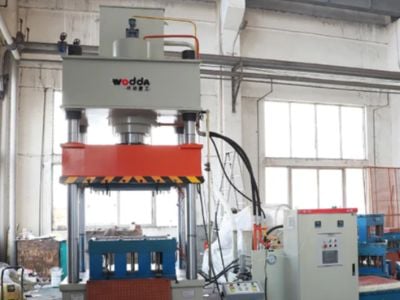
In the manufacturing of fiberglass reinforced plastic (FRP) components, a fiberglass press machine is essential for producing high-quality FRP panels and shell moldings. These machines streamline the molding process, ensuring consistent results in various applications ranging from automotive parts to construction materials. For B2B buyers, understanding the key features, costs, installation, common challenges, and applications of fiberglass press machines is critical for making informed purchasing decisions. This article will provide valuable insights tailored to purchasing managers, engineers, and product managers involved in selecting and operating fiberglass press machines.
What to Consider When Choosing a Fiberglass Press Machine for Molding
When selecting a fiberglass press machine for molding FRP panels and shell components, several factors should be taken into account to ensure optimal performance and output. Key considerations include:
Machine Specifications: Evaluate the machine's dimensions, weight capacity, and pressure ratings. Ensure that the specifications align with your production requirements and the type of FRP materials you plan to use. For instance, a machine with a higher tonnage capacity may be necessary for thicker materials or complex shapes.
Molding Technology: Different machines utilize various molding techniques, such as compression molding or vacuum forming. Understanding these technologies will help you choose one that best suits your application. Compression molding, for instance, is often favored for its efficiency and ability to produce intricate shapes.
Control Systems: Advanced control systems can enhance precision and reduce production errors. Look for machines with user-friendly interfaces, programmable settings, and real-time monitoring capabilities to improve operational efficiency.
Customization Options: Depending on your production needs, consider whether the machine can be customized. Custom molds and adjustments can significantly affect the quality of the final product.
Supplier Reputation: Partnering with a reputable manufacturer like Shandong Woda Heavy Machinery, which has industry certifications and experience, can ensure you receive a reliable machine that meets quality standards.
How to Compare Costs of Fiberglass Press Machines for Bulk Orders
Cost comparison is critical when evaluating fiberglass press machines, especially for bulk orders. Here are some factors to consider:
Base Price vs. Total Cost of Ownership: Analyze the base price of the machines but also consider total ownership costs, including maintenance, energy consumption, and potential downtime. A lower initial price might lead to higher operational costs if the machine is inefficient or requires frequent repairs.
Bulk Order Discounts: Many manufacturers offer discounts for bulk purchases. Be sure to inquire about pricing tiers based on quantity, as this can significantly affect your overall budget.
Financing Options: Some suppliers provide financing plans or leasing options, which can help manage cash flow while acquiring necessary machinery. Compare these financial solutions as part of your cost analysis.
Warranty and Support Services: Assess the warranty period and the availability of after-sales services. A robust support system can reduce costs related to machine downtime and repairs.
Shipping and Installation Costs: Don’t forget to factor in shipping, installation, and setup costs, which can vary significantly between suppliers. Ensure you have a clear understanding of all associated costs before making a decision.
Installation Guidance for Optimal Use of Fiberglass Press Machines
Proper installation of fiberglass 1000 ton press machine is crucial for maximizing efficiency and product quality. Follow these guidelines to ensure optimal setup:
Site Preparation: Ensure that the installation site has sufficient space, stability, and accessibility. The flooring must support the weight of the machine, and adequate power supply should be available.
Alignment and Calibration: During installation, it’s essential to align the machine accurately and calibrate all settings according to the manufacturer's specifications. This step helps avoid operational issues and ensures the machine performs as intended.
Safety Protocols: Implement safety measures during installation, including proper training for operators and adherence to safety regulations. Familiarize all personnel with emergency shut-off procedures and safe operating practices.
Testing and Training: After installation, conduct initial tests to ensure the machine is functioning correctly. Provide training for operators on the specific features and controls of the machine to enhance efficiency and safety.
Documentation: Maintain thorough documentation of the installation process, including any adjustments made and operational guidelines. This information can be invaluable for troubleshooting and future maintenance.
Common Problems in FRP Panel Production and Effective Solutions
Producing FRP panels can present several challenges. Understanding these common issues and their solutions can enhance production efficiency:
Inconsistent Quality: Variations in material properties can lead to inconsistent panel quality. To mitigate this, ensure that raw materials meet specified standards and conduct regular quality checks throughout the production process.
Mold Fill Issues: Inadequate mold filling can cause defects. This can often be resolved by optimizing the material's viscosity and adjusting the pressure settings on the machine to ensure proper flow and fill.
Curing Problems: Improper curing can result in weak panels. Ensure that the curing process, including temperature and time, is closely monitored and adjusted as needed based on the specific resin and hardener used.
Surface Defects: Issues such as bubbles or surface blemishes can arise during production. Implementing vacuum techniques and ensuring proper mold preparation can help eliminate these defects.
Machine Downtime: Frequent breakdowns can hinder production. Regular maintenance and timely inspections of machinery can prevent unexpected failures, ensuring continuous operation.
Applications of Fiberglass Press Machines in Various Industries
Fiberglass press machines are versatile and find applications across multiple industries. Understanding where these machines can be effectively utilized can inform purchasing decisions:
Automotive Industry: In automotive manufacturing, fiberglass press machines are used to produce lightweight components such as body panels and interior parts. Their ability to create complex shapes with high strength-to-weight ratios is particularly advantageous in this sector.
Construction Materials: These machines are integral in producing FRP panels for construction applications, including roofing, cladding, and insulation. Their durability and resistance to environmental factors make them suitable for building materials.
Marine Applications: The marine industry utilizes fiberglass auto hydraulic press machine to create hulls and other components that require water-resistant and lightweight materials, enhancing vessel performance and fuel efficiency.
Aerospace: In aerospace manufacturing, the lightweight properties of FRP components produced by fiberglass press machines contribute to fuel efficiency and overall performance of aircraft.
Consumer Goods: Various consumer products, from sports equipment to household items, benefit from the precision and customization capabilities of fiberglass press machines, allowing manufacturers to meet specific consumer demands.
By understanding the diverse applications of fiberglass press machines, buyers can make informed decisions that align with their production goals and market needs.
Table of Contents
- What to Consider When Choosing a Fiberglass Press Machine for Molding
- How to Compare Costs of Fiberglass Press Machines for Bulk Orders
- Installation Guidance for Optimal Use of Fiberglass Press Machines
- Common Problems in FRP Panel Production and Effective Solutions
- Applications of Fiberglass Press Machines in Various Industries