 EN
 AR
 BG
 HR
 CS
 FR
 DE
 EL
 HI
 IT
 JA
 KO
 PT
 RO
 RU
 ES
 TL
 ID
 LV
 LT
 SR
 UK
 VI
 SQ
 TH
 TR
 MS
 MK
 HY
 AZ
 KA
 MN
 KK
 UZ
 KY

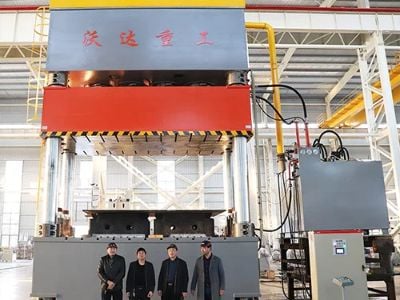
The fiberglass press machine is essential for the FRP (Fiberglass Reinforced Plastic) compression molding process, which is widely used in the manufacturing of durable and lightweight components across various industries. Understanding the fiberglass press machine machine working process is crucial for purchasing managers, engineers, and product managers who need to make informed decisions about equipment that meets their specific production requirements. This article will delve into the key considerations for selecting a fiberglass press machine, evaluating its quality, addressing common issues in FRP molding, and providing installation and cost factors to consider.
How to Choose the Right Fiberglass Press Machine for Your Needs?
Selecting the appropriate fiberglass press machine is a critical decision that directly impacts your production efficiency and product quality. Consider the following factors:
Production Capacity: Assess your production volume requirements. Machines come in various sizes and capacities, so determine the maximum load and cycle times your project demands.
Specifications: Look for machines that offer adjustable pressure settings to accommodate different materials and thicknesses. Understanding the specific requirements of your FRP components will guide you in choosing a machine with the right specifications.
Material Compatibility: Ensure that the press machine is compatible with the types of resins and fiberglass materials you intend to use. This compatibility is vital for achieving optimal results in molding.
Customization Options: Some manufacturers offer customizable features tailored to specific applications. This can include modifications to accommodate particular molds or improved automation features.
Supplier Expertise: Opt for suppliers with a solid background in manufacturing hydraulic press machine 500 ton. Companies with proven experience, like Shandong Woda Heavy Machinery, can provide valuable insights and support throughout the purchasing process.
Evaluating the Quality of Fiberglass Press Machines in Production
Quality evaluation is crucial for ensuring that the fiberglass press machine meets your production standards. Here are key aspects to consider:
Build Quality: Inspect the materials used in the construction of the machine. High-quality steel or alloy frames contribute to durability and stability during operation.
Certifications: Verify that the machine complies with industry standards, such as ISO9001 and CE certifications. These certifications indicate adherence to quality management and safety regulations.
Performance Testing: Request performance data from the supplier, including test results for pressure consistency and cycle times. This information can help you assess the machine's reliability and efficiency.
Customer Feedback: Seek out reviews and testimonials from other users to gauge their satisfaction with the machine's performance and the supplier's support services.
Maintenance Requirements: Understand the maintenance protocols needed to keep the machine running smoothly. Machines with simpler maintenance routines can reduce downtime and overall operating costs.
Common Problems in FRP Compression Molding and Their Solutions
While fiberglass press machines are effective, common issues can arise during the FRP compression molding process. Here are some challenges and their solutions:
Inconsistent Pressure Distribution: Uneven pressure can lead to defects in molded parts. To mitigate this, ensure proper mold alignment and consider investing in machines with advanced pressure distribution features.
Material Incompatibility: Using incorrect resin or fiberglass types can result in poor bonding. Always verify that the materials align with the machine's specifications and intended application.
Temperature Control Issues: Maintaining consistent temperatures is vital for optimal curing. Implement temperature monitoring systems and choose machines equipped with reliable heating elements to avoid overheating or under-curing.
Defects in Finished Products: Common defects include bubbles, voids, or surface imperfections. Conduct regular quality checks during production and adjust parameters based on real-time data to minimize these issues.
Machine Downtime: Downtime can significantly affect productivity. Establish a preventive maintenance schedule to address potential wear and tear and ensure the machine remains in optimal working condition.
Installation Guidance for Your Fiberglass Press Machine
Proper installation of your fiberglass press machine is essential for maximizing its performance and lifespan. Follow these guidelines:
Site Preparation: Ensure the installation site meets the machine's requirements, including adequate space, power supply, and ventilation. A clean, organized workspace can facilitate efficient operation.
Alignment and Calibration: During installation, ensure that the machine is level and correctly aligned. Calibration should be performed according to the manufacturer’s specifications to guarantee accurate pressure and temperature settings.
Safety Protocols: Adhere to all safety protocols outlined by the manufacturer. This includes installing safety guards and ensuring operators are trained in safe operating procedures.
Initial Testing: After installation, conduct initial testing with the machine to verify its operation. Run a few cycles with the intended materials to ensure everything functions as expected before commencing full production.
Documentation: Keep detailed records of the installation process and any adjustments made. This documentation will be valuable for future maintenance and troubleshooting.
Cost Factors to Consider When Sourcing Fiberglass Press Machines
When sourcing fiberglass press machines, several cost factors come into play:
Initial Purchase Price: Evaluate the upfront cost of the machine. While lower prices may be tempting, consider long-term value, including durability and efficiency.
Operational Costs: Assess the machine's energy consumption and maintenance needs. Machines with higher operational efficiency can lead to significant savings over time.
Customization Costs: If you require specific features or modifications, factor in the additional costs associated with customization. Detailed specifications will help in obtaining accurate quotes.
Shipping and Installation: Include shipping costs and potential installation fees in your budget. Ensure that the supplier provides comprehensive support during the installation process.
Return on Investment (ROI): Analyze the potential ROI based on your production needs and machine capabilities. A higher-quality machine may offer better ROI through increased productivity and reduced defect rates.
By understanding these key components related to the hydraulic pressing machine working process for FRP compression molding, buyers can make informed decisions that align with their operational goals and requirements.
Table of Contents
- How to Choose the Right Fiberglass Press Machine for Your Needs?
- Evaluating the Quality of Fiberglass Press Machines in Production
- Common Problems in FRP Compression Molding and Their Solutions
- Installation Guidance for Your Fiberglass Press Machine
- Cost Factors to Consider When Sourcing Fiberglass Press Machines