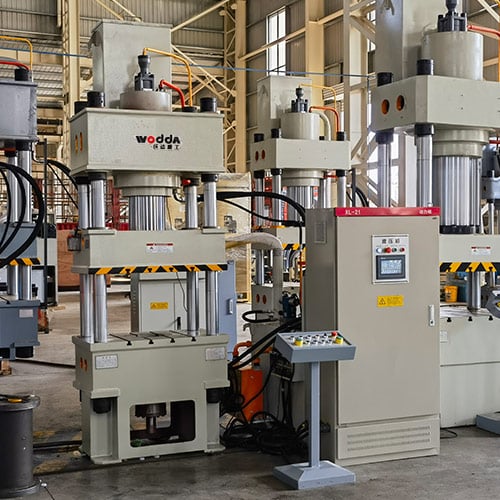
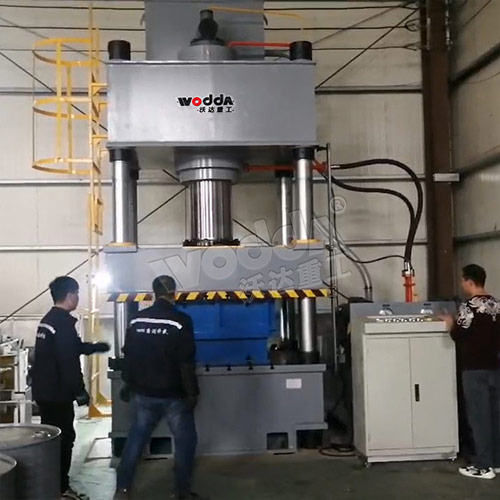
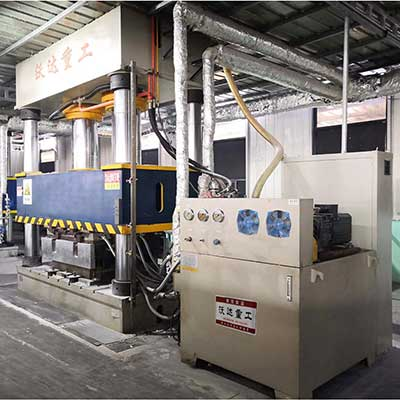
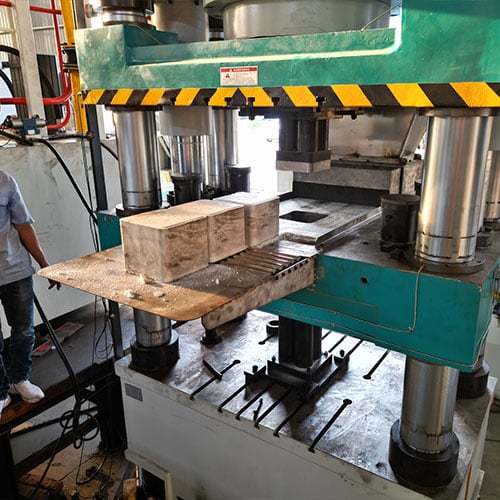
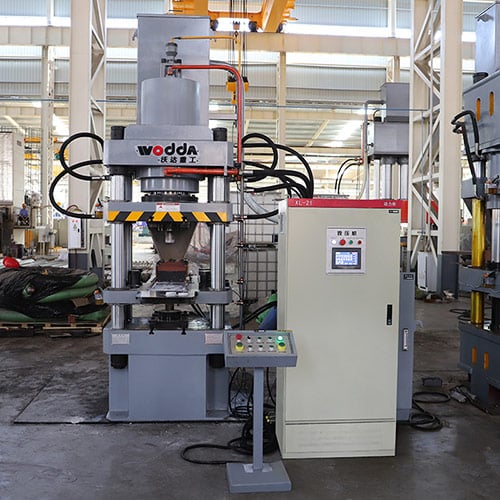
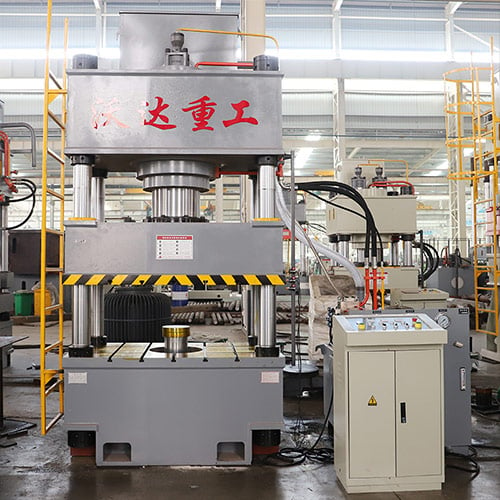
When sourcing a hydroforming press, buyers must navigate various technical specifications, operational requirements, and industry applications. A hydroforming press uses hydraulic pressure to shape materials, primarily metals, into specific forms, making it a critical tool in manufacturing sectors such as automotive, aerospace, and industrial equipment. Understanding the nuances of these machines will help purchasing managers, engineers, and product managers make informed decisions, ensuring they select the right equipment to meet their production needs efficiently.
When selecting a hydroforming press for bulk orders, several key factors must be considered. First, the intended application will dictate the specifications required. For instance, the material type and thickness will influence the press's hydraulic capacity and tooling. Buyers should assess whether the press can handle the specific materials they intend to work with, such as aluminum, steel, or composite materials. Additionally, if you are looking for a robust solution for heavy-duty applications, consider the 3000 tons steel door embossing machine which is designed for high performance.
Another crucial consideration is the press's size and configuration. Hydroforming presses come in various configurations, including 3-beam and 4-column designs, which can affect the stability and precision of the shaping process. Additionally, the press's maximum tonnage is critical; it should exceed the required force needed for the specific application to ensure consistent quality in production.
Buyers should also evaluate the machine's automation capabilities. Automated features can enhance efficiency and reduce labor costs, making them attractive for high-volume production runs. Lastly, consider the supplier’s after-sales service and support, as ongoing maintenance and troubleshooting will be essential for long-term operational success.
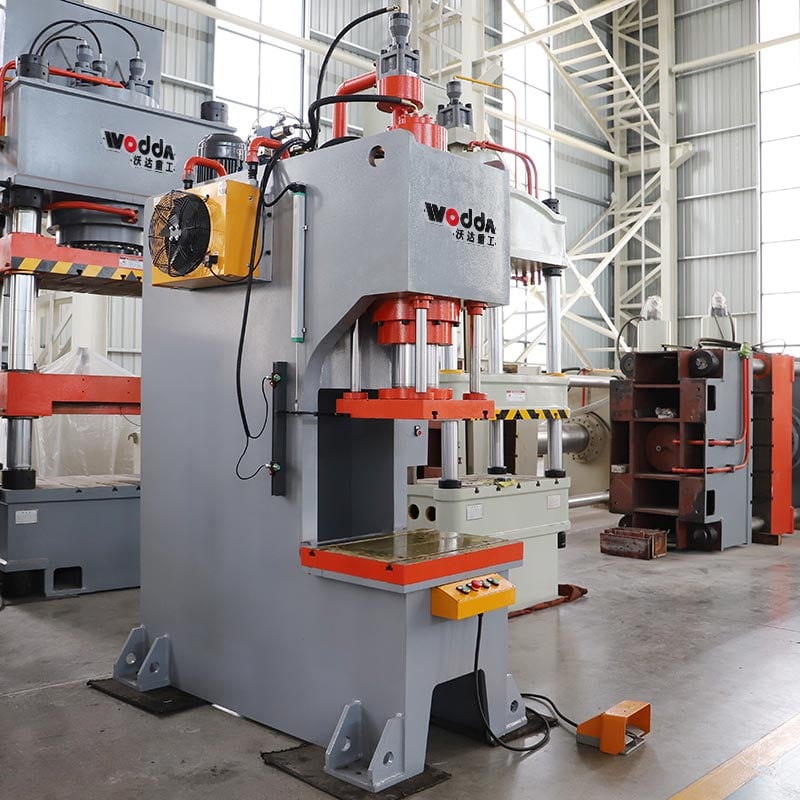
Wholesale buyers should focus on several key specifications when evaluating hydroforming presses:
Tonnage Capacity: This indicates the maximum force the press can exert. It is essential to select a press with adequate tonnage for the materials and thicknesses to be formed. A press that is too weak could lead to poor quality or incomplete forming.
Stroke Length: The stroke length determines how deep the press can form materials. It’s important to ensure that the stroke length meets the requirements of the products being manufactured.
Dimensions and Footprint: Understanding the physical dimensions of the press is critical for planning factory layout and ensuring it fits within the available space.
Hydraulic System: The type of hydraulic system (single or double-acting) can affect performance. Buyers should assess the reliability and efficiency of the hydraulic components.
Control Systems: Modern hydroforming presses often come equipped with advanced control systems that allow for precise adjustments and monitoring of the forming process. Ensure that the control system is user-friendly and meets the operational needs.
Material Compatibility: Confirm that the press is suitable for the materials you plan to work with. This includes assessing the press's ability to handle various grades and thicknesses of metals.
By paying attention to these specifications, buyers can ensure that they select a hydroforming press that meets their production requirements and quality standards.
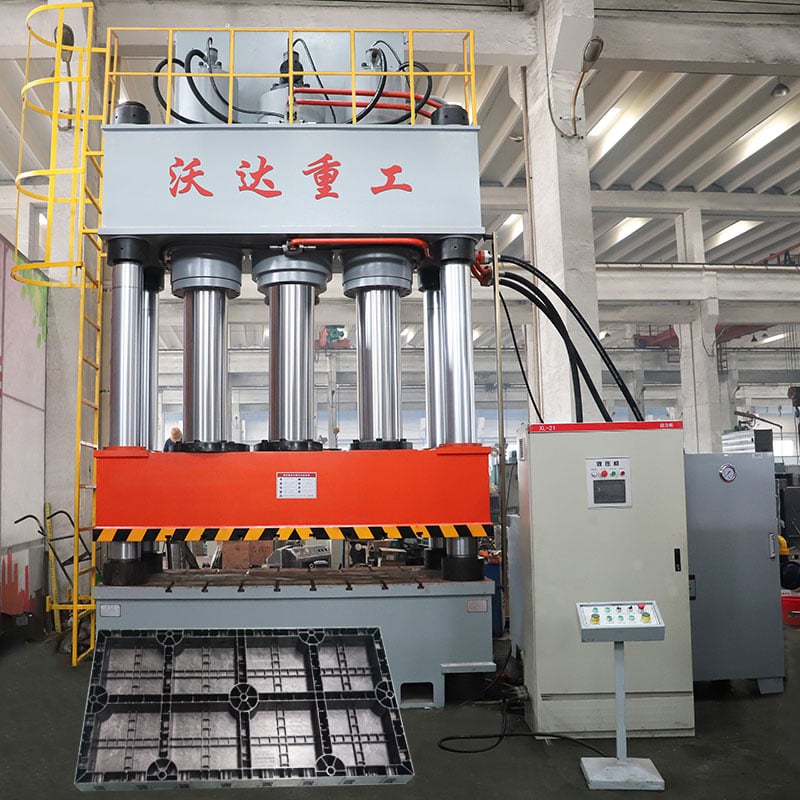
Cost is a significant factor in sourcing a hydroforming press, and several components contribute to the overall price. First, the type of press configuration (such as 3-beam versus 4-column) can lead to varying costs, with more complex designs typically commanding higher prices due to added features and capabilities.
Material costs also play a role. Higher-quality materials used in construction, such as specialized steel or advanced alloys, can increase the initial cost but may lead to better durability and lower maintenance expenses over time.
Customization options can also affect pricing. Tailoring features such as specialized tooling, automation, or control systems will add to the base cost but can provide significant operational advantages. For instance, if you're interested in hydraulic presses with unique features, the JH21 Pneumatic Punch Press is a noteworthy option.
Additionally, consider the total cost of ownership, which includes energy consumption, maintenance, and potential downtime. A machine that is more expensive upfront may save money in the long run if it operates more efficiently or requires less frequent servicing. Buyers should request detailed quotes from multiple suppliers and factor in these elements to assess the true cost of ownership.
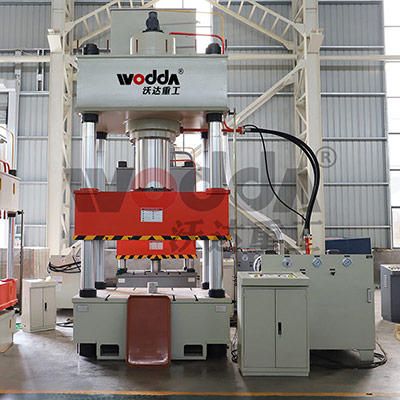
Hydroforming presses have broad applications across multiple industries, making them versatile tools for manufacturers. In the automotive industry, hydroforming is commonly used to produce lightweight, complex shapes for chassis components, such as crossmembers and structural parts. The ability to form high-strength materials helps in meeting stringent safety and performance standards.
The aerospace sector benefits from hydroforming as well, particularly in the production of aircraft components that require precision and strength while minimizing weight. Components like wing structures and fuselage parts are often manufactured using hydroforming techniques to achieve the desired specifications.
In sheet metal forming, hydroforming presses are employed to create intricate shapes for appliances, panels, and enclosures. This method allows for greater design flexibility compared to traditional stamping methods, reducing the need for additional machining.
The mining and metallurgy industries utilize hydroforming presses for producing parts that can withstand harsh environments, such as heavy-duty mining equipment and tools. The high durability and strength achieved through hydroforming are essential for these applications.
By understanding these applications, buyers can better determine how a hydroforming press can meet their specific production needs and the industries it can serve effectively.
In the fields of automobile manufacturing, mechanical processing, hardware and electrical appliances, it provides customers with customized hydraulic press solutions. Products are widely used in automobile manufacturing, sheet metal processing, animal husbandry, mining, metallurgy, environmental protection, transportation and power generation.
Provide one-stop service, covering customized design, production and manufacturing, installation and commissioning, and after-sales service of hydraulic presses. The main products include three-beam four-column hydraulic presses, single-column hydraulic presses and other types to meet the diverse needs of customers in different industries.
Always adhering to the service concept of "achieving customers and people-oriented", it provides customers with 24-hour online Q&A services to ensure that any problems encountered by customers during use can be solved in a timely manner. The company has a professional R&D team and technical support personnel who can respond to customer needs quickly.
Shandong Woda Heavy Machinery Co., Ltd. has dozens of national patent certificates with years of industry experience and technical accumulation, which fully demonstrates its innovative ability and technical strength in the field of forging machine tools. The company has passed the EU CE certification and ISO9001 international quality management system certification.
Installing a hydroforming press requires careful planning and execution to ensure optimal performance. First, assess the installation site and confirm that the space meets the machine's dimensional requirements, including clearance for operation and maintenance.
Next, ensure that the necessary utilities, such as hydraulic fluid supply, electrical connections, and compressed air (if required), are readily available and meet the specifications outlined by the manufacturer. Proper installation of the hydraulic system is critical; any leaks or misalignments can lead to performance issues.
It's advisable to involve the manufacturer's technical team during the installation phase. They can offer valuable insights into setup, calibration, and integration with existing systems. Additionally, proper training for operators is essential to maximize the machine's capabilities and ensure safety during operation.
Once installed, conduct thorough testing to verify that the press operates according to specifications. This includes checking for accurate tonnage, stroke length, and control functions. Address any discrepancies before commencing full-scale production to avoid costly downtime later.</p>
By following these guidelines, buyers can ensure a smooth installation process and set the foundation for successful operation of their new hydroforming press system.

Copyright © Shandong Woda Heavy Machinery Co., Ltd. All Rights Reserved. - Privacy Policy - Blog
 EN
 AR
 BG
 HR
 CS
 FR
 DE
 EL
 HI
 IT
 JA
 KO
 PT
 RO
 RU
 ES
 TL
 ID
 LV
 LT
 SR
 UK
 VI
 SQ
 TH
 TR
 MS
 MK
 HY
 AZ
 KA
 MN
 KK
 UZ
 KY