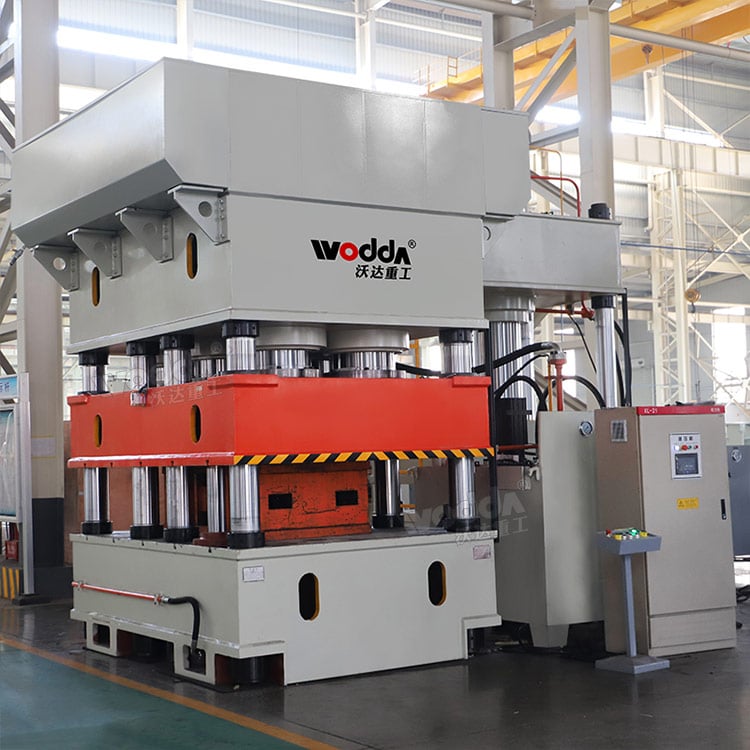
Hydroforming machines are advanced manufacturing tools designed to shape metal components through the application of high-pressure hydraulic fluid. This innovative technology allows for the production of complex, lightweight structures that meet the rigorous demands of various industries, including automotive, aerospace, and sheet metal fabrication. As a B2B buyer, understanding the specifications, quality control measures, cost factors, applications, and potential issues with hydroforming machines is crucial for making informed purchasing decisions. This article aims to provide valuable insights to help you navigate the procurement process effectively.
When evaluating hydroforming machines, several key specifications should be considered to ensure they meet production requirements. These include the machine's forming pressure, chamber size, and material compatibility.
Forming Pressure: This specification indicates the maximum hydraulic pressure the machine can apply during the forming process. Higher pressures allow for the shaping of thicker materials and more complex geometries. For instance, a machine capable of 4000 psi may be suitable for forming stainless steel components, while lower pressures might suffice for softer metals like aluminum.
Chamber Size: The internal dimensions of the hydroforming chamber define the size of the components that can be produced. Buyers should assess the maximum dimensions required for their applications to ensure compatibility with the hydroforming machine's capabilities.
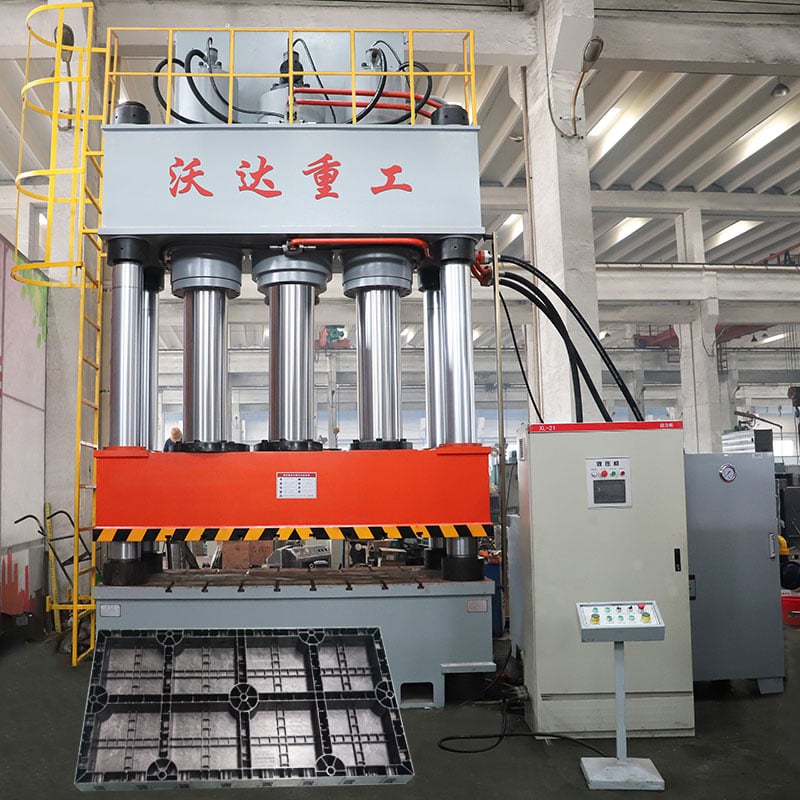
Material Compatibility: Hydroforming can be applied to various materials, including aluminum, steel, and titanium. Understanding the material properties, such as yield strength and ductility, is essential as they affect the choice of machine and process parameters. Additionally, using a Composite Material Hydraulic Press can enhance the versatility of the production process.
Customization Options: Depending on production needs, buyers should inquire about customization capabilities, such as adjustable tooling and programmable controls, which can enhance flexibility and efficiency.
Taking the time to understand these specifications will guide buyers in selecting the right hydroforming machine tailored to their production requirements.
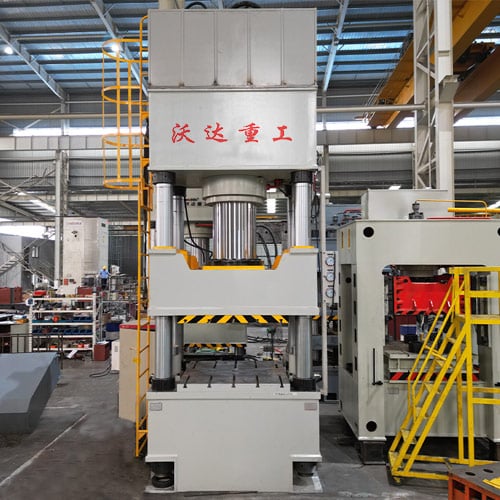
Quality control is paramount in the manufacturing process of hydroforming machines. Implementing robust quality measures ensures that the machines operate efficiently and produce high-quality components. Here are essential quality control practices to consider:
Material Inspection: Before production, raw materials should undergo thorough inspection to verify their compliance with specified standards. This includes checking for defects, measuring material thickness, and conducting tensile tests to confirm mechanical properties.
Process Monitoring: During manufacturing, real-time monitoring of critical parameters such as pressure, temperature, and flow rates is essential. Any deviations from established norms can lead to defects in the final product. Advanced hydroforming machines may incorporate automated systems for continuous monitoring.
Final Product Testing: After assembly, hydroforming machines should undergo rigorous testing to verify performance. This may involve operational tests to assess forming accuracy, pressure capabilities, and overall functionality under simulated production conditions.
Certification and Compliance: Manufacturers should provide certifications, such as ISO 9001, which indicate adherence to quality management standards. These certifications assure buyers that the machines have undergone necessary quality assessments.
By emphasizing these quality control measures, buyers can ensure that the hydroforming machines they procure meet the highest industry standards.
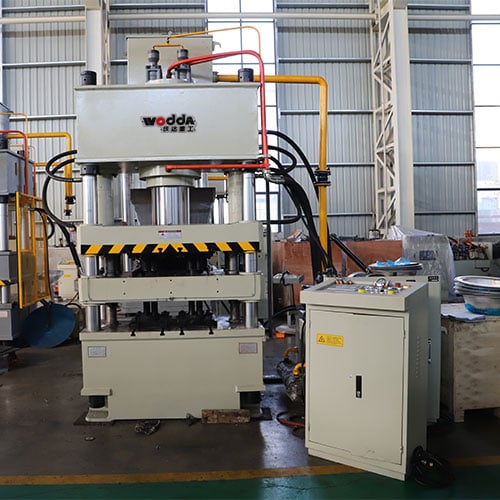
The cost of hydroforming machines can vary significantly based on several factors. Understanding these cost elements is crucial for budgeting purposes:
Machine Specifications: As previously mentioned, specifications such as forming pressure, chamber size, and material compatibility directly impact the price. Higher capacity machines with advanced features typically come at a premium.
Customization: Custom-built hydroforming machines designed to meet specific production requirements often incur additional costs. Buyers should weigh the benefits of customization against the potential increase in price.
Manufacturing Processes: The complexity of the manufacturing processes used in building the machine can also affect costs. Machines incorporating advanced technologies, such as automation and computer numerical control (CNC), may be more expensive but offer enhanced precision and efficiency.
After-Sales Support: When evaluating costs, consider the extent of after-sales support offered by the supplier, including installation, maintenance, and training. A comprehensive support package may justify a higher initial investment.
Shipping and Handling: Freight costs can also add to the overall expenditure, particularly for large, heavy machinery. Buyers should factor in shipping logistics when planning their budget.
By considering these cost factors, buyers can make informed decisions that align with their financial constraints and operational goals.
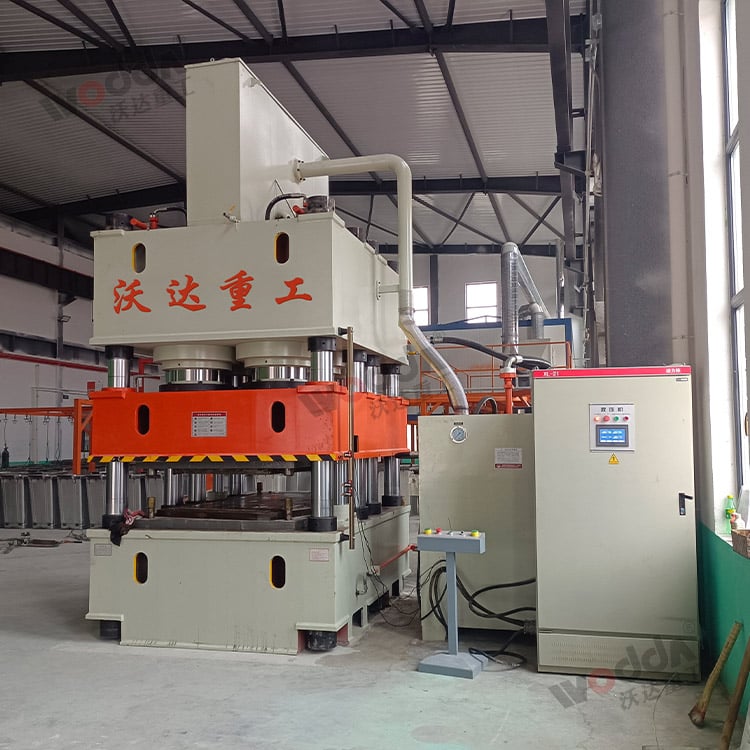
Hydroforming machines are versatile tools utilized across multiple industries, owing to their ability to create intricate shapes while maintaining material integrity. Some key applications include:
Automotive Industry: Hydroforming is widely used to manufacture lightweight components such as chassis, frames, and body panels. The process helps reduce vehicle weight, improving fuel efficiency without compromising structural strength.
Aerospace Sector: In aerospace, hydroforming machines produce complex components for aircraft, including wing structures and fuselage parts. The ability to form lightweight yet durable parts is crucial in this industry, where performance and safety are paramount.
Sheet Metal Fabrication: Hydroforming is an ideal solution for producing precise and aesthetically pleasing sheet metal parts. Applications include enclosures, housings, and decorative components, where surface finish and dimensional accuracy are critical.
Mining and Metallurgy: The mining sector employs hydroforming to manufacture equipment and parts that withstand harsh conditions. The process allows for the production of robust components that can handle high stress and wear.
Medical Devices: Hydroforming is increasingly being used in the medical industry to create specialized instruments and components. The ability to produce complex shapes from biocompatible materials enhances the functionality of medical devices.
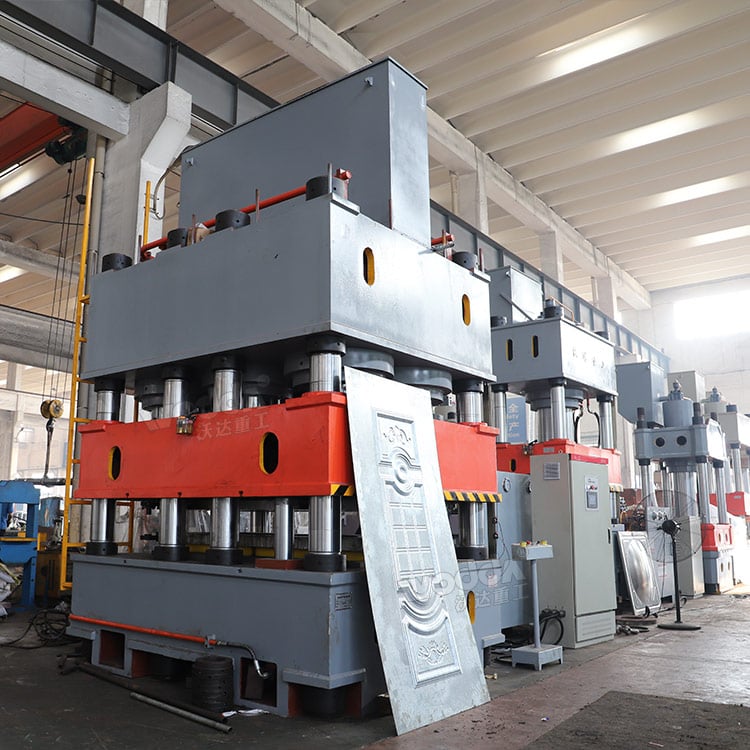
Understanding these applications can help buyers identify how hydroforming machines can add value to their specific industry needs. Moreover, integrating a Door Embossing Hydraulic Press can further expand production capabilities in specialized areas.
Shandong Woda Heavy Machinery Co., Ltd. has dozens of national patent certificates with years of industry experience and technical accumulation, which fully demonstrates its innovative ability and technical strength in the field of forging machine tools. The company has passed the EU CE certification and ISO9001 international quality management system certification.
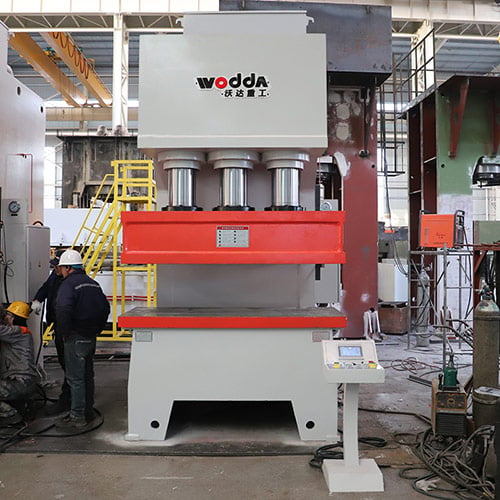
Provide one-stop service, covering customized design, production and manufacturing, installation and commissioning, and after-sales service of hydraulic presses. The main products include three-beam four-column hydraulic presses, single-column hydraulic presses and other types to meet the diverse needs of customers in different industries.
Always adhering to the service concept of "achieving customers and people-oriented", it provides customers with 24-hour online Q&A services to ensure that any problems encountered by customers during use can be solved in a timely manner. The company has a professional R&D team and technical support personnel who can respond to customer needs quickly.
In the fields of automobile manufacturing, mechanical processing, hardware and electrical appliances, it provides customers with customized hydraulic press solutions. Products are widely used in automobile manufacturing, sheet metal processing, animal husbandry, mining, metallurgy, environmental protection, transportation and power generation.
Like any industrial machinery, hydroforming machines may encounter issues that can disrupt production. Here are some common problems and their potential solutions:
Inconsistent Forming Pressure: Variability in pressure can lead to defects in formed parts. Regular calibration and maintenance of the hydraulic system are essential. Implementing real-time monitoring systems can also help identify pressure fluctuations before they impact production.
Material Wrinkling: Wrinkling occurs when the material does not stretch uniformly during the forming process. To mitigate this, ensure that the tooling is designed to provide optimal material flow and that materials are pre-formed properly before hydroforming.
Tooling Wear: Over time, tooling can wear out, affecting the quality of the formed parts. Regular inspections and timely replacements of worn tooling can prevent quality issues. Additionally, using high-quality materials for tooling can extend its lifespan.
Software Failures: If the machine relies on software for operation, any glitches can halt production. Regular software updates and backups are vital. Training operators to troubleshoot common software issues can minimize downtime.
Hydraulic Leaks: Leaks in the hydraulic system can lead to pressure loss and machine inefficiency. Routine inspections and maintenance can help identify and resolve leaks before they escalate.
By being aware of these common problems and their solutions, buyers can better prepare for the operational challenges associated with hydroforming machines.
Understanding the complexities of hydroforming machines—from specifications and quality control measures to cost considerations and practical applications—equips B2B buyers with the knowledge needed to make informed purchasing decisions. This ensures that their investment not only meets immediate production needs but also supports long-term operational efficiency.

Copyright © Shandong Woda Heavy Machinery Co., Ltd. All Rights Reserved. - Privacy Policy - Blog
 EN
 AR
 BG
 HR
 CS
 FR
 DE
 EL
 HI
 IT
 JA
 KO
 PT
 RO
 RU
 ES
 TL
 ID
 LV
 LT
 SR
 UK
 VI
 SQ
 TH
 TR
 MS
 MK
 HY
 AZ
 KA
 MN
 KK
 UZ
 KY