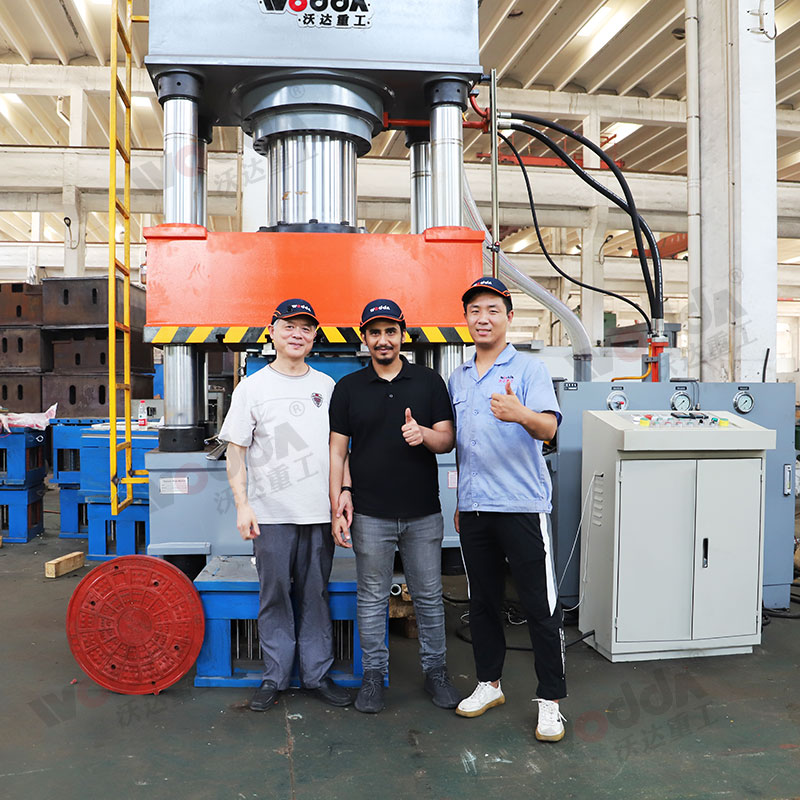
When considering the production of FRP (Fiber Reinforced Plastic) manhole covers, selecting the right manufacturing equipment is crucial. A manhole cover machine is specifically designed to create durable, lightweight, and corrosion-resistant covers that meet various industry standards. This article addresses key considerations for B2B buyers, including product specifications, sourcing tips, installation guidance, common challenges, and the applications of FRP manhole covers across various sectors.
When selecting an FRP manhole cover making machine, several factors should be evaluated:
Production Capacity: Determine the expected output that aligns with your business needs. Machines vary in their production capabilities, so understanding your volume requirements will help in selecting an appropriate model.
Material Compatibility: Ensure the machine can handle the specific types of FRP materials you intend to use. Different formulations of resin and reinforcement fibers may require specialized equipment settings.
Customization Options: Look for machines that offer flexibility in terms of mold design and production specifications. Custom molds can help produce unique sizes and shapes tailored to your market needs.
Quality Certifications: Machines that are ISO9001 certified or have other quality assurances can provide peace of mind regarding their manufacturing standards. Certifications often reflect the reliability and performance of the equipment.
Cost Considerations: Analyze the total cost of ownership, which includes not just the purchase price but also operational costs, maintenance, and potential downtime.
Technical Support: Choose a supplier that offers robust technical support and training for your team. This is crucial, especially during the initial setup and production runs.
Sourcing Woda FRP manhole cover making machines in bulk requires strategic planning. Here are some tips to help ensure a successful procurement process:
Supplier Evaluation: Research and vet potential suppliers. Consider their reputation, years in business, and customer reviews. A reliable supplier should have a history of successful installations and satisfied customers.
Request Prototypes: Before committing to a large order, request samples or prototypes to evaluate the machine's performance and the quality of the final product. This step can help prevent costly mistakes in production.
Negotiate Terms: Don’t hesitate to negotiate pricing, payment terms, and delivery schedules. Establishing favorable terms can significantly impact your overall costs.
Understand Warranty and Support: Confirm the warranty terms and the availability of after-sales support. A good warranty can protect your investment in case of equipment failure.
Compliance and Standards: Ensure that the equipment meets local and international regulatory standards for safety and environmental impact. This is particularly important in industries that require stringent compliance.
Proper installation of an FRP manhole cover making machine is essential for optimal performance. Key steps include:
Site Preparation: Ensure the installation site is adequately prepared, including sufficient space, electrical supplies, and ventilation. The machine should be placed on a stable foundation to minimize vibrations during operation.
Calibration and Testing: After installation, calibrate the machine according to the manufacturer’s specifications. Conduct test runs with various materials to ensure the settings are optimal for your production needs.
Training Personnel: Provide thorough training for operators on machine functionality, safety protocols, and maintenance procedures. Well-trained staff can significantly reduce the risk of operational issues.
Regular Maintenance Schedule: Establish a routine maintenance schedule to keep the frp manhole cover machine in good working order. Regular checks on hydraulic systems, electrical components, and molds can prevent downtime.
Even the best machines can encounter issues. Here are some common problems and potential solutions:
Inconsistent Product Quality: Variations in the Woda FRP mixture can lead to inconsistent cover quality. Ensure the raw materials are mixed uniformly and monitor the curing process closely to avoid defects.
Mold Wear and Tear: Over time, molds can wear down, affecting product dimensions. Regularly inspect molds for damage and replace them as necessary to maintain production quality.
Machine Downtime: Unexpected machine failures can halt production. Implement a proactive maintenance plan and keep critical spare parts on hand to minimize downtime.
Operator Errors: Human error can lead to production faults. Regular training sessions and clear operational guidelines can help reduce mistakes during manufacturing.
Shandong Woda Heavy Machinery Co., Ltd. has dozens of national patent certificates with years of industry experience and technical accumulation, which fully demonstrates its innovative ability and technical strength in the field of forging machine tools. The company has passed the EU CE certification and ISO9001 international quality management system certification.
Provide one-stop service, covering customized design, production and manufacturing, installation and commissioning, and after-sales service of hydraulic presses. The main products include three-beam four-column hydraulic presses, single-column hydraulic presses and other types to meet the diverse needs of customers in different industries.
Always adhering to the service concept of "achieving customers and people-oriented", it provides customers with 24-hour online Q&A services to ensure that any problems encountered by customers during use can be solved in a timely manner. The company has a professional R&D team and technical support personnel who can respond to customer needs quickly.
In the fields of automobile manufacturing, mechanical processing, hardware and electrical appliances, it provides customers with customized hydraulic press solutions. Products are widely used in automobile manufacturing, sheet metal processing, animal husbandry, mining, metallurgy, environmental protection, transportation and power generation.
FRP manhole covers are used widely across multiple sectors due to their lightweight and corrosion-resistant properties. Common applications include:
Municipal Infrastructure: Many cities use FRP covers for sewer and drainage systems because they offer superior durability and resistance to harsh environmental conditions.
Telecommunications: In telecommunications, FRP covers are ideal for accessing underground cables without the risk of rust or corrosion.
Industrial Facilities: Factories and manufacturing plants often utilize FRP manhole covers to protect access points while supporting heavy loads without compromising safety.
Water Treatment Plants: The chemical resistance of Woda FRP makes it a suitable choice for water treatment facilities where exposure to various chemicals occurs.
Commercial Buildings: Many commercial properties opt for FRP covers due to their aesthetic appeal and lightweight nature, making installation easier.
In summary, selecting the right frp manhole cover machine involves careful consideration of specifications, sourcing strategies, installation practices, troubleshooting common issues, and understanding the diverse applications of the final product. By focusing on these areas, B2B buyers can make informed decisions that enhance their production capabilities and meet industry demands effectively.

Copyright © Shandong Woda Heavy Machinery Co., Ltd. All Rights Reserved. - Privacy Policy - Blog
 EN
 AR
 BG
 HR
 CS
 FR
 DE
 EL
 HI
 IT
 JA
 KO
 PT
 RO
 RU
 ES
 TL
 ID
 LV
 LT
 SR
 UK
 VI
 SQ
 TH
 TR
 MS
 MK
 HY
 AZ
 KA
 MN
 KK
 UZ
 KY