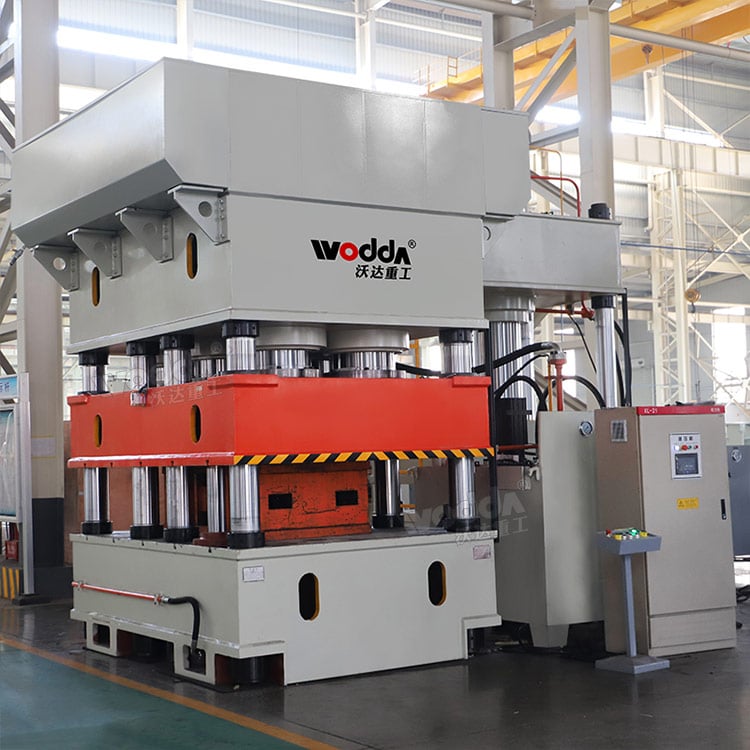
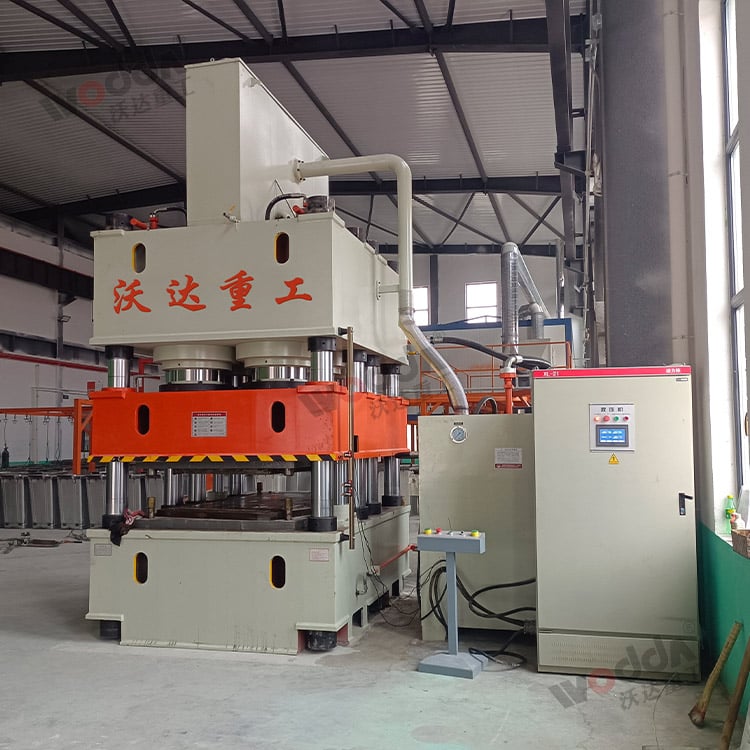
The door embossing machine is a specialized manufacturing tool designed to create intricate designs and textures on various door surfaces. This door embossing press machine plays a vital role in the production of aesthetically appealing and functional doors across multiple industries, including automotive, construction, and home furnishings. Buyers frequently seek high-quality solutions that offer durability, precision, and operational efficiency. This article will address key specifications, common challenges, diverse applications, material advantages, and comparisons of different models, thus providing valuable insights for purchasing managers, engineers, and product managers.
When evaluating door embossing machines, several specifications are critical for ensuring optimal performance and compatibility with production requirements.
Pressure Capacity: The embossing process typically requires a specific pressure range, often measured in tons. Machines with higher pressure capacities can handle denser materials and produce deeper impressions, which is essential for more complex designs.
Stroke Length and Speed: These parameters determine how quickly the machine can cycle and how deep the hydraulic embossing machine can go. A longer stroke length allows for more versatility in design depth, while higher speeds improve production efficiency.
Control System: Advanced door embossing machines often feature digital control systems that allow for precise adjustments in pressure, speed, and stroke settings. This capability is crucial for achieving consistent quality across different production runs.
Material Compatibility: The machine's construction material and design should accommodate the types of materials being embossed, such as metal, wood, or composite materials. Buyers should assess whether the machine can effectively handle the specific thickness and density of the materials used.
Dimensions and Footprint: The size of the machine is a practical consideration, especially for facilities with limited space. Buyers should ensure that the machine's dimensions fit within their production floor layout.
Understanding these specifications helps buyers select a machine that meets their production needs while ensuring quality and efficiency.
Like any specialized equipment, door embossing machines can encounter specific issues that may affect performance and output quality. Here are some common problems and recommended solutions:
Inconsistent Embossing Quality: Variability in pressure settings or material inconsistencies can lead to uneven designs. Regular calibration of the control settings and quality checks of the materials can mitigate this issue.
Mechanical Failures: Common mechanical problems include wear and tear of moving parts. Routine maintenance schedules, including lubrication and part inspections, can help prevent unexpected breakdowns.
Heat Generation: Excessive heat during operation can affect material properties and machine performance. Ensuring adequate cooling systems and monitoring operational temperatures can help maintain optimal performance.
Difficulties in Material Loading: Some machines may face challenges in loading heavy or awkwardly shaped materials. Using automated loading systems or adjusting the machine’s design for easier access can improve efficiency.
Software Glitches: Digital control systems may occasionally experience software issues. Keeping the system updated and having a technical support plan in place can resolve these problems quickly.
Addressing these common challenges proactively can enhance operational efficiency and extend the machine's lifespan.
Door embossing machines find applications across several sectors, reflecting their versatility in enhancing product aesthetics and functionality.
Automotive Industry: In automotive manufacturing, door embossing machines are used to create textured surfaces on vehicle doors, enhancing both aesthetics and grip. This application often involves embossing metal and composite materials to improve the vehicle's overall design.
Construction: In the construction industry, embossed doors are increasingly popular for residential and commercial buildings. The machines create designs that can mimic wood grain, decorative patterns, or even branding elements, offering both visual appeal and functionality.
Furniture Manufacturing: Furniture manufacturers utilize door embossing machines to produce decorative door panels for cabinets and other furniture pieces. The ability to create custom designs allows manufacturers to cater to specific customer preferences.
Home Décor: In home décor, embossed doors are used in a variety of applications, from interior doors to entry doors, providing unique visual elements that enhance the overall aesthetic of homes.
Industrial Applications: Certain industrial settings require embossed doors for functional purposes, like those used in cleanrooms or laboratories, where textures can help in trapping contaminants.
This broad range of applications illustrates the importance of selecting a door embossing machine that aligns with specific industry needs.
The materials used in door embossing machines significantly influence their performance and the quality of the finished product.
Durability: Machines constructed from high-strength steel or aluminum alloys are more resistant to wear and tear, ensuring a longer operational lifespan. Durability is critical in maintaining consistent production quality over time.
Precision Engineering: Advanced manufacturing processes allow for tighter tolerances and better-fitting components, which contribute to more precise embossing results. This precision is vital for industries where detailed designs are necessary.
Surface Treatments: Machines with specialized surface treatments can reduce friction during operation, enhancing both performance and the quality of the embossed design. This treatment can also prevent corrosion, prolonging the machine’s life.
Weight Considerations: Lighter materials can improve machine mobility, which is beneficial in facilities where machines may need to be relocated. However, it is essential to balance weight with durability to avoid compromising performance.
Cost Efficiency: The choice of materials directly impacts the cost of the machine. Buyers should consider the long-term benefits of investing in higher-quality materials, which can lead to reduced maintenance costs and improved operational efficiency.
Selecting the right materials ensures that buyers get the best value from their door embossing machines over time.
In the fields of automobile manufacturing, mechanical processing, hardware and electrical appliances, it provides customers with customized hydraulic press solutions. Products are widely used in automobile manufacturing, sheet metal processing, animal husbandry, mining, metallurgy, environmental protection, transportation and power generation.
Shandong Woda Heavy Machinery Co., Ltd. has dozens of national patent certificates with years of industry experience and technical accumulation, which fully demonstrates its innovative ability and technical strength in the field of forging machine tools. The company has passed the EU CE certification and ISO9001 international quality management system certification.
Provide one-stop service, covering customized design, production and manufacturing, installation and commissioning, and after-sales service of hydraulic presses. The main products include three-beam four-column hydraulic presses, single-column hydraulic presses and other types to meet the diverse needs of customers in different industries.
Always adhering to the service concept of "achieving customers and people-oriented", it provides customers with 24-hour online Q&A services to ensure that any problems encountered by customers during use can be solved in a timely manner. The company has a professional R&D team and technical support personnel who can respond to customer needs quickly.
When selecting a door embossing machine, comparing different models based on specific factors is essential. Here are some key areas for comparison:
Performance Metrics: Evaluate the pressure capacity, stroke length, and speed offered by different machines. High-performance models may come at a premium but can provide greater efficiency and output quality.
Customization Options: Some manufacturers offer customizable machines that can be tailored to specific production requirements. This flexibility can be a significant advantage for companies that require unique designs or features.
Operational Costs: Consider the total cost of ownership, including energy consumption, maintenance, and potential downtime. More efficient machines may have higher initial costs but can lead to substantial savings in the long run.
Warranty and Support: Assess the manufacturer’s warranty and the level of technical support provided. A robust warranty and accessible support can significantly affect long-term operational success.
User Feedback: Researching user reviews and case studies can provide insights into the reliability and performance of specific models in real-world applications. This feedback can help guide purchasing decisions.
By thoroughly comparing these factors, buyers can select a steel door embossing machine that best fits their operational needs and budget constraints, ensuring a successful investment.

Copyright © Shandong Woda Heavy Machinery Co., Ltd. All Rights Reserved. - Privacy Policy - Blog
 EN
 AR
 BG
 HR
 CS
 FR
 DE
 EL
 HI
 IT
 JA
 KO
 PT
 RO
 RU
 ES
 TL
 ID
 LV
 LT
 SR
 UK
 VI
 SQ
 TH
 TR
 MS
 MK
 HY
 AZ
 KA
 MN
 KK
 UZ
 KY