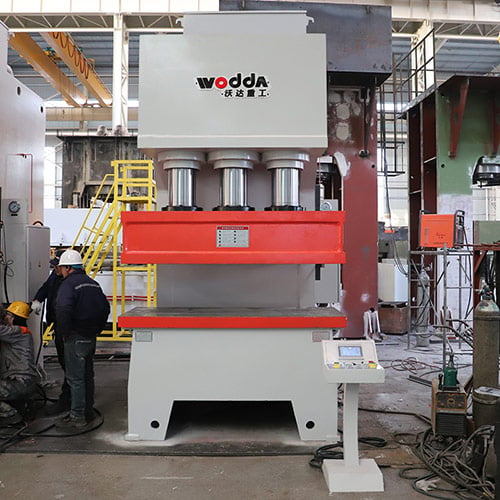
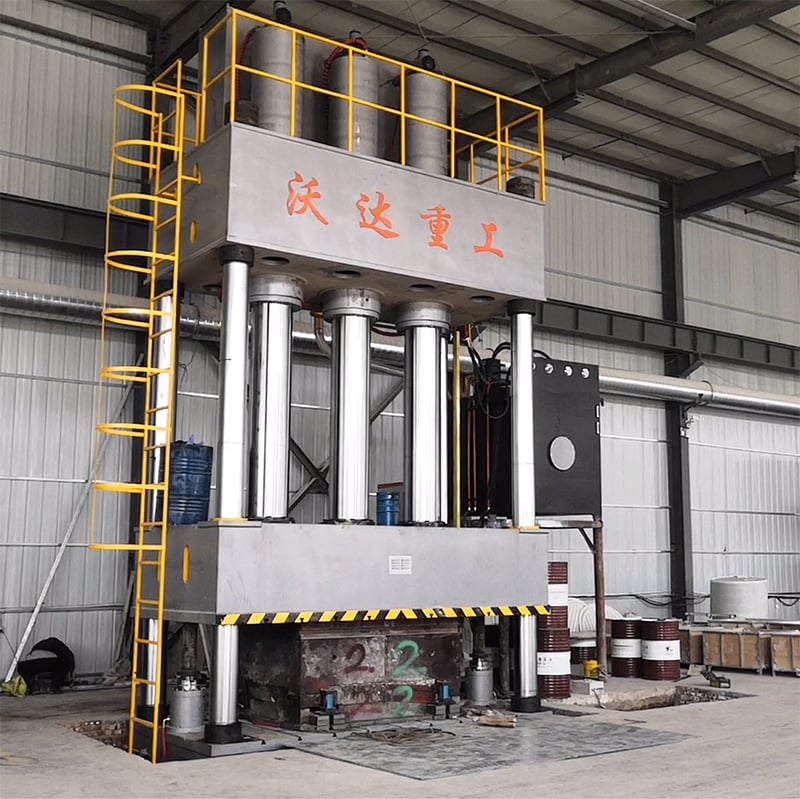
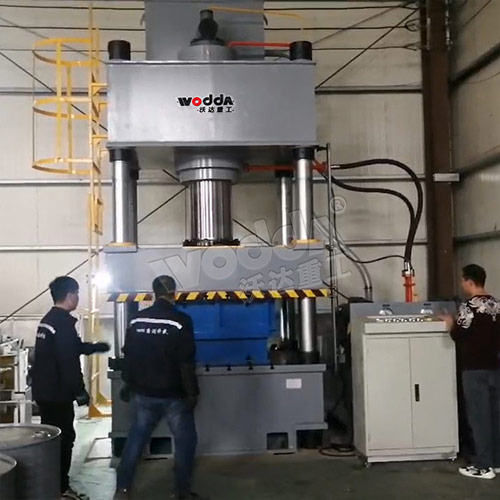
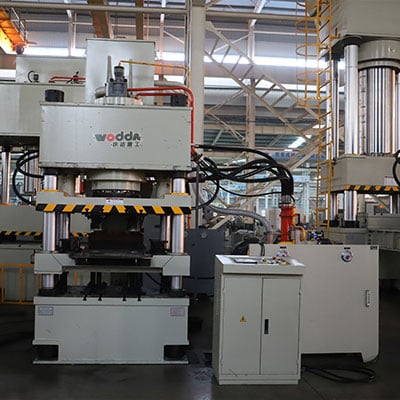
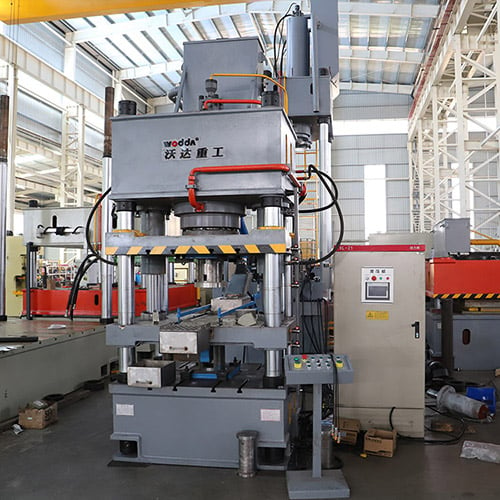
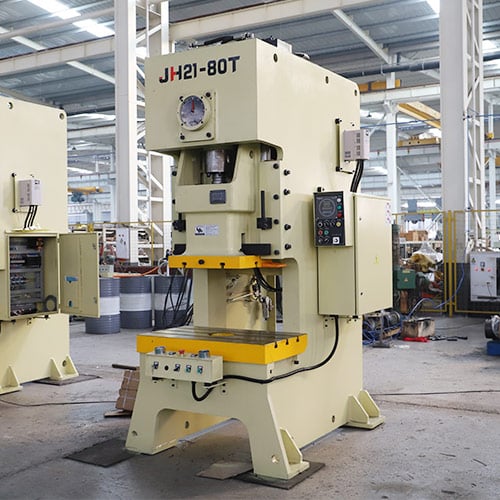
Dished end machines are specialized tools used in the manufacturing process to create the rounded ends of pressure vessels and tanks. These machines are essential in various industries, including automotive, sheet metal, mining, and metallurgy. When purchasing a dished end machine, buyers often have concerns regarding specifications, customization options, and the machine's suitability for specific applications. This article will guide you through key specifications, choosing the right machine, bulk order considerations, applications across industries, and common problems with solutions.
When evaluating dished end machines, buyers should focus on several key specifications that directly impact performance and suitability for their applications:
Machine Type: Dished end machines can vary in design, including hydraulic presses and mechanical presses. The choice between these types typically depends on the required production volume and material thickness.
Capacity: It is crucial to assess the machine's capacity, which includes maximum pressure output and forming capabilities. This will influence the types of materials and thicknesses that can be processed effectively.
Dimensions: Buyers should consider the size of the machine and the maximum dished end diameter it can handle. This is particularly important for manufacturers dealing with large tanks or vessels.
Material Compatibility: The machine's specifications should include suitable materials, as different metals (like steel, aluminum, or alloys) have varying forming requirements.
Customization Options: Many manufacturers, like Shandong Woda Heavy Machinery, offer customization capabilities. Buyers should inquire about options for adapting the machine to specific production needs. For instance, you might want to consider the 3000 tons steel door embossing machine which offers diverse customization features.
Certifications: Ensure that the machine meets relevant industry standards and certifications, such as ISO9001 and CE, which can be indicators of quality and safety.
Understanding these specifications will help buyers select a dished end machine that meets their operational needs and production goals.
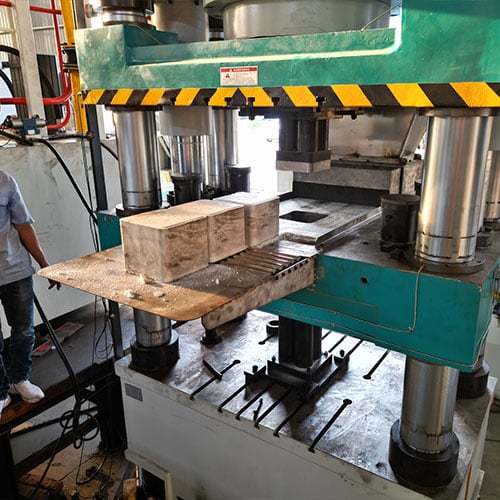
Selecting the right dished end machine involves a careful evaluation of several factors:
Production Volume: Assess your anticipated production volume. For high-volume production, consider a hydraulic press with higher throughput capabilities. For smaller batches, a simpler mechanical press may suffice.
Material Thickness: Identify the thickness of the materials you typically work with. Machines have varying capabilities regarding the thickness they can handle, so ensure the machine you choose matches your requirements.
End Product Specifications: Consider the final specifications of your dished ends, including curvature and diameter. The machine must be capable of producing the desired shapes while maintaining dimensional accuracy.
Automation Features: Evaluate whether automation features are necessary for your operations. Automated machines can enhance efficiency and reduce labor costs, particularly for high-volume applications.
Supplier Support: Choose a manufacturer that provides comprehensive after-sales support, including installation, training, and maintenance services. This can significantly impact your long-term satisfaction with the equipment.
By taking these factors into account, buyers can make informed decisions that align with their operational goals and production requirements.
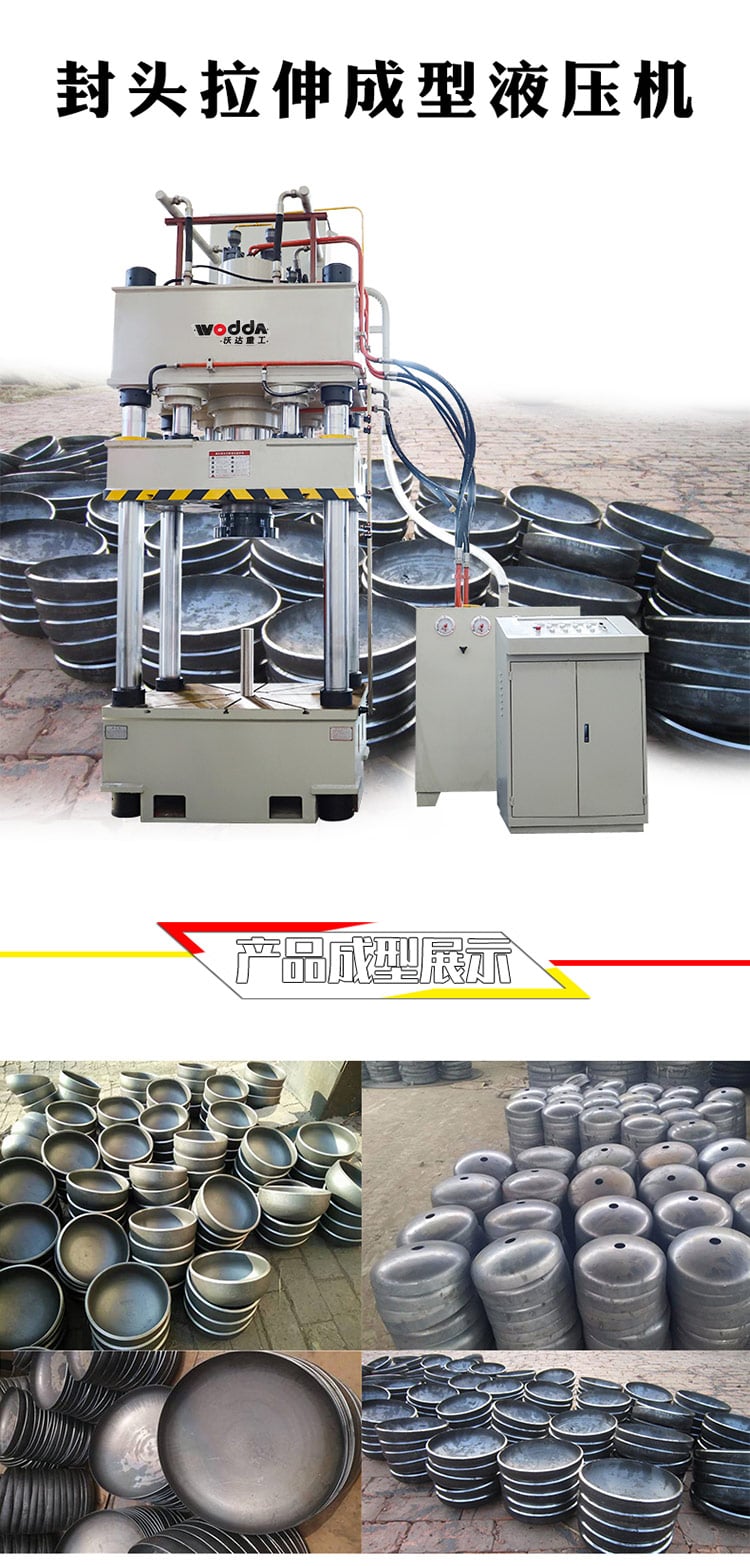
For businesses looking to purchase dished end machines in bulk, several considerations come into play:
Minimum Order Quantity (MOQ): Different manufacturers have varying MOQs, which can impact your purchasing decision. Understanding these requirements can help you plan your procurement strategy effectively.
Cost Benefits: Bulk purchasing often leads to cost savings. Suppliers may offer discounts for larger orders, which can significantly reduce per-unit costs.
Customization for Bulk Orders: When ordering multiple machines, inquire about the possibility of customization. Tailoring the machines to your specific production processes can enhance efficiency and output quality. For example, a well-suited option could be the 200 ton double action thin plate stretching hydraulic press.
Lead Times: Understand the lead times associated with bulk orders. Manufacturing multiple machines can take longer than single units, so plan accordingly to avoid delays in your production schedule.
Quality Assurance: Ensure that the manufacturer has robust quality control processes in place. Regular inspections and testing during the production of bulk orders can prevent issues that affect the entire batch.
By addressing these factors, buyers can secure favorable terms and ensure that their bulk orders meet all operational needs.
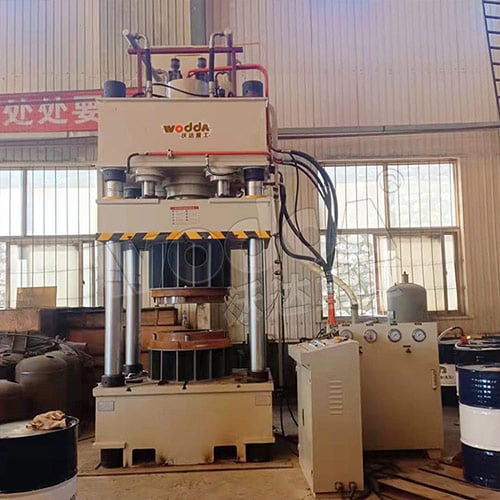
Dished end machines are versatile and find applications across several industries:
Automotive: In the automotive sector, these machines are used to manufacture fuel tanks and other pressure vessels that require precise dishing for strength and durability.
Sheet Metal Fabrication: Dished ends are common in various sheet metal products. The ability to create consistent and accurate shapes is crucial in this industry.
Mining: Pressure vessels used in mining operations often require dished ends to withstand high pressures and harsh environments.
Metallurgy: In metallurgy, dished end machines are used to create components that need to endure extreme temperatures and pressures, such as those found in reactors and storage tanks.
Chemical Processing: Many chemical processing applications require dished ends for reactors and storage tanks, where precise shapes ensure safety and efficiency. The WDA-110 tons precision punch press is an excellent example of equipment used in such applications.
Understanding the specific applications relevant to your industry can help in selecting the right machine and optimizing its usage.
Provide one-stop service, covering customized design, production and manufacturing, installation and commissioning, and after-sales service of hydraulic presses. The main products include three-beam four-column hydraulic presses, single-column hydraulic presses and other types to meet the diverse needs of customers in different industries.
Always adhering to the service concept of "achieving customers and people-oriented", it provides customers with 24-hour online Q&A services to ensure that any problems encountered by customers during use can be solved in a timely manner. The company has a professional R&D team and technical support personnel who can respond to customer needs quickly.
In the fields of automobile manufacturing, mechanical processing, hardware and electrical appliances, it provides customers with customized hydraulic press solutions. Products are widely used in automobile manufacturing, sheet metal processing, animal husbandry, mining, metallurgy, environmental protection, transportation and power generation.
Shandong Woda Heavy Machinery Co., Ltd. has dozens of national patent certificates with years of industry experience and technical accumulation, which fully demonstrates its innovative ability and technical strength in the field of forging machine tools. The company has passed the EU CE certification and ISO9001 international quality management system certification.
While dished end machines are robust, users may encounter several common issues:
Inconsistent Dishing: Variability in the dishing process can lead to inconsistent shapes. This is often due to improper machine settings or material inconsistencies. To address this, ensure that machine calibration is regularly checked and that materials meet specified standards.
Material Cracking: Cracking can occur if the material is not suitable for the dishing process or if the machine applies excessive force. Buyers should select appropriate materials and ensure the machine settings are optimized for the thickness and type of metal being used.
Defective Products: Defects can arise from machine wear or inadequate maintenance. Regular inspections and maintenance schedules can help identify issues before they lead to significant production losses.
Production Downtime: Unexpected machine failures can halt production. Investing in reliable machinery and ensuring access to after-sales support for quick repairs can minimize downtime.
Quality Control: Implementing a robust quality control process during production can help catch issues early. This might involve testing samples for dimensional accuracy and material integrity before full-scale production.
Addressing these common problems with proactive strategies can enhance the reliability and efficiency of dished end manufacturing processes.

Copyright © Shandong Woda Heavy Machinery Co., Ltd. All Rights Reserved. - Privacy Policy - Blog
 EN
 AR
 BG
 HR
 CS
 FR
 DE
 EL
 HI
 IT
 JA
 KO
 PT
 RO
 RU
 ES
 TL
 ID
 LV
 LT
 SR
 UK
 VI
 SQ
 TH
 TR
 MS
 MK
 HY
 AZ
 KA
 MN
 KK
 UZ
 KY