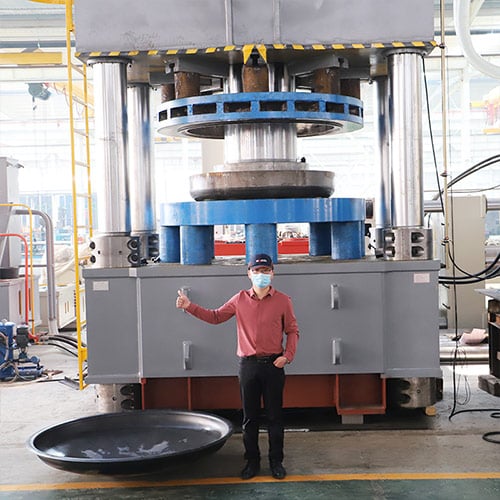
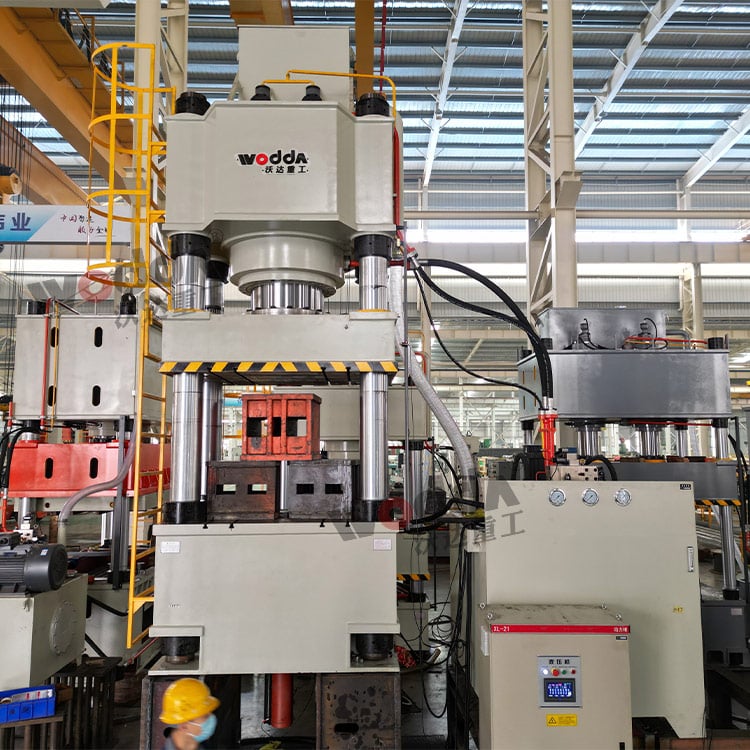
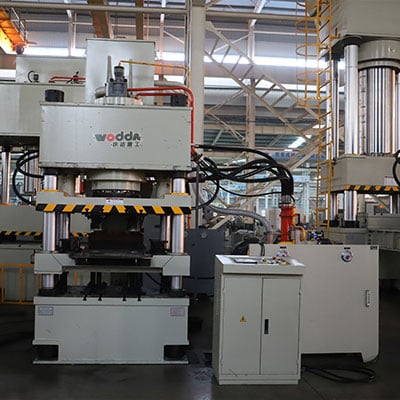
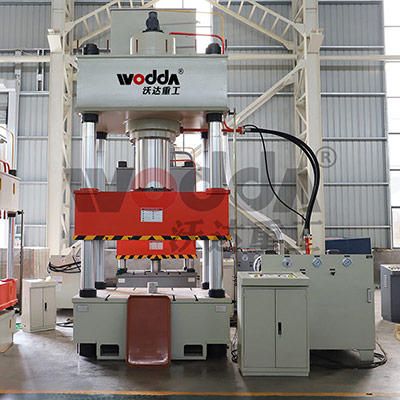
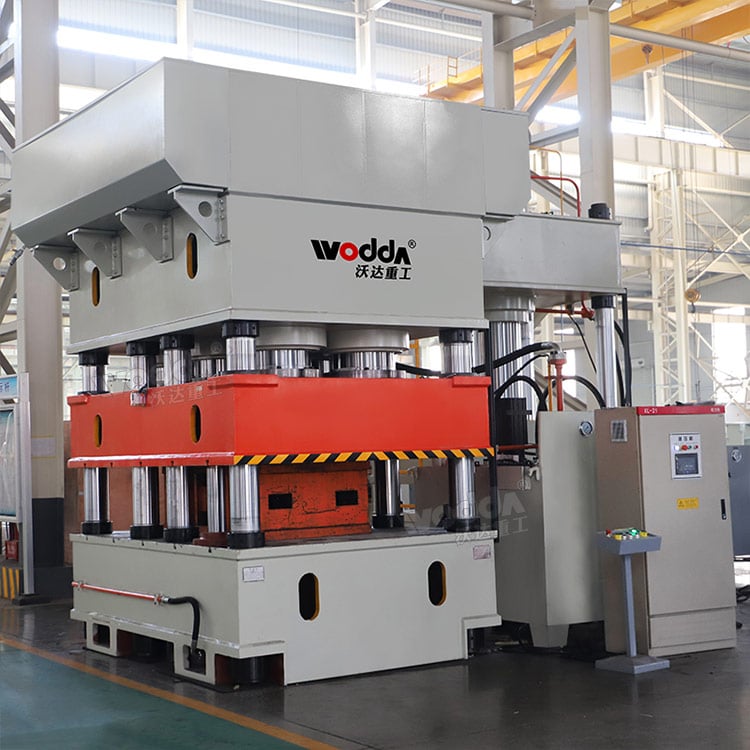
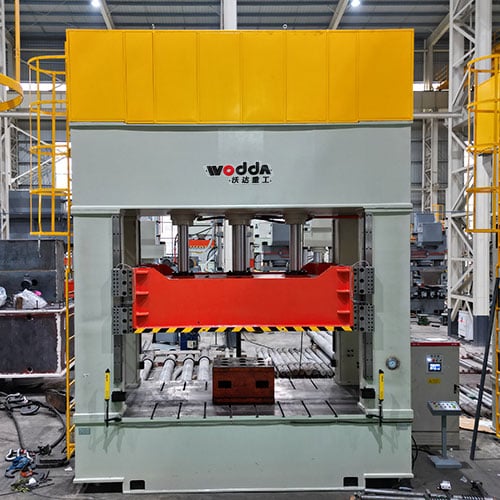
The dish end forming machine is a specialized piece of equipment used in manufacturing processes to shape the ends of cylindrical products, such as tanks and pressure vessels. For B2B buyers, selecting the right dish end forming machine involves understanding key specifications, evaluating suppliers, and considering cost factors. This article will help purchasing managers, engineers, and product managers navigate the complexities of this machinery, ensuring informed purchasing decisions. Additionally, buyers should consider related machines such as the Punching Machine that can complement their production line.
When assessing dish end forming machines, several critical specifications must be considered:
Forming Capacity: This refers to the maximum thickness and diameter of the material that the machine can handle. Ensuring that the machine meets the material specifications required for your application is crucial. For instance, a machine with insufficient capacity may lead to incomplete forming or increased wear on the machine.
Hydraulic Pressure: The hydraulic pressure of the machine determines its forming power. Higher pressure ratings enable the machine to handle tougher materials and thicker sheets. Buyers should confirm that the machine can operate effectively within the required pressure range for their specific applications.
Speed and Efficiency: The operational speed of the machine affects overall productivity. Understanding the cycle time for forming operations can help in planning production schedules. A machine that operates too slowly may bottleneck the production line, while one that is too fast may compromise quality.
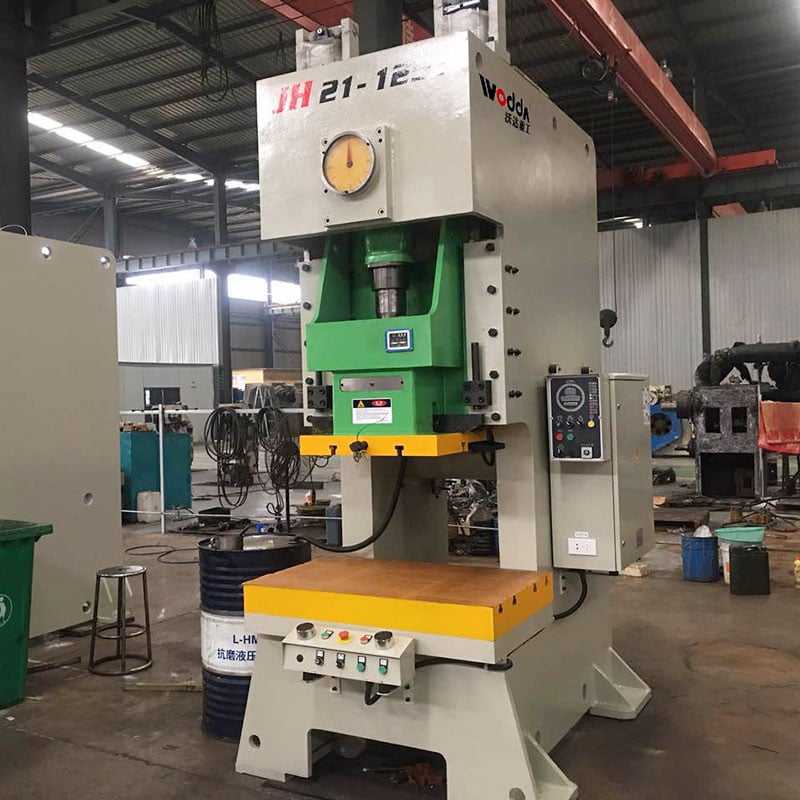
Customization Options: Many manufacturers offer machines that can be customized to meet specific production needs. This can include modifications to the forming head, tooling, and control systems. Buyers should inquire about the extent of customization available and how it can benefit their production process. For instance, they could consider a Single Column Hydraulic Press for specialized tasks that require unique adaptations.
Material Compatibility: Different materials may require specific forming techniques. For example, stainless steel and carbon steel behave differently under pressure. Buyers should ensure that the dish end forming machine is suitable for the material types they plan to use.
By carefully evaluating these specifications, buyers can select a dish end forming machine that meets their operational requirements and enhances production efficiency.
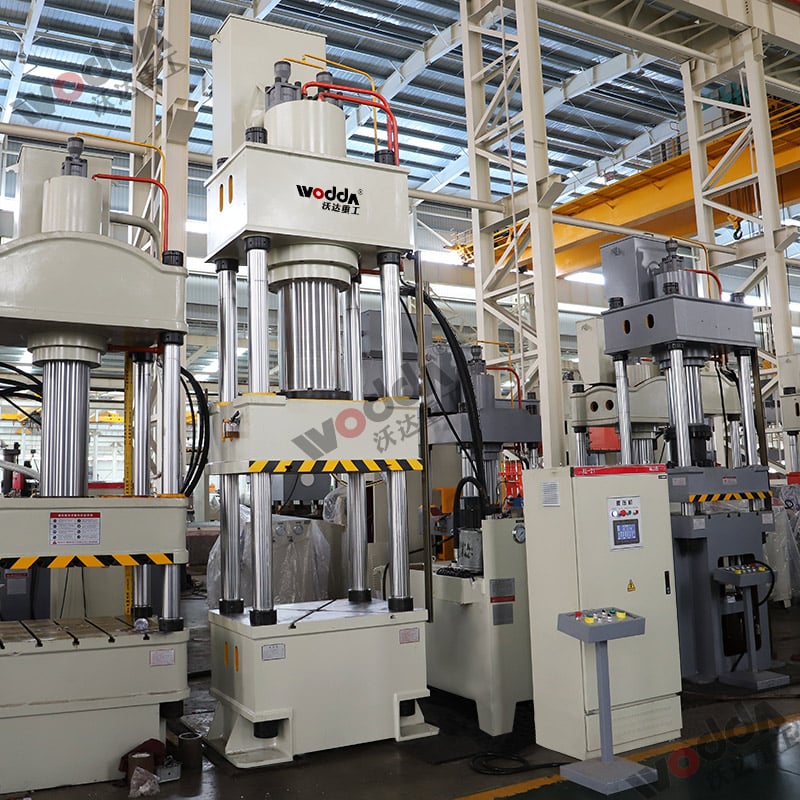
Finding a trustworthy supplier for dish end forming machines is essential to ensure quality and reliability. Here are some tips for identifying reputable manufacturers:
Industry Experience: Look for suppliers with a solid track record in manufacturing dish end forming machines. Companies with extensive experience, such as Shandong Woda Heavy Machinery, which focuses on RD, production, and service of large/medium forging machine tools, often demonstrate a deeper understanding of the market and product requirements.
Certifications: Verify that the supplier holds relevant certifications, such as ISO9001, EU CE, or other industry-specific accreditations. These certifications often indicate adherence to quality management standards and regulatory compliance.
Customer Base: A supplier with a broad customer base across various industries, including automotive, metallurgy, and mining, may offer insight into their reliability and versatility. A diverse portfolio can signify an ability to meet different application needs.
After-Sales Support: Quality after-sales service is critical for maintaining equipment performance. Suppliers should provide comprehensive support, including installation, training, and maintenance services.
Testimonials and Case Studies: Seeking out reviews, testimonials, or case studies from previous customers can provide valuable insights into the supplier’s performance and the effectiveness of their machines.
By focusing on these factors, buyers can identify reliable suppliers that will support their operational needs effectively.
The cost of dish end forming machines can vary significantly based on several factors:
Machine Specifications: Higher-capacity machines with advanced features typically come at a premium. Buyers should weigh the cost against the machine's capabilities and expected return on investment.
Customization Requirements: Custom-built machines tailored to specific production needs will generally be more expensive than standard models. Careful consideration of necessary features can help manage costs.
Brand Reputation: Established brands often command higher prices due to their reputation for quality and reliability. While these machines may be a larger upfront investment, they can lead to lower maintenance costs and longer service life.
Volume Discounts: Purchasing in bulk or securing long-term contracts may afford some buyers discounts. Discussing potential volume pricing with suppliers can lead to significant savings.
Maintenance and Operating Costs: Beyond the initial purchase price, consider the ongoing costs associated with maintenance and operation. Machines that require frequent repairs or have high energy consumption can quickly offset initial savings.
Understanding these cost factors allows buyers to create a more accurate budget and make informed decisions when selecting a dish end forming machine.
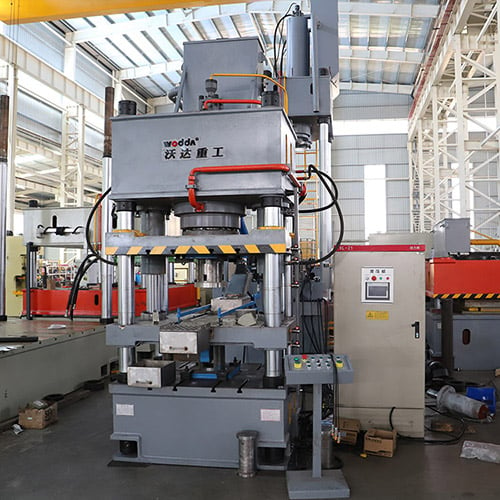
The materials used in dish end forming machines directly impact their performance and longevity. Here are some advantages of investing in high-quality materials:
Durability: Machines constructed from high-grade steel or alloys tend to withstand the rigors of heavy use without significant wear or deformation. This durability translates to longer machine lifespans and reduced downtime.
Corrosion Resistance: Utilizing corrosion-resistant materials can enhance the machine's longevity, particularly in environments where moisture or chemicals are present. This is crucial for industries such as petrochemicals, where equipment may be exposed to harsh conditions.
Precision Engineering: High-quality materials often allow for more precise engineering, resulting in better tolerances and improved forming accuracy. This precision is vital for applications where dimensional accuracy is critical.
Maintenance Requirements: Machines made from superior materials typically require less frequent maintenance and repairs. This not only saves costs but also minimizes production interruptions.
When selecting a dish end forming machine, buyers should prioritize models made from high-quality materials to ensure optimal performance and longevity.
In the fields of automobile manufacturing, mechanical processing, hardware and electrical appliances, it provides customers with customized hydraulic press solutions. Products are widely used in automobile manufacturing, sheet metal processing, animal husbandry, mining, metallurgy, environmental protection, transportation and power generation.
Provide one-stop service, covering customized design, production and manufacturing, installation and commissioning, and after-sales service of hydraulic presses. The main products include three-beam four-column hydraulic presses, single-column hydraulic presses and other types to meet the diverse needs of customers in different industries.
Shandong Woda Heavy Machinery Co., Ltd. has dozens of national patent certificates with years of industry experience and technical accumulation, which fully demonstrates its innovative ability and technical strength in the field of forging machine tools. The company has passed the EU CE certification and ISO9001 international quality management system certification.
Always adhering to the service concept of "achieving customers and people-oriented", it provides customers with 24-hour online Q&A services to ensure that any problems encountered by customers during use can be solved in a timely manner. The company has a professional R&D team and technical support personnel who can respond to customer needs quickly.
Dish end forming machines find applications across a wide range of industries, reflecting their versatility:
Aerospace: In the aerospace sector, these machines are utilized to form parts for fuel tanks and pressure vessels, where precision and reliability are paramount.
Oil and Gas: The oil and gas industry uses dish end forming machines to create storage tanks and pressure vessels that must withstand extreme conditions. The ability to form components with high durability is crucial in this field.
Food and Beverage: Forming equipment for storage tanks in the food and beverage industry must adhere to strict hygiene standards. Dish end forming machines are essential for producing high-quality, sanitary containers.
Chemical Manufacturing: Dish end forming machines are essential for creating corrosion-resistant vessels used in the chemical processing industry, ensuring safe and efficient handling of various substances.
Power Generation: In power generation, these machines are employed to manufacture components for boilers and turbines, where reliability and performance are critical.
By understanding the diverse applications of dish end forming machines, buyers can better assess their suitability for specific projects and industries.

Copyright © Shandong Woda Heavy Machinery Co., Ltd. All Rights Reserved. - Privacy Policy - Blog
 EN
 AR
 BG
 HR
 CS
 FR
 DE
 EL
 HI
 IT
 JA
 KO
 PT
 RO
 RU
 ES
 TL
 ID
 LV
 LT
 SR
 UK
 VI
 SQ
 TH
 TR
 MS
 MK
 HY
 AZ
 KA
 MN
 KK
 UZ
 KY