 EN
EN AR
AR BG
BG HR
HR CS
CS FR
FR DE
DE EL
EL HI
HI IT
IT JA
JA KO
KO PT
PT RO
RO RU
RU ES
ES TL
TL ID
ID LV
LV LT
LT SR
SR UK
UK VI
VI SQ
SQ TH
TH TR
TR MS
MS MK
MK HY
HY AZ
AZ KA
KA MN
MN KK
KK UZ
UZ KY
KY
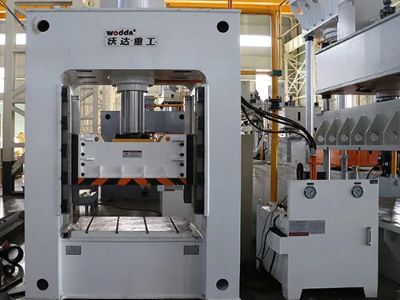
The increasing demand for frame hydraulic presses is being driven by several market trends that reflect the evolving needs of various industries. As manufacturers seek to optimize production processes and enhance operational efficiency, understanding these trends becomes crucial for purchasing managers and decision-makers in sectors like automotive, sheet metal, mining, and metallurgy. This article will explore the market trends driving demand for frame hydraulic presses in 2024, how to select the right press for specific needs, what key features to consider, the cost factors involved, and practical tips for contractors in the field.
Market Trends Influencing Frame Hydraulic Press Demand in 2024
In 2024, several key trends are shaping the demand for frame hydraulic presses. Firstly, the push towards automation in manufacturing is leading to higher efficiency and productivity. Frame hydraulic presses equipped with advanced controls and automation capabilities can reduce labor costs and improve product consistency. Secondly, the growing focus on sustainability drives the demand for equipment that minimizes energy consumption and waste. Hydraulic presses with energy-efficient designs and technologies are becoming increasingly attractive to manufacturers looking to reduce their carbon footprint. Additionally, the rise of lightweight materials in industries like automotive and aerospace is increasing the need for specialized hydraulic presses that can handle new material types and formulations. This trend necessitates presses that can operate under varying pressures and with precision to ensure quality in the final product. Finally, the globalization of supply chains means manufacturers are looking for reliable machinery that can meet international standards. Compliance with regulations, such as ISO9001 certifications, is becoming a critical factor in the purchasing process.
How to Choose the Right Frame Hydraulic Press for Your Needs?
Selecting the right frame hydraulic press requires a thorough understanding of your specific application and operational requirements. Begin by identifying the type of material you will be working with, as different materials may necessitate varying pressure levels and configurations. For instance, a press designed for forging may have different specifications than one intended for sheet metal applications. Next, consider the tonnage requirement, which is a critical specification that influences the press's capability. The appropriate tonnage depends on the thickness of the material and the desired output. Over-specifying tonnage can lead to unnecessary costs, while under-specifying can result in equipment failure or subpar product quality. Another important factor to consider is the press's operational speed and cycle time, which can significantly impact production efficiency. It is also essential to evaluate the press's compatibility with existing production equipment to ensure seamless integration into your manufacturing process. Lastly, consider any customization needs. Many manufacturers, including Shandong Woda Heavy frame hydraulic press offer tailored solutions that can accommodate unique production requirements, enhancing overall operational efficiency.
What to Look for in Frame Hydraulic Presses?
When evaluating frame hydraulic presses, there are several key features to assess. First, the frame structure should be robust and durable, capable of withstanding the high forces generated during operation without distortion. Look for presses with a proven track record in structural integrity. Second, hydraulic system design is critical. A well-engineered hydraulic system can improve responsiveness and reduce energy consumption. Advanced hydraulic presses may feature energy recovery systems that recycle h frame hydraulic press fluid, further enhancing efficiency. Additionally, consider the control system. Modern frame hydraulic presses often come equipped with advanced digital controls that allow for precise adjustments and real-time monitoring. This capability not only improves accuracy but also aids in troubleshooting and maintenance. Finally, assess the manufacturer's quality control processes. A reliable manufacturer should have stringent testing protocols in place to ensure that each machine meets high-performance standards before it reaches the customer.
Cost Factors Affecting Frame Hydraulic Press Purchases and Sourcing
Cost is a significant factor in the decision-making process for purchasing frame hydraulic presses. Several elements contribute to the overall cost, including the initial purchase price, installation expenses, and long-term operational costs. The initial price can vary widely based on the press's specifications, tonnage, and features. Buyers should also account for additional costs related to customization, which may include modifications to meet specific operational requirements. Installation costs can also add to the total expenditure. It is crucial to collaborate with an experienced supplier who can provide accurate installation support, as improper setup can lead to operational inefficiencies or equipment damage. Moreover, long-term operational costs, including maintenance, energy consumption, and the cost of replacement parts, should be factored into the total cost of ownership. Hydraulic presses with energy-efficient designs may offer savings over time, making them a more economical choice despite a higher upfront investment.
Tips for Contractors
For contractors working with frame hydraulic presses, several best practices can enhance operational efficiency and minimize issues. First, ensure that all operators are adequately trained on the specific press model being used. Familiarity with the machine’s controls and features can significantly reduce the risk of operational errors. Regular maintenance is crucial for keeping hydraulic presses in optimal working condition. Implementing a scheduled maintenance plan can prevent costly downtime and extend the lifespan of the equipment. Contractors should also be vigilant about monitoring hydraulic fluid levels and quality, as degraded fluid can affect press performance. Additionally, when sourcing c frame hydraulic press, consider establishing a relationship with a reputable manufacturer. A strong partnership can provide access to valuable resources, including technical support, spare parts, and troubleshooting assistance. Finally, before mass production, always request a sample run to verify that the equipment meets the specified performance criteria. This step will help identify any potential issues early in the process and ensure that the final product meets quality standards. By understanding these critical aspects, B2B buyers can make informed decisions when purchasing frame hydraulic presses, aligning their needs with the evolving market trends in 2024.