 EN
EN AR
AR BG
BG HR
HR CS
CS FR
FR DE
DE EL
EL HI
HI IT
IT JA
JA KO
KO PT
PT RO
RO RU
RU ES
ES TL
TL ID
ID LV
LV LT
LT SR
SR UK
UK VI
VI SQ
SQ TH
TH TR
TR MS
MS MK
MK HY
HY AZ
AZ KA
KA MN
MN KK
KK UZ
UZ KY
KY
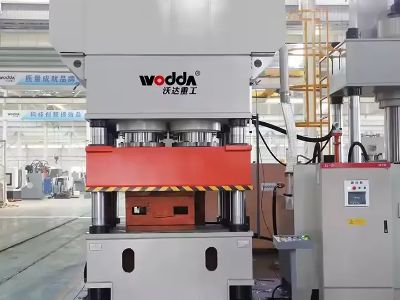
Избор правог хидрауличког штампа је од кључног значаја за оптимизацију ефикасности производње и испуњавање специфичних захтева за апликацију. У дебати о Хидрауличком пресу и С-Фрему, разумевање њихових разлика може помоћи менаџеру за куповину, инжењерима и менаџеру производа да доносе информисане одлуке. Овај чланак ће разјаснити кључне карактеристике, спецификације и примене обе врсте штампача, обрачунавајући заједничке забринутости и водећи купце у избору најпогодније опције за њихове индустријске потребе.
Како изабрати између хидрауличког штампа и С-рампе?
Када се одлучује између хидрауличког преса и преса Ц-фрема, треба узети у обзир неколико фактора. Прво, процени специфичне захтеве за апликацију. Облик хидрауличка преса машина обично су јачи и погоднији за тешке апликације као што су ковање и формирање метала, где су велика тонажа и стабилност од кључне важности. С друге стране, С-Фрејм Прессе су често свестранији и погоднији за лакше апликације, као што су монтажа и штампање, где су ограничења простора и лакоћа приступа важни.
Поред тога, размислите о распореду вашег производног окружења. Ако је простор на поду ограничен, C-Frame Press може бити погоднији због своје компактне конструкције. С друге стране, ако вам је потребна значајна снага и капацитет оптерећења, већи отпечатак рамке серво хидраулични штампач може бити оправдано.
На крају, процени потребан ниво аутоматизације. Хидрауличке пресе са оквиром често се могу интегрисати са напредним системима аутоматизације за повећање ефикасности производње, док су пресе са Ц-Фремом погодније за ручне операције или полуавтоматске процесе.
Кључне спецификације за поређење хидрауличког штампа и С-рампе
Приликом поређења хидрауличких преса са оквиром и преса са Ц-фрамом, фокусирајте се на следеће кључне спецификације:
Тонажни капацитет : Рам Хидрауличке пресе обично имају већи капацитет тонаже, што их чини идеалним за тешке индустријске апликације. Ово је од кључног значаја за процесе као што су ковање и формирање метала, где је потребан значајан притисак.
Димензије и тежина : Пресе за рамке имају тенденцију да буду веће и теже од модела Ц-Фреаме. Ова разлика утиче на преносивост и способност машине да се уклапа у постојеће радне токове.
Дужина удара : Дужина удара је значајан фактор који утиче на способност штампе да прихвате различите величине материјала. Хидраулички преси често пружају дуже потезе, омогућавајући дубљи формирање.
Брзина рада : С-Фрејм преси обично раде са већим брзинама, што их чини погоднијим за производне линије са великим запреминама где су брзи цикли од суштинског значаја.
Структурни дизајн : Дизајн оквира утиче на стабилност и вибрације током рада. Облик серво хидрауличка преса машина изграђени су за крутост, смањујући дефикцију под оптерећењем, док су Ц-Фреам Прессе дизајнирани за лак приступ и рад.
Проценити ове спецификације према захтевима за вашу апликацију помоћи ће вам да изаберете најприкладнију штампу за ваше потребе.
Хидраулички прес против Ц-фрејм преса
Основна разлика између хидрауличких преса и Ц-фрема преса лежи у њиховој конструкцији и погодности за примену. Хидраулички прес има снажну структуру коју подржавају четири стуба, пружајући врхунску стабилност и расподелу оптерећења. То га чини идеалним за апликације са високом снагом као што су ковање и формирање метала.
С друге стране, С-Фрејм Прес има компактнији дизајн, сличан слову "Ц". Ова конфигурација омогућава лакши приступ радном делу и обично се користи у лакшим апликацијама као што су монтажа и штампање. Иако Ц-Фреам Прессс могу ефикасно да се носе са умереним оптерећењима, можда неће постићи исту тонажу као и Фреам Хидраулиц Пресссс.
Још једна ствар коју треба узети у обзир је да је свака врста многострука. Хидрауличке пресе са оквиром могу да прихвате шири спектар алата и апликација због њиховог већег тонажа и прилагодљивих карактеристика, док су С-Фрејм пресе генерално ограничене на задате са мањом тонажом.
Примене рамних хидрауличких преса и Ц-фраме преса у индустрији
Хидраулички преси за оквире се широко користе у индустрији која захтева тешке апликације, као што су:
Производња аутомобила : Идеално за ковање компоненти и штампање делова тела.
Обрада метала : Погодан за савијање, притискање и формирање металних листова.
Аерокосмичка индустрија : Користи се за производњу структурних компоненти које захтевају високу прецизност и чврстоћу.
С друге стране, С-Фреам Прес-ови налазе своје примене у:
Сглобанке : Одличан за спајање делова на производњој линији где је потребан брз приступ.
Proizvodnja elektronike : Обично се користи за штампање и формирање мањих компоненти.
Инжекциони лимпинг пластике : Погодан за апликације које захтевају умерену снагу у компактном радном простору.
Разумевање специфичних примена за сваки тип штампе ће вас водити у избору одговарајуће опреме за ваше операције.
Техничке разлике између хидрауличког штампа и С-рампе
Техничке разлике између хидрауличких преса и Ц-фрема преса значајно утичу на њихову оперативну ефикасност и погодност за различите задатке.
Структурна интегритет : Храм Хидраулички преси имају конструкцију са четири колоне која обезбеђује одличну стабилност и смањену вибрацију током рада. Ова стабилност је критична у високопрецизним апликацијама где су неопходне униформитет и конзистенција.
Хидраулички систем : Оба типа штампа користе хидрауличне системе, али рамне хидрауличне штампе често укључују сложеније системе који могу да се носе са већим притисцима. Ова способност омогућава већу флексибилност у алатима и примене.
Опције прилагођавања : Храм Хидрауличке пресе обично нуде више опција прилагођавања, укључујући подешаване дужине удара, компатибилност алата и функције аутоматизације. Ова прилагодљивост може довести до побољшане продуктивности у специјализованим производним процесима.
Потребе за одржавање : Ц-Фреам Прессс могу имати једноставније потребе за одржавањем због њихове мање сложене структуре, док Рам Хидраулиц Пресссс, иако је чврстији, може захтевати чешће инспекције и одржавање због својих већих оперативних захтева.
Разматрања трошкова : Општо, хидрауличне пресе са оквиром су скупље због њихове величине, капацитета и могућности. Купци треба да претеже почетну инвестицију према потенцијалним дугорочним користима повећане продуктивности и свестраности.
Разумејући ове техничке нијансе, менаџери за куповину и инжењери могу да процењују која преса најбоље одговара њиховим оперативним захтевима и буџету.