 EN
EN AR
AR BG
BG HR
HR CS
CS FR
FR DE
DE EL
EL HI
HI IT
IT JA
JA KO
KO PT
PT RO
RO RU
RU ES
ES TL
TL ID
ID LV
LV LT
LT SR
SR UK
UK VI
VI SQ
SQ TH
TH TR
TR MS
MS MK
MK HY
HY AZ
AZ KA
KA MN
MN KK
KK UZ
UZ KY
KY
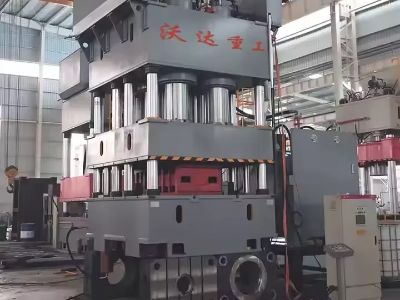
Understanding the essential certifications for frame hydraulic press exports is crucial for buyers in the manufacturing sector. These certifications not only ensure compliance with industry standards but also enhance the credibility of suppliers. As a purchasing manager or engineer, ensuring that hydraulic presses meet safety, environmental, and performance standards can significantly influence operational efficiency and product quality. This article will explore the key certifications, how to evaluate quality, common issues, and material advantages in frame hydraulic moulding press design.
Essential Certifications for Reliable Frame Hydraulic Press Exports
When considering frame hydraulic presses for export, it’s important to be aware of the certifications that reflect the quality and reliability of the machinery. Key certifications include:
ISO 9001: This certification indicates that the manufacturer adheres to international quality management standards. It focuses on consistent quality in products and services, which is essential for machinery that must perform reliably under pressure.
CE Marking: Required for products sold in the European Economic Area, CE marking signifies that the 315 ton hydraulic press complies with EU safety, health, and environmental protection standards. This certification is vital for ensuring that the machinery is safe for use and meets the necessary regulatory requirements.
National High-tech Enterprise Certification: In China, this certification indicates that the company has met specific technological and innovation criteria, ensuring that the hydraulic presses are manufactured using advanced processes and technologies.
Patents: While not a certification, having patents for unique designs or technologies can assure buyers of the innovation and quality behind the products. It indicates a commitment to research and development, which can lead to improved machine performance.
These certifications not only serve as a quality assurance mechanism but also help in building trust with potential buyers and reducing risks associated with machinery failures.
How to Evaluate Quality Certifications for Hydraulic Presses?
Evaluating the quality certifications of hydraulic presses involves several steps:
Request Documentation: Always ask suppliers for copies of their certifications. Verify the authenticity of the documents and check their validity dates.
Understand Certification Scope: Not all certifications cover the same aspects. Be specific about what you need. For example, if you require a machine for a particular application, ensure the certifications include that use case.
Check for Compliance with Local Regulations: Depending on the target market, certain certifications may be mandatory. Familiarize yourself with local regulations to ensure compliance.
Assess Manufacturer Reputation: Research the manufacturer’s history and reputation in the marketplace. A company with a strong track record is likely to prioritize quality and compliance.
Consider Third-Party Testing: Independent third-party testing can further validate a manufacturer’s claims regarding certifications. This 500t hydraulic press adds another layer of reliability to the evaluation process.
Practical Insight:
When reviewing certifications, be alert to the fact that some suppliers may present outdated or irrelevant certifications. Always cross-reference with industry standards and local regulations to ensure that the machinery is compliant with current requirements.
What to Know?
In addition to certifications, there are several other factors to consider when purchasing frame hydraulic presses:
Specifications and Performance Requirements: Understand the specific performance needs for your application, such as load capacity, stroke length, and cycle time. This will help you select the right model.
Customization Options: Many manufacturers, including Shandong Woda Heavy Machinery, offer customization options to better fit your operational needs. Discuss available modifications to ensure the machinery aligns with your production processes.
Quality Control Processes: Inquire about the quality assurance practices employed during manufacturing. A robust quality control system can significantly reduce the likelihood of defects and operational failures.
Lead Time and Delivery: Understand the production lead times and delivery logistics. This can impact your production schedules and should be factored into your purchasing decision.
Practical Insight:
Buyers should always request detailed specifications and a list of materials used in the frame hydraulic press to ensure they meet operational requirements. This transparency can prevent issues during installation and operation.
Common Problems with Hydraulic Presses and Their Solutions
Even high-quality hydraulic presses can encounter problems. Here are common issues and their solutions:
Hydraulic Fluid Leaks: This is a frequent problem that can lead to inefficiency and safety hazards. Regular inspection of seals and hoses can help identify potential leaks early. Utilizing high-quality hydraulic fluids can also reduce the risk of leaks.
Overheating: Hydraulic presses can overheat due to excessive workload or inadequate cooling systems. Ensure that the press is not operated beyond its rated capacity and that cooling systems are functioning properly.
Misalignment of Components: Misalignment can cause uneven wear and tear, leading to premature failure. Regular maintenance checks and proper installation can help mitigate this issue.
Control System Failures: Electronic control systems may fail due to software issues or hardware malfunctions. Regular software updates and hardware checks can prevent these failures.
Practical Insight:
Implementing a routine maintenance schedule is essential for prolonging the life of hydraulic presses. Training staff on operational best practices can also minimize operational errors that lead to problems.
Understanding Material Advantages in Frame Hydraulic Press Design
The materials used in the construction of frame hydraulic presses significantly impact their performance, durability, and application suitability. Key considerations include:
Steel Types: High-strength steels are often used in hydraulic press frames for their ability to withstand high pressures without deformation. For specific applications, consider the tensile strength and yield strength of the material.
Corrosion Resistance: Depending on the operational environment, selecting materials that resist corrosion can enhance the longevity of the press. Stainless steel or treated metals can be beneficial in harsh conditions.
Weight Considerations: The weight of the hydraulic press can affect installation and operational efficiency. Lighter materials may be preferred for applications requiring mobility, while heavier materials may provide stability for high-load operations.
Surface Treatments: Surface treatments such as coatings can improve wear resistance and reduce friction. Consider these options based on the expected operational environment and usage frequency.
Practical Insight:
When selecting materials, it is essential to balance strength, weight, and cost. Discuss with your supplier the specific requirements of your application to ensure optimal material selection for your hydraulic press.
In summary, understanding the essential certifications for frame hydraulic press exports, evaluating quality, and being aware of common issues and material advantages are crucial for making informed purchasing decisions. This knowledge helps ensure that the hydraulic presses you select will perform reliably and meet your operational needs.