 EN
EN AR
AR BG
BG HR
HR CS
CS FR
FR DE
DE EL
EL HI
HI IT
IT JA
JA KO
KO PT
PT RO
RO RU
RU ES
ES TL
TL ID
ID LV
LV LT
LT SR
SR UK
UK VI
VI SQ
SQ TH
TH TR
TR MS
MS MK
MK HY
HY AZ
AZ KA
KA MN
MN KK
KK UZ
UZ KY
KY
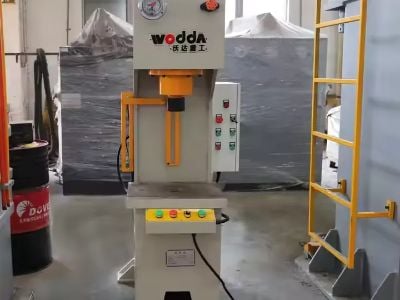
Frame hydraulic presses are essential machinery used in the molding of composite materials, providing the necessary force and precision for effective production. For B2B buyers—such as purchasing managers, engineers, and product managers—selecting the right hydraulic pressing machine involves several critical considerations, including specifications, quality, supplier reliability, cost factors, and installation guidance. This article will explore these elements to help you make informed purchasing decisions.
What to Consider When Choosing Frame Hydraulic Presses for Composites?
When selecting frame hydraulic presses for composite material molding, several key factors should be taken into account. First, evaluate the machine's specifications, including tonnage, stroke length, and overall dimensions. The tonnage required often depends on the specific composite materials being molded; for instance, denser composites may need higher tonnage to achieve optimal results.
Next, consider the structure of the press. Frame hydraulic press automatic typically come in various configurations, such as 3-beam and 4-column designs. The choice between these designs can affect stability and pressure distribution, which are crucial for achieving uniform molding results. Additionally, look for features like adjustable speed and pressure settings, which can enhance versatility across different composite applications.
Another important consideration is the compatibility of the hydraulic press with existing production equipment. Ensure that the selected model can integrate seamlessly into your current manufacturing setup to minimize disruptions during production.
How to Evaluate the Quality of Hydraulic Presses for Composite Use?
Evaluating the quality of hydraulic presses for composite use involves a comprehensive examination of materials and construction. Look for presses constructed from high-grade steel and with robust welds, as these features contribute to the machine's durability and longevity.
Quality control processes are also essential. A reputable manufacturer should provide documentation regarding their quality assurance procedures, such as ISO 9001 certifications, which indicate adherence to international quality management standards. Additionally, inquire about the testing protocols used during production, including pressure testing and performance evaluations, to ensure that the press meets the required specifications before shipment.
One practical tip for buyers is to request a sample of the product or a demonstration of the machine in action. This allows you to assess not only the build quality but also the machine's operational efficiency and suitability for your specific molding processes.
Reliable Suppliers for Wholesale Frame Hydraulic Presses in Bulk
Finding reliable suppliers for wholesale frame hydraulic presses requires thorough research and evaluation. Start by seeking manufacturers with a proven track record in the industry, such as Shandong Woda Heavy Machinery, known for its focus on research and development in forging machine tools. Assess their experience, especially in supplying machines for composite material applications, as this can significantly impact the performance and reliability of your presses.
When considering suppliers, also check their export capabilities and customer base. Suppliers who serve diverse markets including Central Asia and Europe—often have refined processes and can better understand international standards and regulations. Additionally, inquire about their after-sales services, including technical support and maintenance options, as these can be critical in ensuring long-term operational success.
Another way to gauge supplier reliability is through customer testimonials and case studies. Reach out to previous clients to learn about their experiences, particularly regarding machine performance and support services.
Cost Factors to Assess When Purchasing Hydraulic Presses for Molding
Cost is a significant factor when purchasing frame hydraulic presses for composite molding. Key considerations include the initial purchase price, operational costs, and potential maintenance expenses over the machine's lifespan.
The initial price can vary widely based on specifications, features, and the supplier. Be sure to compare quotes from multiple manufacturers, but also consider the quality and reliability of the equipment. A lower-priced auto hydraulic press machine may lead to higher operational costs if it requires frequent repairs or lacks energy efficiency.
Operational costs are influenced by factors such as energy consumption, which can be substantial in hydraulic systems. Look for presses that are designed for energy efficiency, as this can help reduce long-term expenses. Additionally, consider the availability of spare parts and the ease of maintenance, as these can affect ongoing costs and machine uptime.
Lastly, inquire about the minimum order quantity (MOQ) and any bulk purchase discounts. Understanding these factors can help you negotiate better terms and optimize your budget for the hydraulic presses.
Installation Guidance for Frame Hydraulic Presses in Composite Manufacturing
Proper installation of frame hydraulic presses is crucial for optimal performance and safety. Begin by reviewing the manufacturer's installation guidelines, which typically include specifications for site preparation, foundation requirements, and electrical connections.
Ensure that the installation site is adequately prepared to accommodate the press's dimensions and weight. A solid foundation is essential to support the machine and minimize vibrations during operation. If the press is particularly large or heavy, it may require specialized equipment for installation.
During the installation process, it's vital to have experienced technicians perform the setup. They should verify that all hydraulic lines and electrical connections are correctly installed to prevent operational issues. Additionally, conduct a thorough inspection before startup to ensure everything is in order.
After installation, proper training for operators is essential. Ensure that your team understands the machine's controls, safety features, and maintenance protocols to optimize the use of the hydraulic press and ensure a safe working environment.
By considering these factors, B2B buyers can make informed decisions when purchasing frame hydraulic presses for composite material molding, leading to improved manufacturing efficiency and product quality.
Table of Contents
- What to Consider When Choosing Frame Hydraulic Presses for Composites?
- How to Evaluate the Quality of Hydraulic Presses for Composite Use?
- Reliable Suppliers for Wholesale Frame Hydraulic Presses in Bulk
- Cost Factors to Assess When Purchasing Hydraulic Presses for Molding
- Installation Guidance for Frame Hydraulic Presses in Composite Manufacturing