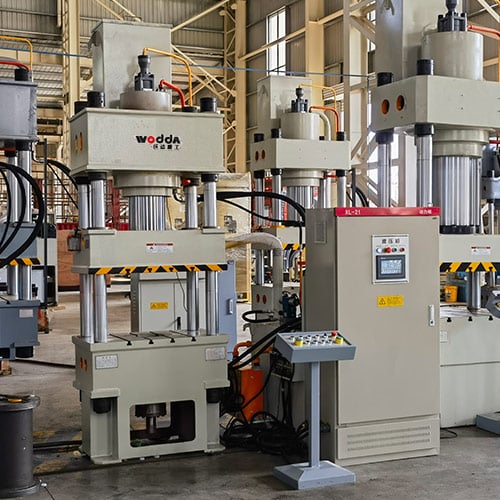
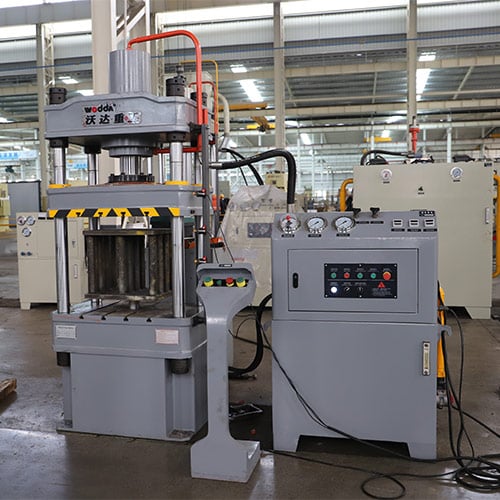
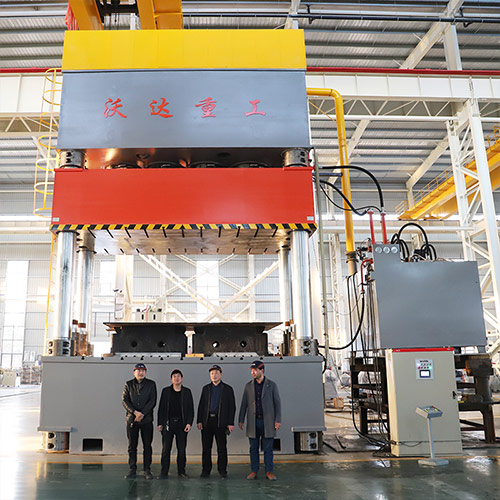
When considering the purchase of a hydraulic press machine, it is crucial to understand the various aspects that influence your selection. As a leading auto hydraulic press machine manufacturer, Shandong Woda Heavy Machinery specializes in producing high-quality equipment tailored for a range of industries, including automotive, sheet metal, mining, and metallurgy. This article aims to help you navigate the complexities of choosing the right hydraulic press, focusing on key specifications, supplier evaluation, common issues, and industrial applications.
Selecting the right hydraulic press machine involves understanding your specific requirements based on the intended application. Begin by assessing the type of operations you plan to conduct—such as forging, punching, or straightening—as each application may necessitate different servo hydraulic press machine features.
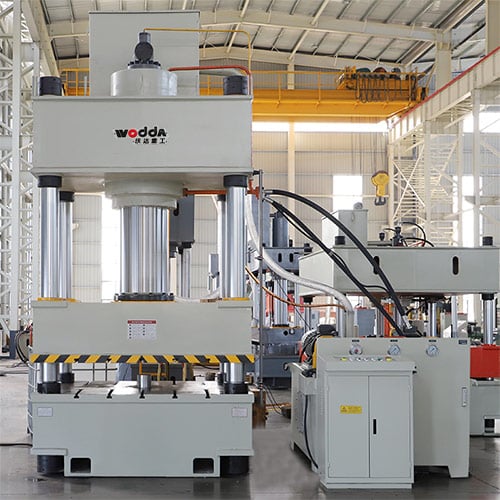
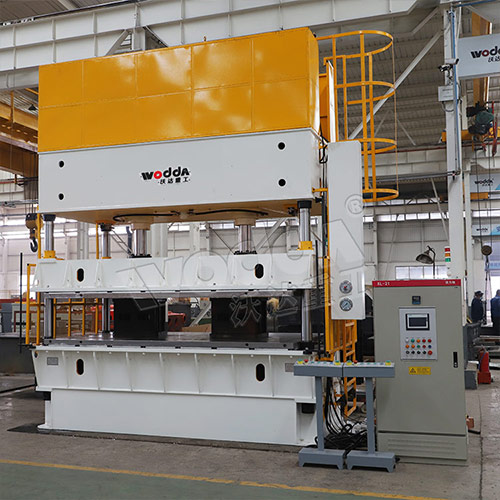
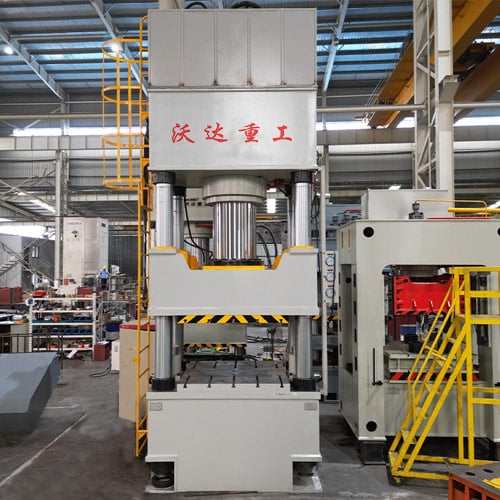
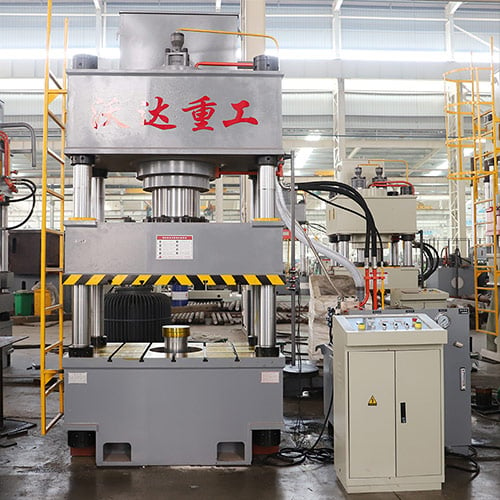
Consider the capacity and tonnage needed for your operations. For instance, heavier operations may require a more robust machine with higher tonnage capacity. Additionally, the machine's configuration, such as a 3-beam or 4-column design, can influence its stability and precision, impacting the quality of the final product.
Customization options also play a vital role. Many manufacturers, including Shandong Woda, offer tailored solutions that can accommodate unique production processes. Ensuring that the selected hydraulic press aligns with your operational needs will lead to improved efficiency and productivity.
When sourcing hydraulic presses, several key specifications should be evaluated to ensure optimal performance:
Tonnage Capacity: This indicates the maximum load the press can handle. It should be chosen based on the material and type of operation, as insufficient capacity can lead to equipment failure or substandard output.
Stroke Length: The stroke length determines how far the press can move the ram. Longer strokes are beneficial for larger workpieces or more complex operations.
Working Pressure: This is the maximum pressure the hydraulic system can sustain. It needs to align with the operational requirements to ensure efficiency without compromising safety.
Cycle Time: Understanding the cycle time is crucial for productivity. Faster cycle times lead to increased output, but the balance between speed and quality must be maintained.
Energy Efficiency: Look for hydraulic presses that incorporate energy-efficient technologies, which can reduce operational costs over time.
Safety Features: Enhanced safety mechanisms, such as emergency stops and overload protection, are essential for worker safety and equipment longevity.
Evaluating these specifications allows for a better understanding of the hydraulic press’s capabilities and how they align with your production goals.
Finding a reliable hydraulic press machine manufacturer is critical to ensuring quality and service. Start by researching established manufacturers with a track record of success in the industry. Look for suppliers that hold relevant certifications, such as ISO9001 and EU CE, which indicate adherence to international quality standards.
You can also check customer reviews and testimonials to gauge the reliability and service quality of potential suppliers. Engaging with industry networks or attending trade shows can provide insights into reputable manufacturers. Shandong Woda Heavy Machinery, for instance, has a strong presence across various markets and is recognized for its commitment to quality and innovation.
Once you identify potential suppliers, it's beneficial to request detailed quotations that include specifications, lead times, and pricing. This allows for a direct comparison of options before making a decision.
Despite their robust design, hydraulic presses are not immune to issues that can affect performance. Here are some common problems and their potential solutions:
Hydraulic Leaks: Often caused by worn seals or loose fittings, leaks can lead to decreased performance. Regular maintenance checks and prompt replacement of seals can mitigate this issue.
Overheating: This can occur due to prolonged operation or inadequate cooling systems. Ensuring proper cooling and allowing for breaks can help prevent overheating.
Inconsistent Pressure: Variability in pressure can result from faulty hydraulic components or air trapped in the system. Routine inspections and bleeding air from the system can resolve these inconsistencies.
Misalignment: Misalignment can cause uneven pressure distribution, leading to faults in the finished product. Regular alignment checks and adjustments are recommended.
Electrical Failures: These may arise from wiring issues or malfunctioning components. Keeping electrical systems well-maintained and promptly addressing any errors can prevent operational downtime.
Understanding these common problems can prepare buyers to take proactive steps in maintenance and troubleshooting, ensuring consistent performance from their steel door hydraulic press machine.
In the fields of automobile manufacturing, mechanical processing, hardware and electrical appliances, it provides customers with customized hydraulic press solutions. Products are widely used in automobile manufacturing, sheet metal processing, animal husbandry, mining, metallurgy, environmental protection, transportation and power generation.
Always adhering to the service concept of "achieving customers and people-oriented", it provides customers with 24-hour online Q&A services to ensure that any problems encountered by customers during use can be solved in a timely manner. The company has a professional R&D team and technical support personnel who can respond to customer needs quickly.
Provide one-stop service, covering customized design, production and manufacturing, installation and commissioning, and after-sales service of hydraulic presses. The main products include three-beam four-column hydraulic presses, single-column hydraulic presses and other types to meet the diverse needs of customers in different industries.
Shandong Woda Heavy Machinery Co., Ltd. has dozens of national patent certificates with years of industry experience and technical accumulation, which fully demonstrates its innovative ability and technical strength in the field of forging machine tools. The company has passed the EU CE certification and ISO9001 international quality management system certification.
Hydraulic press machines find applications across a myriad of industries, each with unique requirements:
Automotive Industry: Used for forming and assembling parts, hydraulic presses play a crucial role in manufacturing automotive components, ensuring precision and strength.
Metalworking and Sheet Metal Fabrication: Hydraulic presses are essential for bending, punching, and shaping metal sheets, providing the necessary force to achieve desired forms.
Mining and Metallurgy: In these sectors, hydraulic presses are employed for forging and shaping metal ore, ensuring high strength and durability of the end products.
Plastic and Rubber Industries: Hydraulic presses are utilized for molding and shaping plastic and rubber components, where temperature control and pressure consistency are vital.
Manufacturing of Aerospace Components: Precision hydraulic presses are used to produce critical components that require high tolerances, ensuring safety and reliability.
Understanding the specific applications of hydraulic presses can aid buyers in selecting the right equipment tailored to their industry needs, enhancing operational efficiency and product quality.
By considering these factors and insights, businesses can make informed decisions when sourcing hydraulic press machines, ensuring they meet both current and future production demands.
Copyright © Shandong Woda Heavy Machinery Co., Ltd. All Rights Reserved. - Privacy Policy - Blog
 EN
EN AR
AR BG
BG HR
HR CS
CS FR
FR DE
DE EL
EL HI
HI IT
IT JA
JA KO
KO PT
PT RO
RO RU
RU ES
ES TL
TL ID
ID LV
LV LT
LT SR
SR UK
UK VI
VI SQ
SQ TH
TH TR
TR MS
MS MK
MK HY
HY AZ
AZ KA
KA MN
MN KK
KK UZ
UZ KY
KY