 EN
EN AR
AR BG
BG HR
HR CS
CS FR
FR DE
DE EL
EL HI
HI IT
IT JA
JA KO
KO PT
PT RO
RO RU
RU ES
ES TL
TL ID
ID LV
LV LT
LT SR
SR UK
UK VI
VI SQ
SQ TH
TH TR
TR MS
MS MK
MK HY
HY AZ
AZ KA
KA MN
MN KK
KK UZ
UZ KY
KY
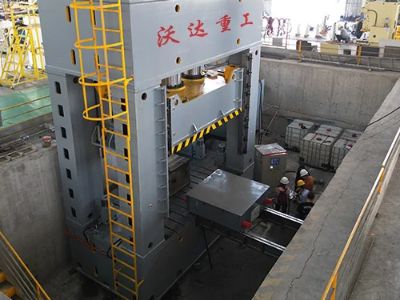
High-quality frame hydraulic presses are essential tools in various industries, including automotive, sheet metal, mining, and metallurgy. As a purchasing manager or engineer, understanding what makes a high-quality frame hydraulic press factory is crucial for ensuring reliability, efficiency, and cost-effectiveness in your operations. This article will delve into key specifications for selecting hydraulic presses, where to find trustworthy suppliers, wholesale purchasing tips, cost factors, and common installation issues, equipping you with the knowledge to make informed decisions.
Key Specifications to Consider for Hydraulic Press Selection
When selecting a hydraulic press, buyers should focus on several critical specifications:
Press Capacity: The tonnage rating indicates the maximum load the press can handle. It's essential to choose a capacity that aligns with your intended applications, whether for forging, stamping, or bending. Insufficient capacity can lead to equipment failure or subpar product quality.
Frame Design: Frame configuration affects stability and performance. A 3-beam 4-column design, for example, provides excellent load distribution and rigidity, enhancing the press's overall efficiency. Ensure the design meets your specific operational needs.
Stroke Length and Speed: The stroke length determines the depth of the pressing operation. A longer stroke may be necessary for certain applications, while speed affects productivity. Buyers should evaluate these parameters based on their production requirements.
Materials and Construction: The quality of materials used in the press's construction, such as high-grade steel, impacts durability and performance. Look for factories that utilize advanced manufacturing techniques and materials to ensure longevity.
Control Systems: Modern c frame hydraulic press often come with advanced control systems that improve precision and ease of use. Automated features may enhance productivity but may require additional training for operators.
Safety Features: Verify the presence of necessary safety features such as emergency stop buttons, safety guards, and overload protection systems. These elements are crucial for ensuring operator safety and compliance with industrial regulations.
Understanding these specifications helps buyers make informed choices tailored to their operational needs, ensuring optimal performance and longevity of the equipment.
Where to Find Reliable Suppliers of Hydraulic Press Equipment?
Finding reliable suppliers of hydraulic press equipment involves thorough research and evaluation. Here are some effective strategies:
Industry Directories and Trade Shows: Utilize industry-specific directories and attend trade shows focusing on manufacturing and industrial equipment. These platforms provide opportunities to interact with manufacturers, view product demonstrations, and gather detailed information about offerings.
Online Marketplaces: Websites like Alibaba or Made-in-China feature numerous suppliers. Look for manufacturers with verified ratings, positive customer feedback, and substantial experience in the industry.
Networking: Join industry associations or forums where professionals discuss their experiences with suppliers. Personal recommendations can lead you to trustworthy manufacturers that may not be as visible online.
Certifications and Compliance: Verify if the supplier holds relevant certifications such as ISO9001, CE, or other industry standards. These certifications indicate that the manufacturer adheres to quality management practices and regulatory compliance.
Factory Visits: If possible, visiting a supplier's factory can provide insights into their manufacturing processes, quality control measures, and overall operational capabilities. This firsthand experience can be invaluable in assessing the supplier's reliability.
By considering these resources, buyers can identify reputable suppliers, ensuring they source high-quality frame hydraulic press that meet their operational requirements.
Wholesale Purchasing Tips for Frame Hydraulic Press Buyers
When purchasing hydraulic presses in bulk, several key tips can help streamline the process and improve outcomes:
Request Detailed Quotations: When reaching out for quotes, provide detailed specifications, including press capacity, stroke length, and any customization requirements. This clarity helps suppliers provide accurate pricing and lead times.
Negotiate Terms: Don't hesitate to negotiate pricing, especially for larger orders. Suppliers may offer discounts for bulk purchases or flexible payment terms, which can significantly impact your overall cost.
Assess Minimum Order Quantities (MOQ): Understand the supplier's MOQ for h frame hydraulic press machine. Some manufacturers may require a minimum number of units per order, which could affect your purchasing strategy.
Check Samples: Before committing to a large order, request samples or prototypes. Testing these samples under actual operating conditions helps confirm that the product meets your quality standards and performance expectations.
Evaluate Shipping and Delivery Options: Discuss logistics with the supplier, including shipping methods, lead times, and costs. Understanding these factors in advance can help prevent delays and unexpected expenses.
Review Warranty and Support Services: Ensure that the supplier offers a comprehensive warranty and after-sales support. This safety net can save costs and time in case of defects or operational issues.
Implementing these tips can lead to successful wholesale purchases, maximizing value and minimizing risks.
Understanding the Cost Factors of Frame Hydraulic Presses
Several factors influence the cost of frame hydraulic presses, and understanding these can help buyers budget accurately and negotiate effectively:
Materials and Construction: The quality of materials significantly affects the price. High-grade steel and advanced manufacturing techniques may increase costs, but they also enhance durability and reduce long-term maintenance expenses.
Customization: Customized features tailored to specific applications can increase the overall cost. Buyers should weigh the benefits of customization against additional expenses to ensure they meet operational needs without overspending.
Capacity and Size: Larger presses with higher tonnage ratings generally come with a higher price tag. Buyers must assess their production needs to avoid investing in more capacity than necessary.
Technology and Features: Advanced control systems, automation features, and safety enhancements can raise initial costs but may lead to increased efficiency and reduced labor costs in the long run.
Supplier Reputation: Established suppliers with a proven track record may charge premium prices due to their expertise and reliability. It’s often worth investing in a reputable supplier to ensure quality and support.
Shipping and Installation: Consider logistical costs associated with shipping and installation. Buyers should request detailed shipping estimates and clarify who will be responsible for installation and any associated costs.
By understanding these cost factors, buyers can make informed decisions that align with their budgets while meeting operational requirements.
Common Installation Issues with Frame Hydraulic Presses and Solutions
Effective installation of frame hydraulic presses is crucial for optimal performance. However, buyers may encounter common issues during the installation phase. Here are some potential challenges and their solutions:
Alignment Problems: Misalignment of the press can lead to uneven pressure distribution, affecting product quality. To prevent this, ensure that the foundation is level and sturdy. Utilize alignment tools during installation to confirm proper alignment before finalizing setup.
Hydraulic System Leaks: Leaks in the hydraulic system can occur if connections are not properly secured. During installation, double-check all connections, seals, and fittings. Regular inspections post-installation can help identify and rectify leaks early.
Electrical Connection Issues: Improper electrical connections can lead to operational failures. Ensure that all electrical components are installed according to the manufacturer’s specifications and local electrical codes. Engage qualified personnel for this aspect of the installation.
Inadequate Space: Sometimes, the installation location may not provide adequate space for operation or maintenance. Before installation, evaluate the workspace to ensure there’s enough clearance for both operational use and future maintenance needs.
Operator Training: Insufficient training can lead to operational errors or equipment damage. Ensure that operators are trained on the specific press model and its controls. Providing comprehensive training reduces the likelihood of misuse.
By anticipating these common installation issues and implementing effective solutions, buyers can enhance the operational efficiency of their hydraulic presses, leading to a smoother production process.
Table of Contents
- Key Specifications to Consider for Hydraulic Press Selection
- Where to Find Reliable Suppliers of Hydraulic Press Equipment?
- Wholesale Purchasing Tips for Frame Hydraulic Press Buyers
- Understanding the Cost Factors of Frame Hydraulic Presses
- Common Installation Issues with Frame Hydraulic Presses and Solutions