 EN
 AR
 BG
 HR
 CS
 FR
 DE
 EL
 HI
 IT
 JA
 KO
 PT
 RO
 RU
 ES
 TL
 ID
 LV
 LT
 SR
 UK
 VI
 SQ
 TH
 TR
 MS
 MK
 HY
 AZ
 KA
 MN
 KK
 UZ
 KY

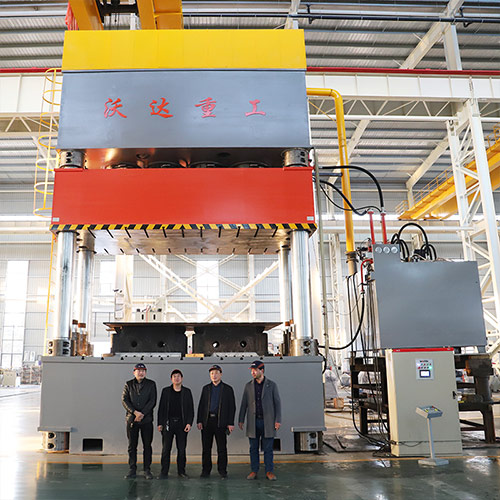
When considering the acquisition of a fiberglass press machine, various key specifications must be evaluated to ensure the equipment meets your production needs. These machines are vital in industries such as automotive, sheet metal, and other manufacturing processes where fiberglass materials are prevalent. Understanding these specifications will help you address concerns related to quality, efficiency, and performance, ultimately leading to a more informed purchasing decision.
Key Specifications to Compare When Choosing a Fiberglass Press Machine
When selecting a fiberglass press machine, several specifications should be at the forefront of your evaluation:
Pressing Force: The pressing force determines the machine's ability to shape and mold fiberglass effectively. Ensure the machine can deliver the required tonnage for your specific applications.
Dimensions: The size of the press is crucial for compatibility with your existing production lines. Assess the dimensions to ensure it fits within your operational space while accommodating the size of your fiberglass components.
Cycle Time: Faster cycle times can significantly enhance productivity. Evaluate the machine's ability to complete each cycle quickly without compromising quality.
Hydraulic System: The hydraulic system's efficiency directly impacts performance. Look for machines equipped with high-quality hydraulic components to ensure durability and reliability.
Control Systems: Advanced control systems allow for better monitoring and adjustments during operations. Consider options that provide ease of use and precision in machine settings.
Material Compatibility: Ensure the machine is compatible with the specific types of fiberglass and additives you use. Different fiberglass formulations may require unique processing conditions.
What to Look for in Fiberglass Press Machine Quality and Performance
Quality and performance are critical when investing in a fiberglass press machine. Here are factors to consider:
Build Quality: Examine the materials used in the machine's construction. High-grade steel and robust components enhance longevity and withstand operational stresses.
Precision Engineering: Look for machines that offer high precision in pressing. This ensures consistent product quality and reduces waste due to defects.
Safety Features: Safety is paramount in manufacturing environments. Ensure the machine includes features like emergency stop buttons, safety guards, and overload protection systems.
Energy Efficiency: Machines that operate efficiently can lead to significant cost savings. Check for energy ratings and inquire about the machine's power consumption during operation.
After-Sales Support: Evaluate the manufacturer's service capabilities. A strong after-sales support system for maintenance and repairs is essential for minimizing downtime.
Installation Guidance for Your New Fiberglass Press Machine
Proper installation is critical for optimal performance. Follow these guidelines:
Site Preparation: Ensure the installation site is level and capable of supporting the machine's weight. Check for adequate space around the machine for maintenance access.
Electrical Requirements: Confirm the machine's electrical needs before installation. Ensure that your facility can accommodate the required voltage and amperage.
Hydraulic Connections: If the machine operates hydraulically, ensure all connections are tight and leak-free upon installation. Test the hydraulic system thoroughly before starting production.
Calibration: After installation, calibrate the auto hydraulic press machine according to the manufacturer's specifications. This includes setting the control parameters and testing the pressing force.
Training: Ensure that operators are trained on the machine's operation and safety protocols. This reduces the risk of accidents and enhances overall productivity.
Key Features to Assess in Wholesale Fiberglass Press Machine Orders
When placing a wholesale order for fiberglass press machines, consider these features:
Customization Options: Many manufacturers offer customization to meet specific production needs. Discuss your requirements to ensure the machine fits your operational processes.
Production Capacity: Assess the machine's production capacity to ensure it aligns with your output goals. This includes evaluating the number of cycles per hour and the maximum size of components.
Quality Control Features: Look for machines that incorporate automated quality control checks. Features like pressure sensors and temperature controls can help maintain consistent quality.
Warranty and Maintenance Plans: Evaluate warranty options and maintenance plans offered by the manufacturer. A robust warranty can protect your investment and reduce long-term costs.
Lead Time and MOQ: Understand the manufacturer's lead times and minimum order quantities (MOQ). This information is crucial for planning your production schedules and inventory management.
Applications of Fiberglass Press Machines in Various Industries
Fiberglass press machines play a pivotal role across multiple industries:
Automotive Industry: These machines are essential for producing lightweight composite parts, such as body panels and interior components, contributing to vehicle efficiency and performance.
Aerospace: In the aerospace sector, fiberglass press machines are used to create strong, lightweight materials required for aircraft structures, enhancing fuel efficiency.
Construction: Fiberglass components are widely used in construction for insulation, panels, and decorative elements. Press machines provide the necessary shaping and molding capabilities.
Marine Industry: The marine sector relies on fiberglass for boat hulls and other components. Servo hydraulic press machine ensure the creation of durable and water-resistant parts.
Consumer Goods: From sports equipment to household items, fiberglass press machines are used to manufacture a variety of consumer products that require strength and durability.
In summary, when evaluating fiberglass press machines, understanding key specifications, performance indicators, and industry applications is essential for making informed purchasing decisions. Prioritize features that align with your production needs and operational goals to maximize your investment.
Table of Contents
- Key Specifications to Compare When Choosing a Fiberglass Press Machine
- What to Look for in Fiberglass Press Machine Quality and Performance
- Installation Guidance for Your New Fiberglass Press Machine
- Key Features to Assess in Wholesale Fiberglass Press Machine Orders
- Applications of Fiberglass Press Machines in Various Industries