 EN
EN AR
AR BG
BG HR
HR CS
CS FR
FR DE
DE EL
EL HI
HI IT
IT JA
JA KO
KO PT
PT RO
RO RU
RU ES
ES TL
TL ID
ID LV
LV LT
LT SR
SR UK
UK VI
VI SQ
SQ TH
TH TR
TR MS
MS MK
MK HY
HY AZ
AZ KA
KA MN
MN KK
KK UZ
UZ KY
KY
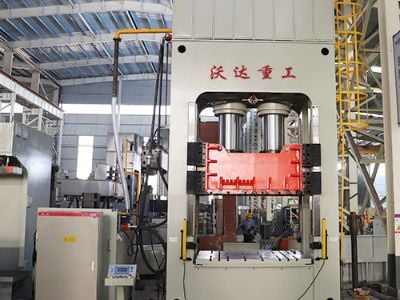
Frame hydraulic presses are essential tools in various manufacturing processes, enhancing production efficiency across industries such as automotive, metallurgy, and more. These machines utilize hydraulic force to compress materials, enabling tasks such as forging, punching, and straightening. As a purchasing manager or engineer, understanding how frame hydraulic presses improve production efficiency can inform your decision-making and ensure optimal performance in your operations. This article will explore their benefits, supplier reliability, product quality evaluation, installation guidance, and how to choose the right model for your needs.
How Frame Hydraulic Presses Enhance Production Efficiency?
Frame hydraulic presses are designed for high-performance applications, providing significant advantages that contribute to production efficiency. Their robust construction allows for consistent pressure application, which is crucial for processes like forging and punching. This consistency leads to reduced cycle times and enhanced output, as the machines can operate at higher speeds without sacrificing quality. Moreover, these presses can handle various materials, including metals and composites, which broadens their applicability across different sectors. The versatility of c frame hydraulic press presses also means they can be customized to meet specific production requirements, further enhancing their efficiency. By investing in a frame hydraulic press, manufacturers can streamline their operations, reduce waste, and improve overall productivity.
Reliable Suppliers for Hydraulic Press Machines
Choosing a reliable supplier is critical when purchasing frame hydraulic presses. Look for manufacturers with a proven track record in the industry, such as Shandong Woda Heavy Machinery, which specializes in the research, development, and production of hydraulic presses and related machinery. Verify that the supplier holds relevant certifications, such as ISO9001 and EU CE, which indicate adherence to international quality standards. Additionally, consider the supplier's experience in your specific industry, whether it’s automotive, metallurgy, or another sector. A supplier familiar with your application can provide tailored solutions and support. Customer testimonials and case studies can also offer insights into the supplier's reliability and the performance of their equipment in real-world scenarios.
Evaluating Product Quality in Frame Hydraulic Press Purchases
When evaluating frame hydraulic presses, several key specifications should be scrutinized to ensure product quality. First, examine the machine's load capacity, which should align with your production needs. The frame's construction materials and design are also crucial; high-quality steel or reinforced structures typically offer better durability and longevity. Next, consider the hydraulic system's efficiency. A machine with a high-performance hydraulic system can deliver faster cycle times and lower energy consumption. It's also important to assess the manufacturer's quality control processes. A reputable manufacturer will have rigorous testing procedures in place to ensure that each machine meets performance standards before leaving the factory. Lastly, request samples or demonstrations to experience the machine's performance firsthand. This practical approach can help validate the manufacturer's claims and ensure the press meets your operational requirements.
Installation Guidance for Optimal Performance of Hydraulic Presses
Proper installation is vital for ensuring the optimal performance of frame hydraulic presses. Before installation, review the manufacturer’s guidelines, as they often contain detailed instructions tailored to specific models. Consider the machine's space requirements, including clearance for maintenance and accessibility for operators. During installation, ensure that the hydraulic system is correctly connected and that all components are calibrated according to the manufacturer's specifications. It's also advisable to conduct a thorough inspection of the machine before first use, checking for any signs of damage or misalignment. After installation, training operators on the frame hydraulic press functions and safety protocols is essential. Proper training enhances operational efficiency and reduces the risk of accidents or equipment damage. Regular maintenance checks should also be scheduled to keep the machine in optimal working condition and extend its lifespan.
Comparing Different Hydraulic Press Models for Your Needs
When selecting a hydraulic press model, it’s important to compare options based on your specific production needs. Key factors to consider include the machine’s load capacity, dimensions, and the type of hydraulic system employed. For instance, a 3-beam, 4-column design may be more suitable for certain applications than a traditional C-frame press, depending on the required pressure distribution and material handling.
Customization capabilities are another important aspect. Some suppliers offer tailored solutions, allowing you to adapt the press to unique specifications or production lines. Additionally, consider the availability of support services, such as spare parts and technical assistance, which can be crucial for minimizing downtime. Lastly, assess the pricing structure, including minimum order quantities (MOQ) and lead times. Understanding these factors will help you make an informed decision and align your purchase with your operational budget and timeline. In summary, understanding how h frame hydraulic press presses improve production efficiency can significantly impact your manufacturing processes. By evaluating suppliers, product quality, installation procedures, and model comparisons, you can ensure that your investment aligns with your operational goals and enhances productivity.