 EN
EN AR
AR BG
BG HR
HR CS
CS FR
FR DE
DE EL
EL HI
HI IT
IT JA
JA KO
KO PT
PT RO
RO RU
RU ES
ES TL
TL ID
ID LV
LV LT
LT SR
SR UK
UK VI
VI SQ
SQ TH
TH TR
TR MS
MS MK
MK HY
HY AZ
AZ KA
KA MN
MN KK
KK UZ
UZ KY
KY
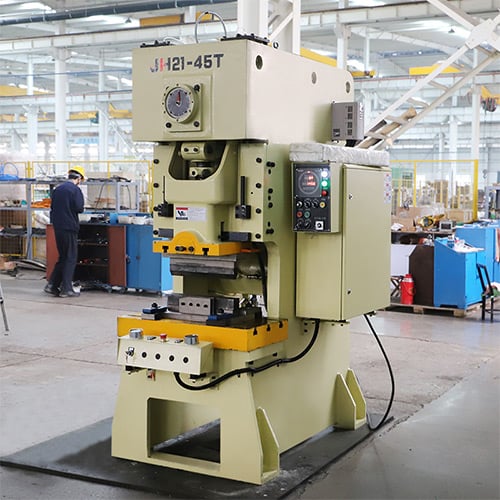
Frame hydraulic presses are essential tools in metal forming industries, widely utilized for tasks such as forging, punching, and straightening. These machines apply controlled force to shape metal materials into desired forms, making them crucial for manufacturers across sectors like automotive, metallurgy, and mining. With a variety of applications, understanding how to choose the right frame hydraulic press, addressing common operational issues, and knowing the installation and cost factors can significantly enhance operational efficiency. This article will provide practical insights and guidance tailored for purchasing managers and engineers considering these machines for their production needs.
How to Choose the Right Frame Hydraulic Press for Metal Forming
Selecting the appropriate frame hydraulic press involves considering several key specifications and operational requirements. Start by evaluating the type of metal you will be working with. Different materials, such as steel or aluminum, may require presses with varying force capabilities. For instance, a higher tonnage press is necessary for harder materials to achieve the desired deformation.
Next, consider the press configuration. Frame hydraulic presses are typically available in 3-beam or 4-column designs. The 4-column configuration generally offers better stability and load distribution, which is vital for precision applications. Additionally, assess the stroke length and daylight opening, as these dimensions will dictate the size of the workpiece you can process.
Lastly, understand your production volume. For high-volume operations, investing in automatic features or programmable controls can improve efficiency and reduce labor costs. Collaborating with a manufacturer like Shandong Woda Heavy Machinery, noted for its expertise and variety in hydraulic press designs, can provide valuable guidance in selecting a model that aligns with your operational needs.
Common Problems in Frame Hydraulic Press Operations and Solutions
Frame hydraulic presses, while robust, can encounter several operational challenges that may affect production efficiency. One common issue is hydraulic fluid leakage, which can lead to decreased pressure and performance. Regular inspection of hydraulic lines and seals is essential. Implementing a routine maintenance schedule can help identify potential leaks before they become critical.
Another issue is misalignment during the pressing process. This can result in uneven pressure distribution, causing defects in the finished product. Ensuring that the machine is properly calibrated and that the workpieces are aligned correctly before operation is crucial. Using jigs or fixtures can aid in maintaining proper alignment.
Overheating is also a concern, particularly in high-production environments. Adequate cooling systems should be in place to prevent excessive heat buildup, which can damage components and reduce the lifespan of the machine. Monitoring operating temperatures and the performance of cooling systems can help mitigate this risk.
Installation Guidance for Frame Hydraulic Presses in Metal Industries
Proper installation of frame hydraulic press automatic is critical for ensuring optimal performance and longevity. Begin by selecting a suitable location that provides enough space for the press and allows for safe operation. Ensure the floor can support the press's weight and any additional equipment you may need.
Once the site is prepared, follow the manufacturer's instructions for assembly and alignment. Ensure that all components are securely fastened and that the hydraulic system is properly set up. It is advisable to conduct a thorough inspection of hydraulic hoses and connections to prevent future leaks or failures.
After installation, perform a test run without loading the press to check for any operational irregularities. This initial testing phase is essential for identifying any issues that could affect the machine's performance before it enters full production.
Cost Factors When Purchasing Frame Hydraulic Presses in Bulk
When considering bulk purchases of frame hydraulic presses, several cost factors should be taken into account. First, the initial purchase price can vary significantly based on the tonnage, configuration, and additional features selected. For example, presses with advanced automation or specialized tooling will generally incur higher costs.
Additionally, consider the total cost of ownership, which includes maintenance, energy consumption, and potential downtime. Hydraulic press metal forming typically require routine maintenance and periodic component replacements, so budgeting for these ongoing costs is essential.
Shipping and installation costs also play a role, especially for bulk orders. Discussing logistics with your supplier can help identify more economical shipping options and ensure that installation costs are factored into your total expenditure. Finally, requesting a detailed quotation that outlines all anticipated costs can aid in making a more informed purchasing decision.
Applications of Frame Hydraulic Presses in Various Metal Forming Industries
Frame hydraulic presses are utilized across numerous metal forming industries, each with unique applications that leverage their capabilities. In the automotive industry, these presses are essential for forging and shaping components such as chassis parts and engine blocks. The precision and control offered by hydraulic presses ensure that parts meet stringent quality standards.
In sheet metal fabrication, hydraulic presses are used for processes like bending, punching, and stamping. The ability to apply consistent pressure facilitates the creation of complex shapes and designs required in various consumer products.
The mining and metallurgy sectors also benefit from frame hydraulic presses, particularly in the manufacture of ores and alloys. These presses can handle the demanding requirements of processing heavy materials, ensuring durability and efficiency in production.
Understanding the specific application requirements of each industry can guide buyers in selecting the appropriate specifications and configurations for their hydraulic press filter, enhancing operational effectiveness and product quality.
Table of Contents
- How to Choose the Right Frame Hydraulic Press for Metal Forming
- Common Problems in Frame Hydraulic Press Operations and Solutions
- Installation Guidance for Frame Hydraulic Presses in Metal Industries
- Cost Factors When Purchasing Frame Hydraulic Presses in Bulk
- Applications of Frame Hydraulic Presses in Various Metal Forming Industries