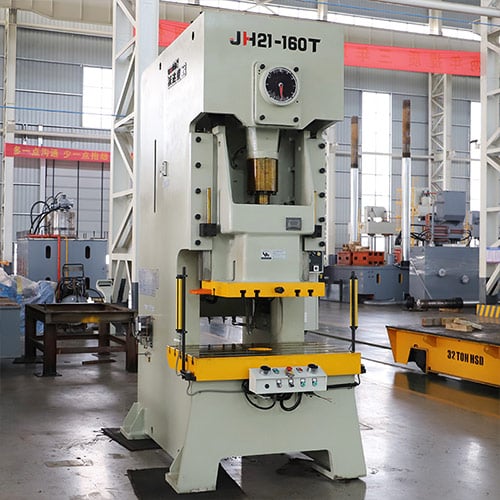
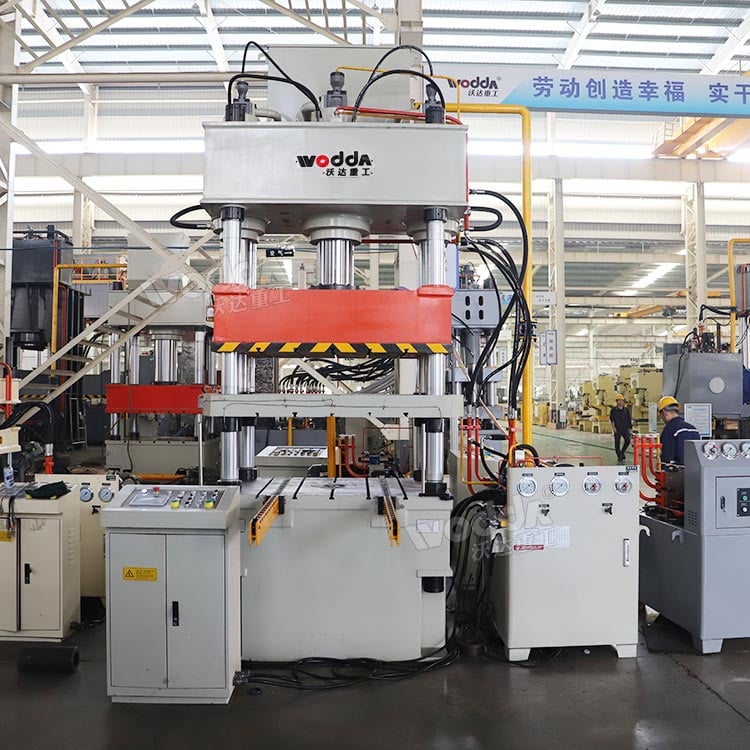
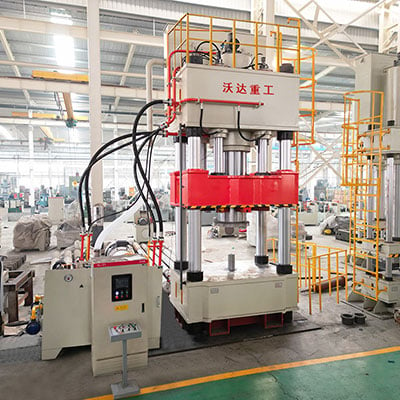
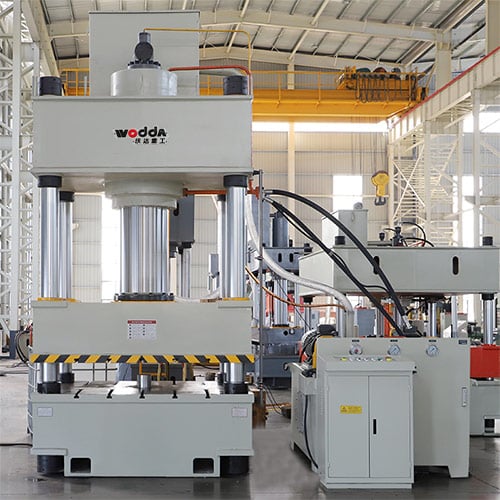
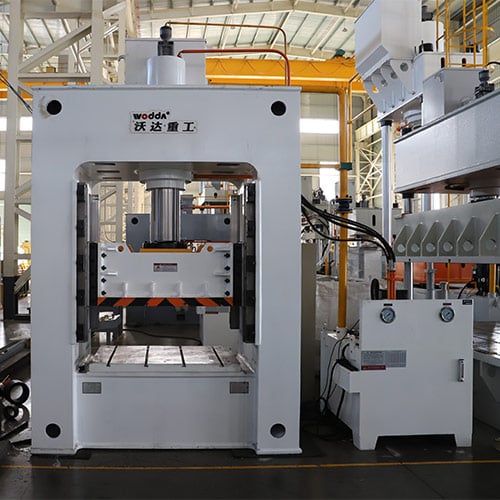
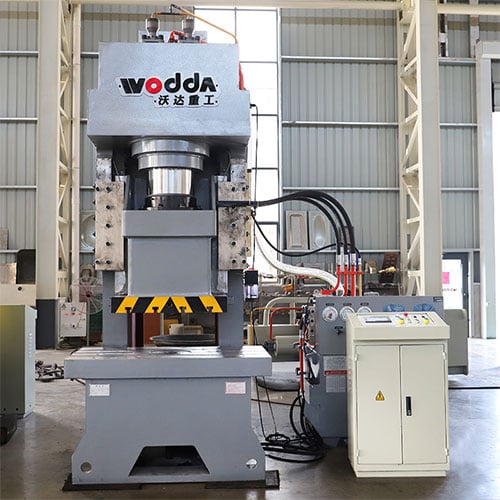
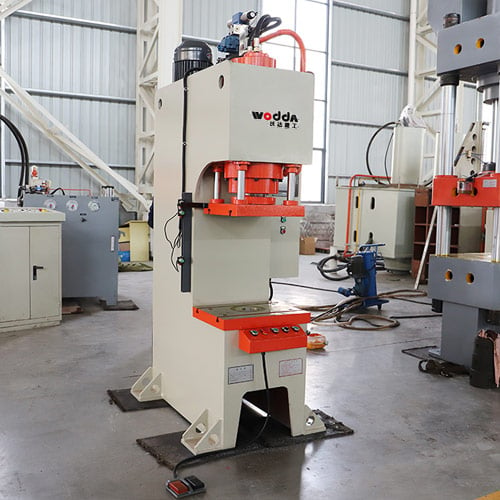
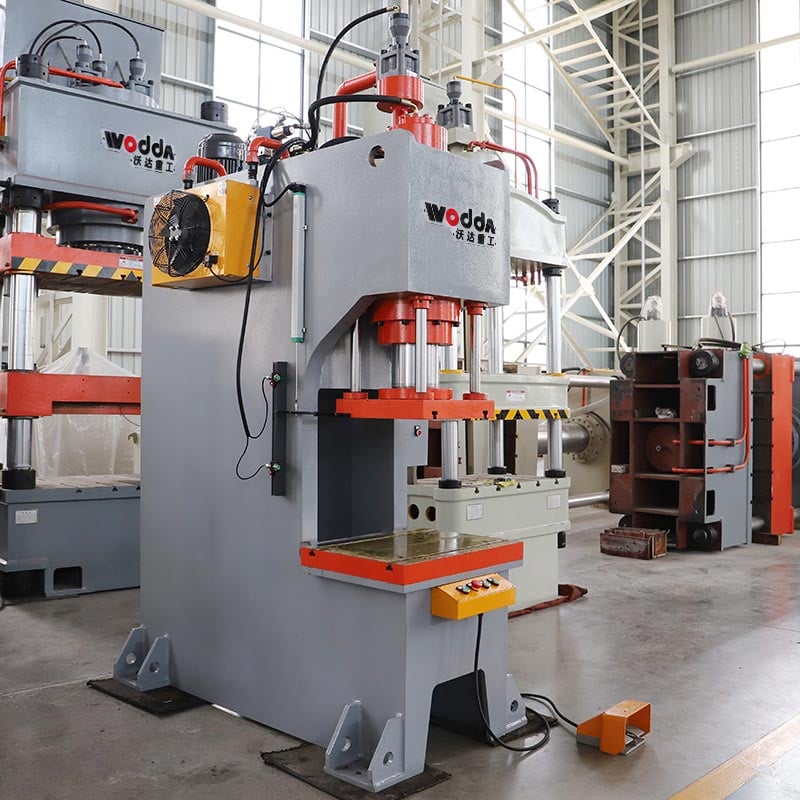
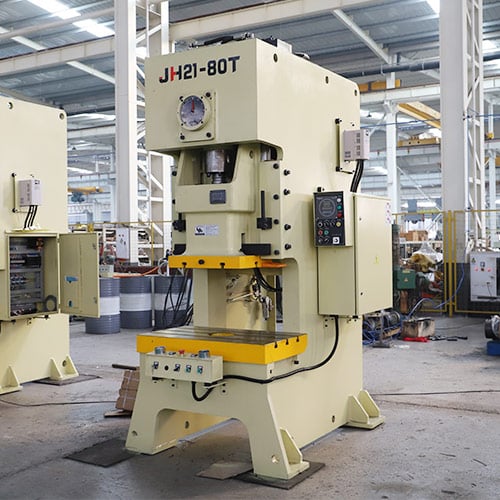
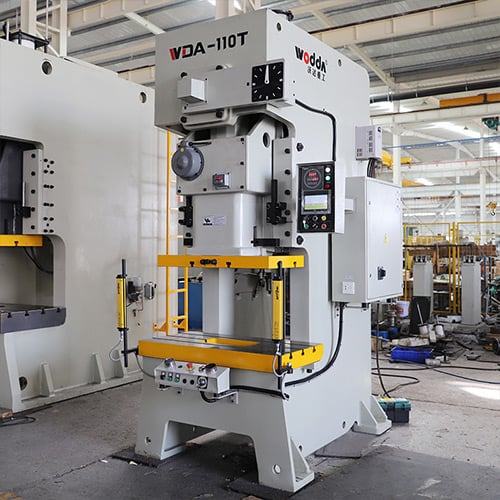
Hydraulic presses are essential machines used in various industrial applications, from metal forming to automotive manufacturing. These Woda machines apply controlled pressure to shape or mold materials, making them invaluable in sectors like mining and metallurgy. For B2B buyers, selecting the right hydraulic press involves understanding specific requirements and applications. This article will guide you through the key considerations when choosing a hydraulic moulding press, ensuring you make an informed decision for your business needs.
Selecting the appropriate Woda hydraulic press begins with a clear understanding of your operational requirements. Consider the type of materials you'll be working with and the specific applications you need the press for. Hydraulic presses come in various configurations, such as 3-beam 4-column and forging presses, each tailored for different tasks.
Material Compatibility: Evaluate the materials you plan to process. Different hydraulic presses are designed for specific materials, such as metals, plastics, or composites. The press's capacity to handle certain material types will significantly influence its performance.
Press Capacity and Force Requirements: Determine the force required for your applications. Hydraulic presses operate based on a specified tonnage, which indicates how much force the machine can exert. This is critical for ensuring that the press can efficiently perform the tasks you need it for.
Customization Needs: If your operations require unique specifications or features, consider a manufacturer that offers customization capabilities. This may include modifications to the press's design, size, or operational parameters to align with your production processes.
Quality and Compliance: Ensure that the hydraulic embossing machine meets industry standards and certifications, such as ISO 9001 and CE marking. These certifications indicate that the equipment adheres to quality and safety standards, which is crucial for maintaining operational integrity.
When evaluating hydraulic presses for your business, it’s essential to focus on several key factors:
Operational Efficiency: Assess the machine's efficiency in terms of cycle time and energy consumption. A more efficient press can lead to reduced production costs and increased profitability.
Maintenance and Support: Consider the ease of maintenance and the availability of support services. A reliable manufacturer should provide thorough documentation and support to minimize downtime and ensure optimal performance.
Cost Factors: Evaluate the total cost of ownership, which includes not just the initial purchase price but also operational costs, maintenance, and potential downtime. Sometimes, a lower initial cost may result in higher long-term expenses due to inefficiency or frequent repairs.
Lead Time: Understand the lead time for delivery, especially if you have urgent production needs. Some manufacturers may have stock available for immediate dispatch, while others may require longer production times.
Hydraulic presses are complex machines that require a thorough understanding of their specifications and operational parameters. Here are crucial aspects to consider:
Technical Specifications: Familiarize yourself with the technical specifications of auto hydraulic press, including stroke length, working pressure, and table size. Each specification impacts the machine's compatibility with your intended applications.
Safety Features: Look for presses equipped with advanced safety features, such as emergency stop buttons and pressure monitoring systems. These features help protect operators and equipment from accidents and malfunctions.
Performance Testing: Before finalizing your purchase, request performance tests or demonstrations to verify that the press meets your operational requirements. Observing the press in action can provide insights into its capabilities and reliability.
Finding a reputable supplier for hydraulic presses is crucial for ensuring quality and service. Here are some strategies to locate reliable manufacturers:
Industry Associations: Consult industry associations and trade organizations, which often have directories of certified manufacturers. These organizations can also provide insights into industry standards and best practices.
Trade Shows and Expos: Attend industry trade shows and expos to meet manufacturers in person, view their products, and discuss your specific needs. This allows you to compare multiple suppliers and their offerings.
Online Research: Utilize online platforms to research potential suppliers. Look for customer reviews, testimonials, and case studies that highlight the manufacturer's experience and reliability.
Direct Contact: Reach out directly to manufacturers like Shandong Woda Heavy Machinery, who specialize in hydraulic presses and have experience in various industries. Discuss your requirements and ask for references to evaluate their track record.
In the fields of automobile manufacturing, mechanical processing, hardware and electrical appliances, it provides customers with customized hydraulic press solutions. Products are widely used in automobile manufacturing, sheet metal processing, animal husbandry, mining, metallurgy, environmental protection, transportation and power generation.
Always adhering to the service concept of "achieving customers and people-oriented", it provides customers with 24-hour online Q&A services to ensure that any problems encountered by customers during use can be solved in a timely manner. The company has a professional R&D team and technical support personnel who can respond to customer needs quickly.
Provide one-stop service, covering customized design, production and manufacturing, installation and commissioning, and after-sales service of hydraulic presses. The main products include three-beam four-column hydraulic presses, single-column hydraulic presses and other types to meet the diverse needs of customers in different industries.
Shandong Woda Heavy Machinery Co., Ltd. has dozens of national patent certificates with years of industry experience and technical accumulation, which fully demonstrates its innovative ability and technical strength in the field of forging machine tools. The company has passed the EU CE certification and ISO9001 international quality management system certification.
Understanding common issues associated with hydraulic presses can help in preemptive maintenance and operational efficiency. Here are typical problems and their solutions:
Pressure Fluctuations: Inconsistent pressure can lead to poor quality outcomes. This often stems from hydraulic fluid contamination or a malfunctioning pump. Regular maintenance and fluid checks can mitigate these issues.
Overheating: Excessive heat can damage components and decrease efficiency. Ensure that the hydraulic press has adequate cooling systems and that fluid levels are maintained according to the manufacturer's recommendations.
Misalignment: Misalignment of components can lead to uneven pressure distribution, causing product defects. Regular inspections and adjustments can help maintain proper alignment.
Seal Failures: Worn or damaged seals can lead to fluid leaks, compromising pressure and efficiency. Implementing a routine seal inspection and replacement schedule can prevent this issue.
By addressing these common problems proactively, businesses can enhance the reliability and lifespan of their hydraulic presses, ensuring consistent performance and quality in production.
Copyright © Shandong Woda Heavy Machinery Co., Ltd. All Rights Reserved. - Privacy Policy - Blog
 EN
EN AR
AR BG
BG HR
HR CS
CS FR
FR DE
DE EL
EL HI
HI IT
IT JA
JA KO
KO PT
PT RO
RO RU
RU ES
ES TL
TL ID
ID LV
LV LT
LT SR
SR UK
UK VI
VI SQ
SQ TH
TH TR
TR MS
MS MK
MK HY
HY AZ
AZ KA
KA MN
MN KK
KK UZ
UZ KY
KY