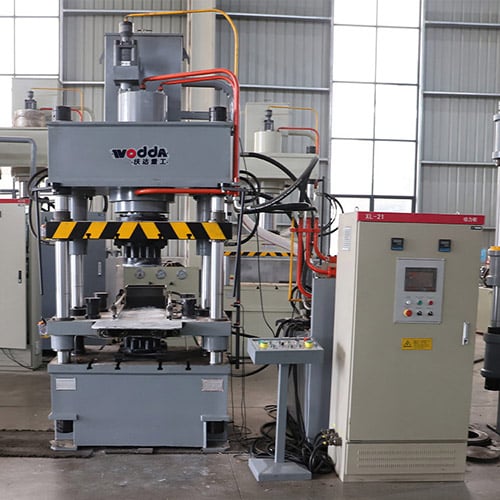
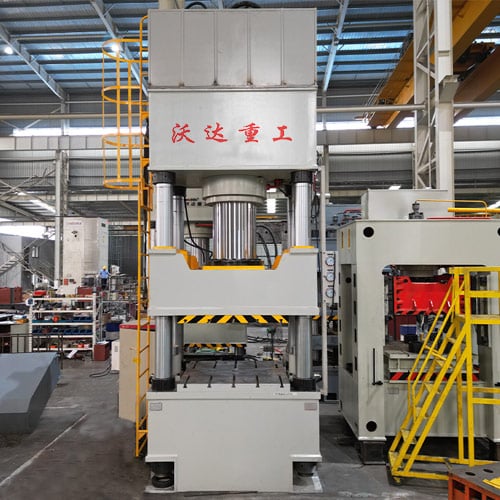
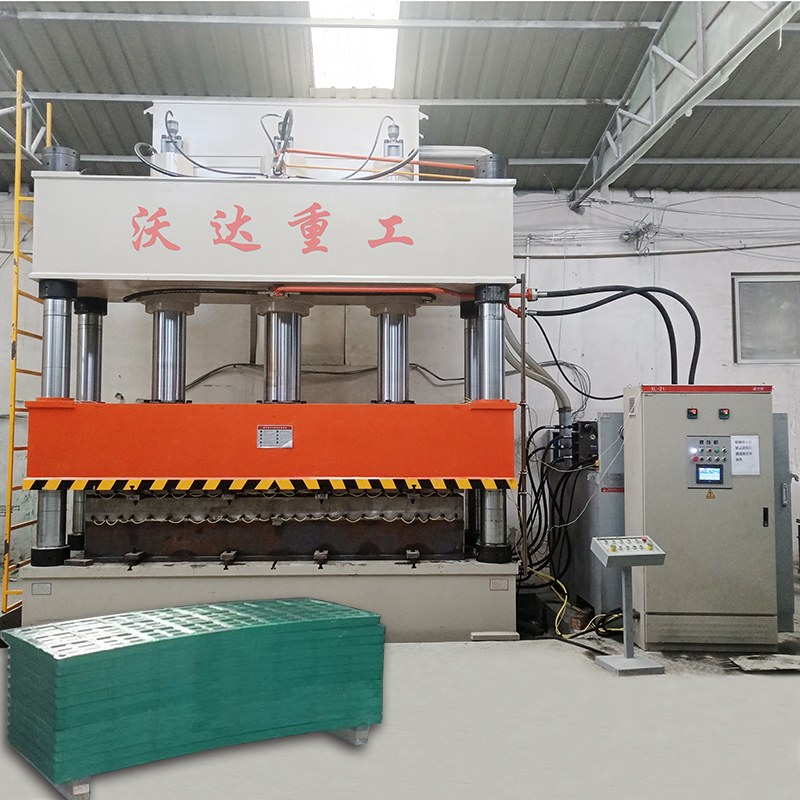
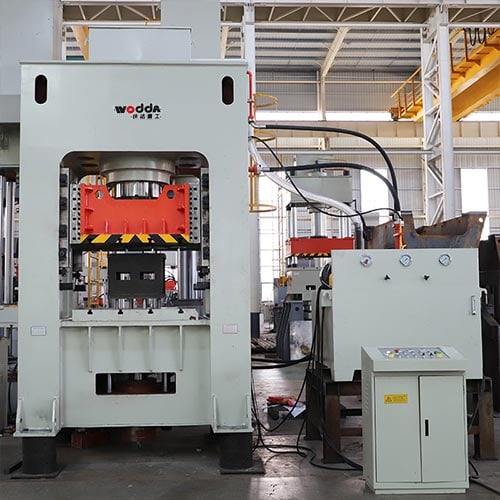
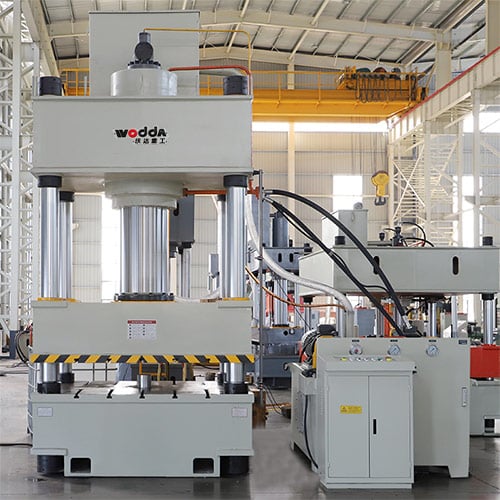
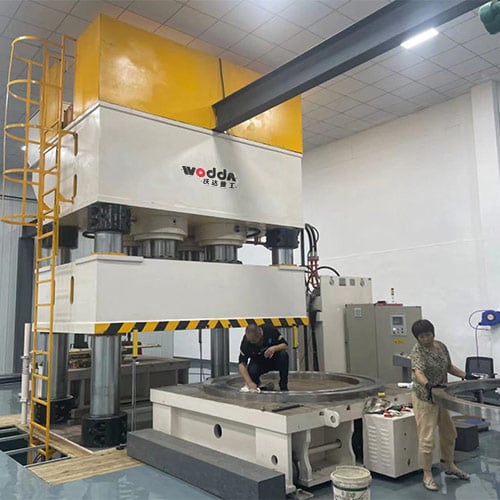
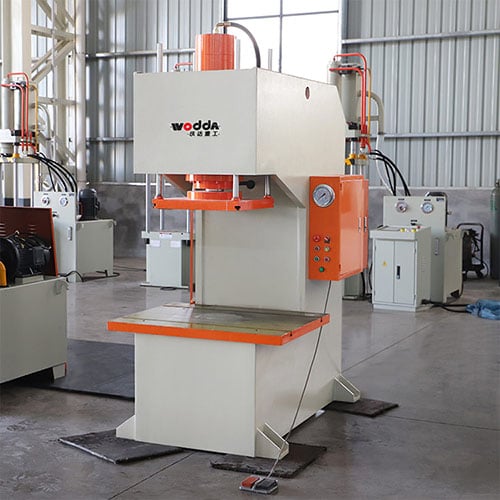
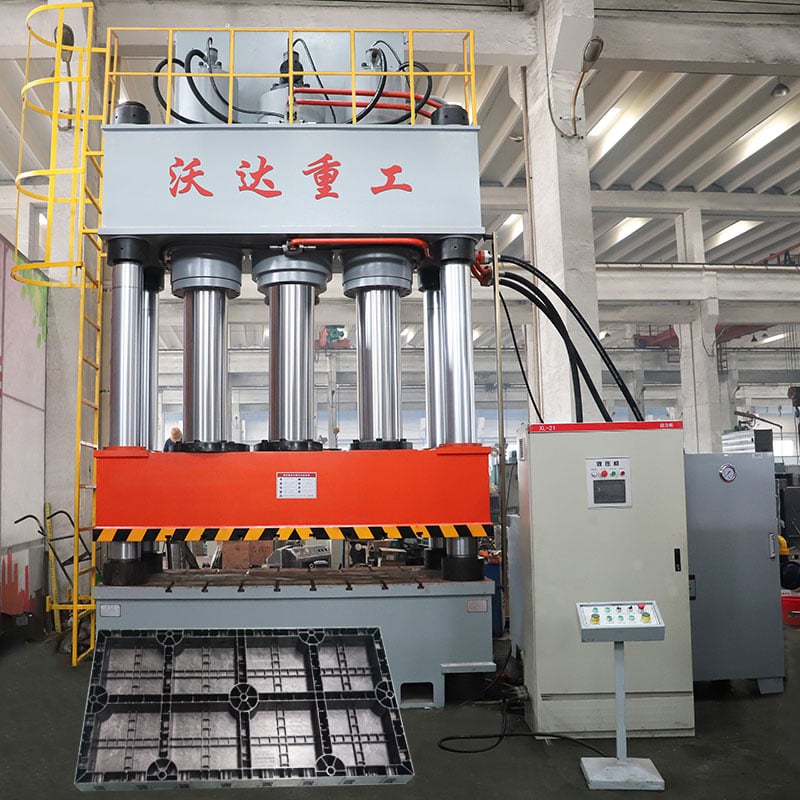
The 100-ton hydraulic press, known as "prensa hidráulica 100 ton," is a robust and versatile machine used in various industrial applications. As a B2B buyer, understanding the specifications, costs, and applications of these hydraulic presses is crucial for making an informed purchasing decision. This article will address key considerations for selecting a 100-ton hydraulic press, including specifications, cost factors, applications across different industries, material advantages, and how to compare suppliers effectively.
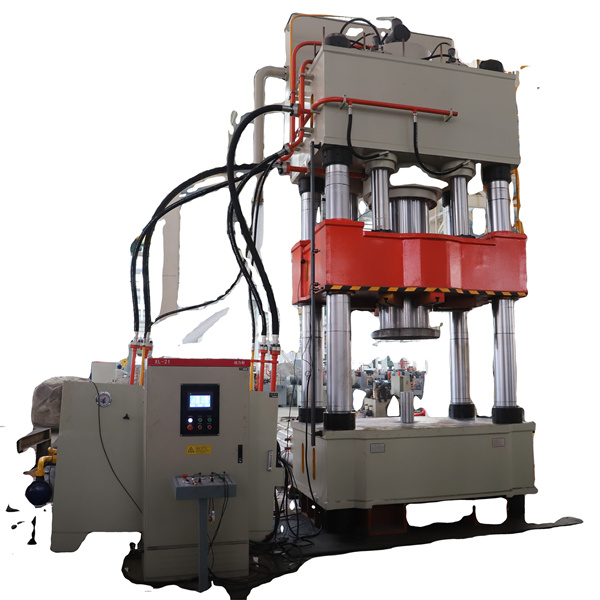
When evaluating a 100-ton hydraulic press, several key specifications are critical to ensuring that the machine meets your operational needs. Key specifications include:
Press Capacity: The 100-ton capacity indicates the maximum load the press can exert. Ensure this aligns with your production requirements.
Stroke Length: The stroke length affects how deep the press can engage with the material. Longer strokes may be necessary for particular applications, such as deep drawing.
Bed Size: The dimensions of the bed determine the size of the workpiece that can be accommodated. Check that the bed size is suitable for your processes.
Speed: Cycle speed is essential for productivity. A faster cycle time can increase output but may require more advanced hydraulic systems.
Control System: Modern hydraulic presses often feature advanced control systems for precision and automation. Consider whether you need manual or automatic control. For example, the Single Column Hydraulic Press offers such advanced features.
Understanding these specifications can help you determine the most suitable press for your specific applications, ensuring efficiency and effectiveness in operations.
When purchasing a 100-ton hydraulic press, particularly in bulk, several cost factors come into play:
Unit Price: The price per unit generally decreases with larger orders. Manufacturers may offer discounts based on the quantity ordered, which can significantly lower your overall investment.
Customization Options: Custom features, such as specific stroke lengths or control systems, may incur additional costs. It's essential to evaluate whether these features are necessary for your operations.
Shipping and Handling: Consider the shipping costs, which can vary based on the destination and the weight of the hydraulic presses. Bulk orders may require specialized transportation arrangements.
Installation and Training: Some manufacturers offer installation and operator training as part of the purchase. This can add to the initial cost but may save on downtime and training expenses later.
Maintenance Agreements: Establishing a maintenance contract can affect the total cost of ownership. Evaluate whether ongoing support from the manufacturer is included in the purchase price or requires an additional fee.
Understanding these cost factors will enable you to budget effectively and negotiate better terms with suppliers. For instance, including a comprehensive Powder Forming Hydraulic Press in your comparison can provide insight into the overall market.
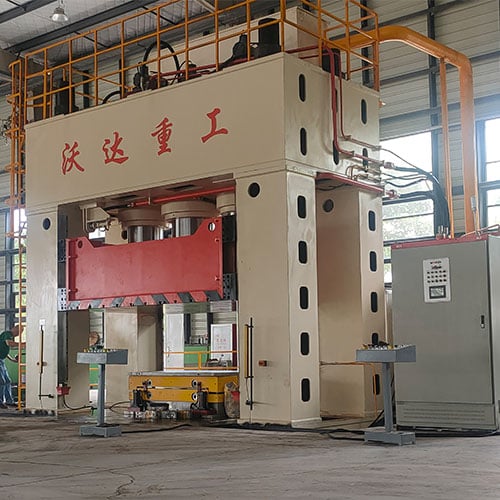
The versatility of 100-ton hydraulic presses allows them to be used in numerous industries, including:
Automotive: In the automotive sector, these presses are used for stamping, forming, and assembling components such as metal panels, brackets, and structural parts.
Sheet Metal Fabrication: They are essential in sheet metal operations for bending, punching, and shaping metal into desired forms.
Mining and Metallurgy: Hydraulic presses are utilized in mining for compacting and forming materials, significantly enhancing processing efficiency.
Plastic and Composite Fabrication: In the production of plastic and composite materials, 100-ton hydraulic presses are employed for molding and shaping.
Furniture Manufacturing: These presses are also common in the furniture industry for lamination and forming operations.
The ability to adapt to different applications makes the 100-ton hydraulic press a valuable asset across various sectors, offering both flexibility and efficiency.
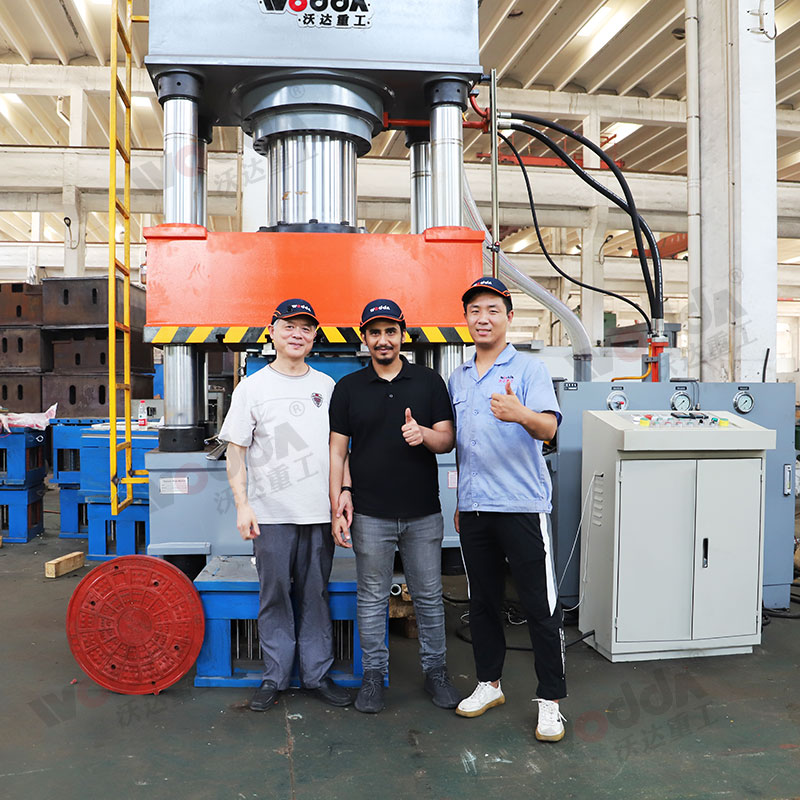
The material used in hydraulic press construction is vital to its performance and longevity. Common materials include:
Steel: High-strength steel is often used for frames and components due to its durability and resistance to deformation under heavy loads.
Alloy Materials: Some manufacturers use alloy materials to enhance strength while reducing weight, making presses easier to operate and install.
Surface Treatments: Coatings may be applied to prevent corrosion and wear, extending the machine's life and reducing maintenance needs.
When selecting a hydraulic press, consider the material's impact on performance, including weight distribution, resistance to wear, and overall machine integrity. A well-constructed machine, such as a Frame Hydraulic Press, will deliver better results and lower long-term operational costs.
Always adhering to the service concept of "achieving customers and people-oriented", it provides customers with 24-hour online Q&A services to ensure that any problems encountered by customers during use can be solved in a timely manner. The company has a professional R&D team and technical support personnel who can respond to customer needs quickly.
Shandong Woda Heavy Machinery Co., Ltd. has dozens of national patent certificates with years of industry experience and technical accumulation, which fully demonstrates its innovative ability and technical strength in the field of forging machine tools. The company has passed the EU CE certification and ISO9001 international quality management system certification.
In the fields of automobile manufacturing, mechanical processing, hardware and electrical appliances, it provides customers with customized hydraulic press solutions. Products are widely used in automobile manufacturing, sheet metal processing, animal husbandry, mining, metallurgy, environmental protection, transportation and power generation.
Provide one-stop service, covering customized design, production and manufacturing, installation and commissioning, and after-sales service of hydraulic presses. The main products include three-beam four-column hydraulic presses, single-column hydraulic presses and other types to meet the diverse needs of customers in different industries.
Selecting the right supplier for your 100-ton hydraulic press is as critical as choosing the machine itself. Here are some factors to consider:
Reputation and Experience: Research suppliers' backgrounds, looking for those with a proven track record in manufacturing hydraulic presses. Certifications such as ISO9001 and CE mark can indicate a commitment to quality.
Customization Capabilities: Ensure that the supplier can meet your specific requirements, whether it be customization of the press design or additional features tailored to your applications.
After-Sales Support: Evaluate the level of after-sales support, including installation, maintenance services, and training for operators. Reliable support can minimize downtime and enhance productivity.
Lead Times: Consider the supplier's production and delivery timelines. A supplier that can meet your deadlines will help keep your operations on track.
References and Case Studies: Request references or case studies from existing customers to gauge satisfaction and performance outcomes. This insight can inform your decision-making process.
By carefully assessing these factors, you can select a supplier that not only provides a high-quality 100-ton hydraulic press but also supports your operational needs effectively.

Copyright © Shandong Woda Heavy Machinery Co., Ltd. All Rights Reserved. - Privacy Policy - Blog
 EN
 AR
 BG
 HR
 CS
 FR
 DE
 EL
 HI
 IT
 JA
 KO
 PT
 RO
 RU
 ES
 TL
 ID
 LV
 LT
 SR
 UK
 VI
 SQ
 TH
 TR
 MS
 MK
 HY
 AZ
 KA
 MN
 KK
 UZ
 KY