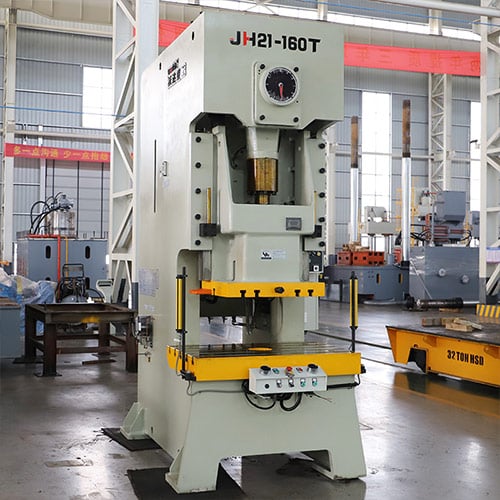
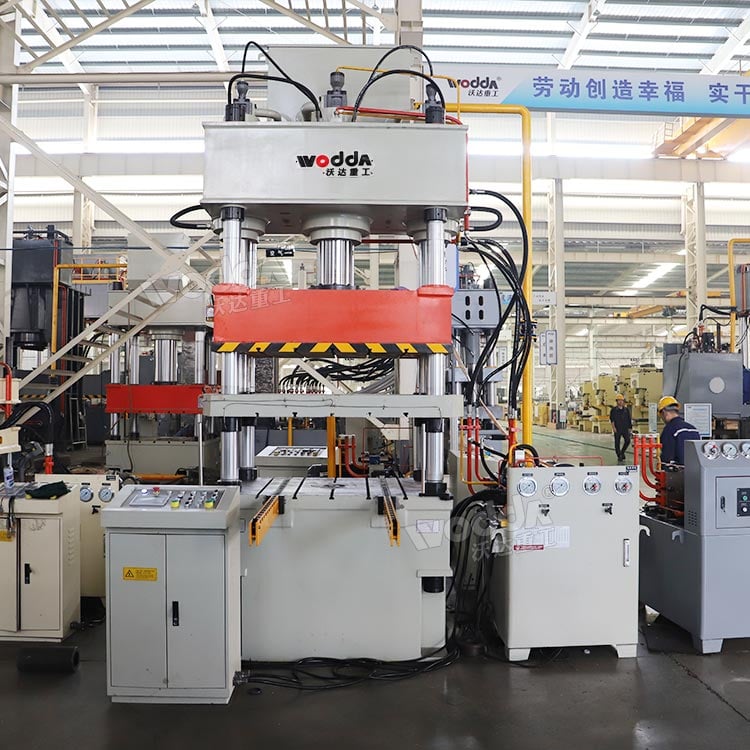
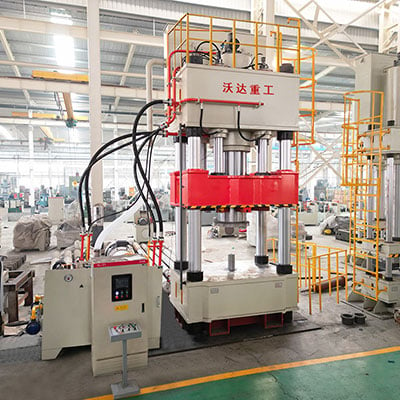
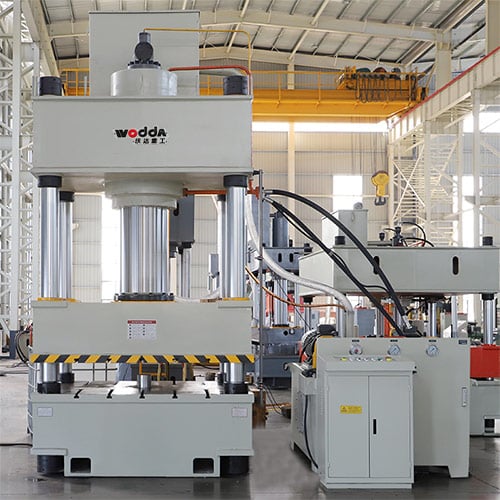
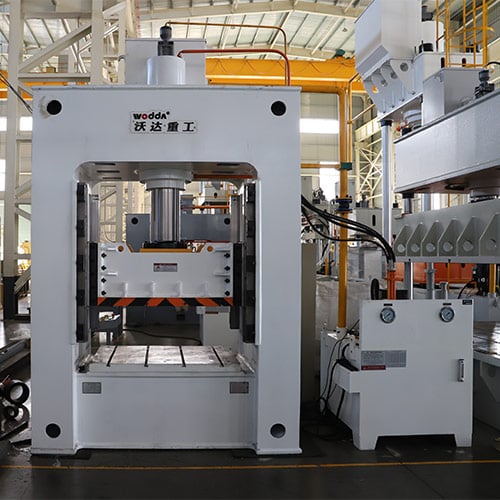
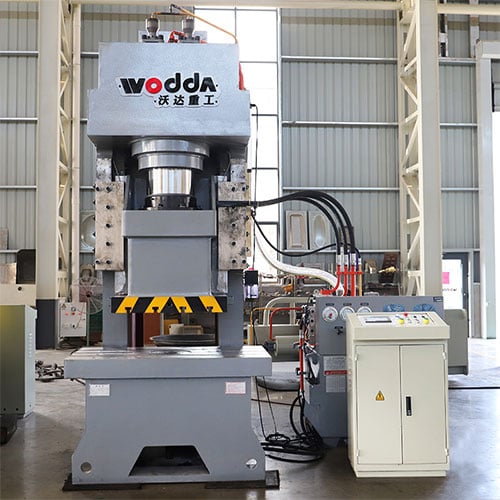
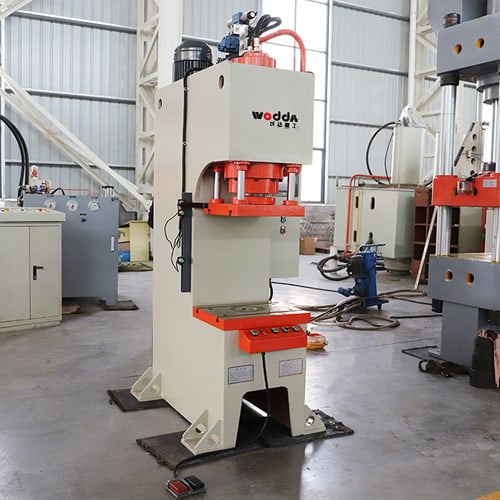
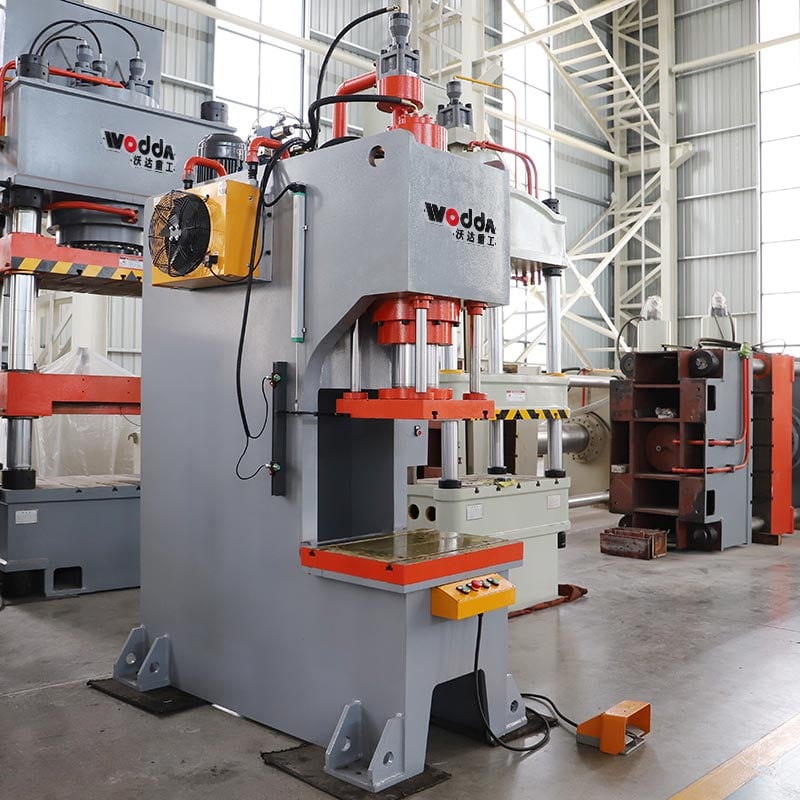
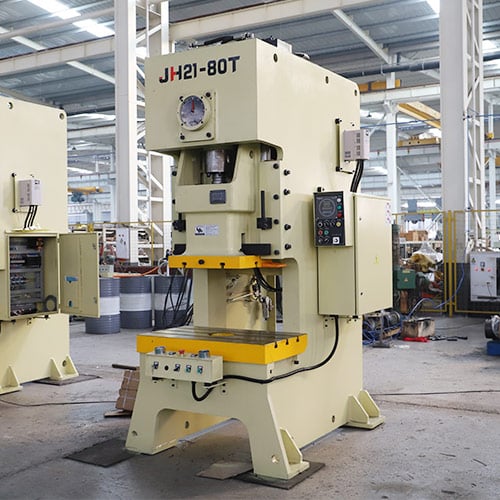
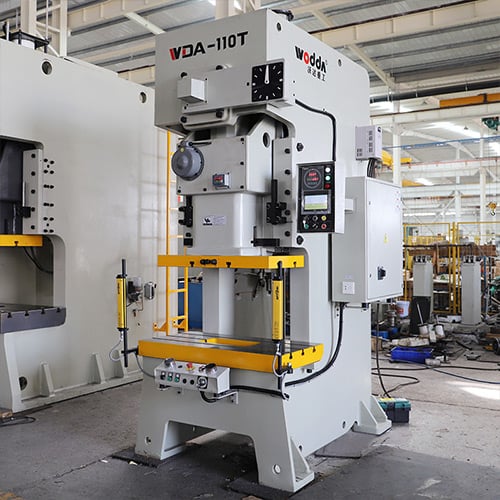
Plastic hydraulic presses are essential machinery in various industries, especially for applications involving molding, forming, and shaping plastics. These presses utilize hydraulic power to exert high pressure, making them ideal for tasks ranging from creating intricate parts to assembling components. Buyers often have concerns regarding specifications, installation, and potential operational issues. This article will guide you through key considerations when evaluating, purchasing, and maintaining a plastic hydraulic press, focusing on practical insights and tips for ensuring a successful investment.
When assessing plastic hydraulic presses, several critical specifications should be prioritized to ensure they meet your operational needs.
Pressure Capacity: This is a pivotal specification that defines the maximum pressure the hydraulic press can exert. It is essential to select a press that can handle the specific pressure requirements of your applications. Insufficient pressure can lead to poor quality in molded parts, while excessive pressure may damage components.
Table Size and Load Capacity: The work table's dimensions and the maximum load it can support are vital for accommodating your molds and materials. Ensure that the table size aligns with your production needs to avoid limitations during operation.
Stroke Length: The stroke length determines how far the ram can travel, affecting the depth and complexity of the molding process. For intricate designs, a longer stroke may be necessary.
Cycle Time: The efficiency of production is often dictated by the hydraulic press's cycle time. A shorter cycle time means higher productivity. Evaluate how the press's speed aligns with your manufacturing requirements.
Energy Consumption: Consider the energy efficiency of the press. Lower energy consumption can lead to significant cost savings over time, especially in high-volume operations.
Safety Features: Safety is paramount in any industrial environment. Ensure the servo hydraulic press includes necessary safety mechanisms, such as emergency stop buttons, safety guards, and pressure release valves to protect operators and equipment.
Correct installation is crucial for the optimal performance of a plastic hydraulic press. Here are critical steps to consider during the installation process:
Site Preparation: Ensure the installation area is adequately prepared to accommodate the press's dimensions and weight. The flooring should be strong enough to support the machine, and there's adequate space for operation and maintenance.
Power Supply: Verify that the electrical supply meets the hydraulic press's requirements. This includes checking voltage and phase compatibility to prevent operational issues.
Hydraulic Connections: Properly connect hydraulic lines, ensuring there are no leaks. All fittings should be secure, and the hydraulic system must be free of contaminants to maintain performance.
Calibration and Testing: Once installed, the deep drawing hydraulic press should be calibrated according to the manufacturer’s specifications. Conduct a series of tests to ensure it operates correctly before beginning full production.
Operator Training: Ensure that operators are trained in the press's operation and safety features. Familiarity with the machine will enhance efficiency and reduce the risk of accidents.
Understanding potential issues with Woda plastic hydraulic presses can help buyers proactively address concerns. Here are some common problems and recommended solutions:
Inconsistent Pressure: Variability in pressure can lead to defects in molded parts. This can often be resolved by inspecting hydraulic fluid levels and ensuring that the hydraulic system is free from air bubbles. Regular maintenance of hydraulic components also helps maintain consistent performance.
Overheating: Overheating may occur due to inadequate hydraulic fluid or excessive workload. To mitigate this, ensure that the hydraulic fluid is at the appropriate level and that the cooling system is functioning. Regularly scheduled maintenance can prevent overheating.
Mechanical Wear: Frequent use can lead to mechanical wear, particularly in moving parts. Implement a routine inspection schedule to identify wear and replace parts as necessary, ensuring optimal performance and longevity.
Electrical Issues: Problems with the electrical components, such as wiring or control panels, can halt production. Regularly check electrical connections and replace any faulty components to maintain operational readiness.
Safety Failures: If safety features fail, it poses risks to operators. Regular safety audits and maintenance checks are essential to ensure all safety mechanisms are functional.
Finding trustworthy suppliers is crucial for acquiring a quality Woda plastic hydraulic press. Consider these strategies to identify reliable sources:
Industry Networks: Leverage industry connections and networks to gather recommendations for reputable suppliers. Trade shows and exhibitions are excellent opportunities to meet manufacturers and discuss specific needs.
Certifications and Standards: Look for suppliers with relevant certifications, such as ISO 9001, which indicates adherence to quality management standards. This can provide assurance of the supplier’s commitment to quality.
Online Research: Utilize online platforms and B2B marketplaces to compare suppliers. Pay attention to customer reviews and testimonials, which can provide insights into the supplier's reliability and product quality.
Technical Support and Service: Evaluate suppliers based on their technical support and after-sales service. A responsive supplier can be invaluable for troubleshooting and maintenance.
Sample Approval: Before committing to a purchase, request samples or test units to evaluate performance in your specific application. This step can help confirm that the press meets your quality and operational standards.
Always adhering to the service concept of "achieving customers and people-oriented", it provides customers with 24-hour online Q&A services to ensure that any problems encountered by customers during use can be solved in a timely manner. The company has a professional R&D team and technical support personnel who can respond to customer needs quickly.
In the fields of automobile manufacturing, mechanical processing, hardware and electrical appliances, it provides customers with customized hydraulic press solutions. Products are widely used in automobile manufacturing, sheet metal processing, animal husbandry, mining, metallurgy, environmental protection, transportation and power generation.
Shandong Woda Heavy Machinery Co., Ltd. has dozens of national patent certificates with years of industry experience and technical accumulation, which fully demonstrates its innovative ability and technical strength in the field of forging machine tools. The company has passed the EU CE certification and ISO9001 international quality management system certification.
Provide one-stop service, covering customized design, production and manufacturing, installation and commissioning, and after-sales service of hydraulic presses. The main products include three-beam four-column hydraulic presses, single-column hydraulic presses and other types to meet the diverse needs of customers in different industries.
When preparing to purchase a Woda plastic hydraulic press, consider these practical tips to enhance your buying experience:
Define Your Requirements: Clearly outline your operational needs, including production volume, specific applications, and required specifications. This clarity will guide your discussions with suppliers.
Request Detailed Quotations: When seeking quotes, provide suppliers with detailed information about your requirements, including desired specifications, materials, and expected lead times. This will ensure you receive accurate pricing.
Verify Manufacturer Capabilities: Confirm that the manufacturer can meet your customization requirements and production capacity. Understanding their capabilities will help avoid delays and unexpected issues.
Check Warranty and Support: Inquire about warranty terms and post-purchase support. A solid warranty can protect your investment, while effective support can minimize downtime.
Plan for Maintenance: Incorporate maintenance considerations into your purchase decision. Understand the maintenance requirements of the steel door hydraulic press machine and ensure that your team is prepared to perform routine checks and services.
By carefully evaluating specifications, ensuring proper installation, understanding potential issues, sourcing reliable suppliers, and following practical purchasing tips, you can make informed decisions when investing in a plastic hydraulic press. This thorough approach will help maximize your operational efficiency and product quality in your manufacturing processes.

Copyright © Shandong Woda Heavy Machinery Co., Ltd. All Rights Reserved. - Privacy Policy - Blog
 EN
 AR
 BG
 HR
 CS
 FR
 DE
 EL
 HI
 IT
 JA
 KO
 PT
 RO
 RU
 ES
 TL
 ID
 LV
 LT
 SR
 UK
 VI
 SQ
 TH
 TR
 MS
 MK
 HY
 AZ
 KA
 MN
 KK
 UZ
 KY