Choosing the right hydraulic press tons for your operations is critical for ensuring efficiency and effectiveness in various industrial applications. Hydraulic presses are vital in sectors like automotive, metallurgy, and mining, where they perform tasks such as forging, punching, and straightening. For buyers, understanding the specifications, sourcing reliable suppliers, and addressing common operational issues are key concerns. This article aims to provide practical insights on selecting smc hydraulic press, sourcing suppliers, and enhancing the performance and durability of these essential machines.
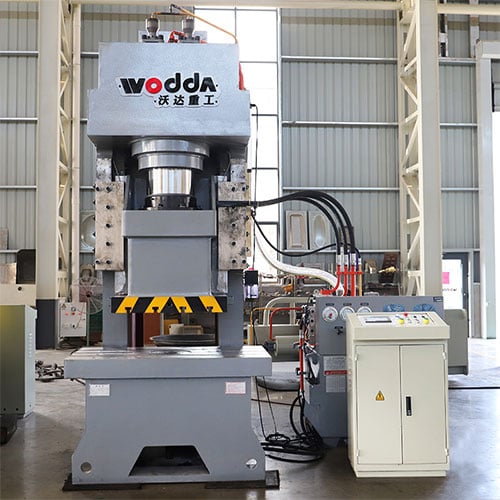
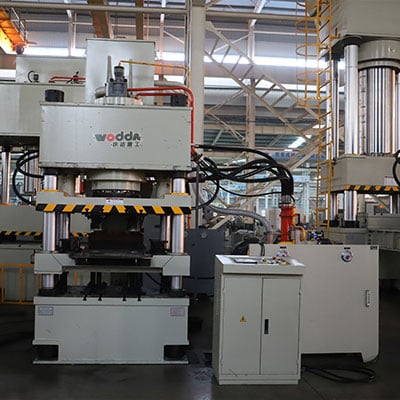
When selecting a Woda hydraulic press, several specifications should be considered to meet your project requirements effectively. Key factors include the tonnage capacity, frame structure, and application type. The tonnage capacity, often measured in tons, determines the maximum load the hydraulic press can handle. For example, a 100-ton hydraulic press is suitable for lighter tasks, while 500-ton presses are ideal for heavy-duty operations, such as forging large metal components.
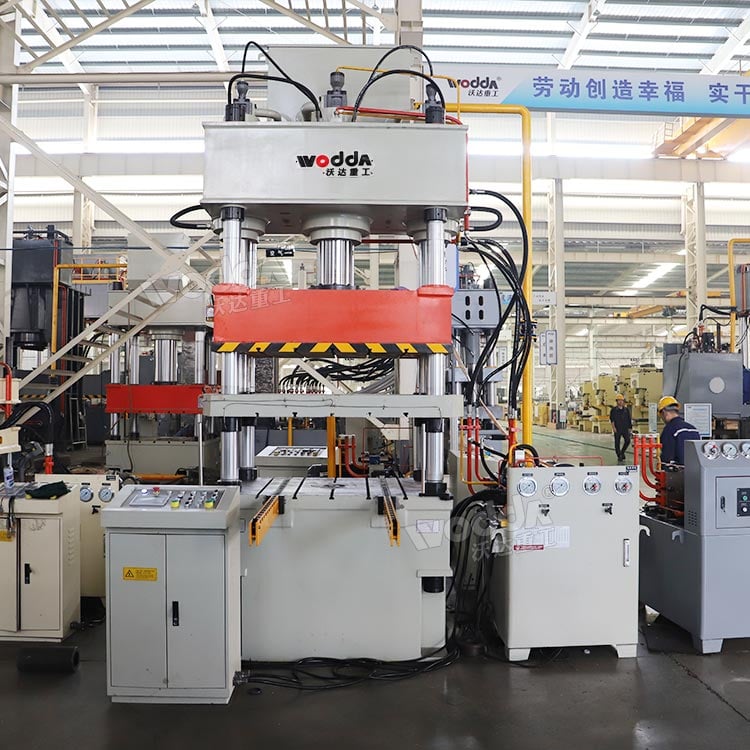
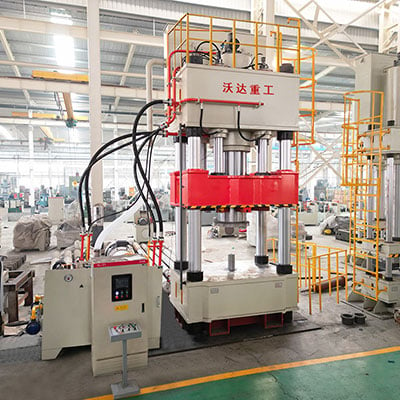
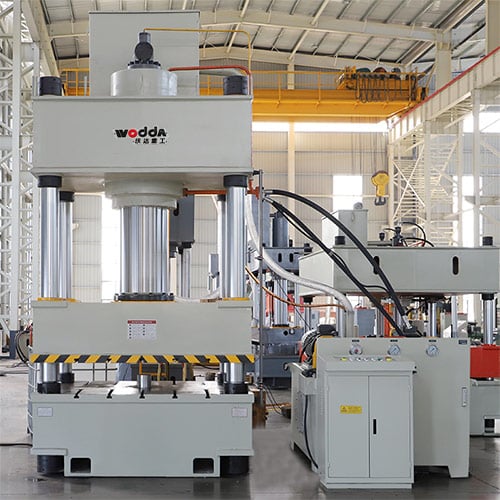
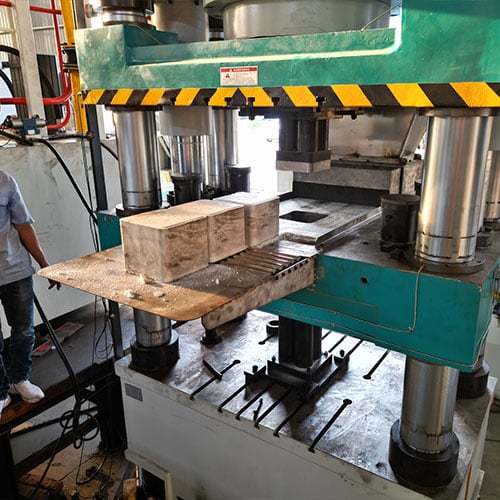
Frame structure is another critical consideration. Common designs include 3-beam and 4-column configurations, which provide different levels of stability and load distribution. A 4-column structure is typically more robust and allows for better alignment during operation, minimizing distortion and ensuring uniform pressure application. Additionally, consider the material used for the press components, as this affects durability and resistance to wear.
Lastly, assess the specific applications intended for the press. For instance, if you're in the automotive industry, you'll need a hydraulic press capable of handling various materials, including sheet metal and composite materials. Understanding these specifications will help you make an informed decision that aligns with your operational needs.
Finding a dependable supplier for bulk orders of hydraulic presses is crucial for maintaining production efficiency. Start by evaluating potential suppliers based on their industry experience, certifications, and reputation. Look for manufacturers with ISO9001 certification, as this indicates adherence to quality management standards. Additionally, consider suppliers that have established a solid presence in international markets, as this can be an indicator of reliability and capability.
Requesting detailed product specifications from potential suppliers is essential. This includes understanding the manufacturing capabilities, lead times, and minimum order quantities (MOQs). For instance, if you require 50 units of a specific model, ensure that the supplier can meet this demand without compromising quality or delivery timelines.
Finally, don’t overlook the importance of customer service and support. A supplier that offers robust after-sales support and assistance with installation can significantly impact your operational efficiency. Engaging with existing customers or seeking testimonials can also provide insights into the supplier's reliability and service quality.
Define Your Requirements: Before reaching out to suppliers, clearly outline your project requirements. This includes specifying the hydraulic press type, tonnage, application, and any customization needed.
Research Suppliers: Utilize online platforms and industry directories to identify potential manufacturers. Focus on those specializing in 120 ton hydraulic press and related machinery.
Request Quotations: Prepare a detailed Request for Quotation (RFQ) that includes your specifications, quantities, and delivery requirements. This will help suppliers provide accurate pricing.
Evaluate Proposals: Assess the received quotations based on price, lead time, and technical specifications. Consider not just the initial cost but the total cost of ownership, including maintenance and operational efficiency.
Conduct Quality Checks: Before finalizing the order, request samples or prototypes if possible. This allows you to evaluate the product against your specifications and conduct performance testing under actual operating conditions.
Finalize the Order: Once satisfied with the proposals and samples, proceed with the order, ensuring all terms, including delivery timelines and payment conditions, are clearly defined.
Hydraulic presses, while essential, can encounter various operational issues that may impact productivity. Common problems include hydraulic fluid leaks, inadequate pressure output, and wear on components.
Hydraulic Fluid Leaks: Regular maintenance checks are essential to detect and address leaks early. Ensure that seals and hoses are inspected frequently, and replace any worn components promptly.
Inadequate Pressure Output: If a Woda hydraulic press is not achieving the required pressure, check the hydraulic fluid levels and the pump's integrity. Low fluid levels can lead to insufficient pressure; hence, maintaining optimal fluid levels is crucial.
Component Wear: Over time, components such as cylinders and pistons can wear down, leading to decreased performance. Implementing a scheduled maintenance plan that includes inspections and timely replacements can help mitigate this issue. Additionally, consider using high-quality hydraulic fluids that offer better lubrication and wear resistance.
By addressing these common problems proactively, you can enhance the reliability and longevity of your hydraulic press.
In the fields of automobile manufacturing, mechanical processing, hardware and electrical appliances, it provides customers with customized hydraulic press solutions. Products are widely used in automobile manufacturing, sheet metal processing, animal husbandry, mining, metallurgy, environmental protection, transportation and power generation.
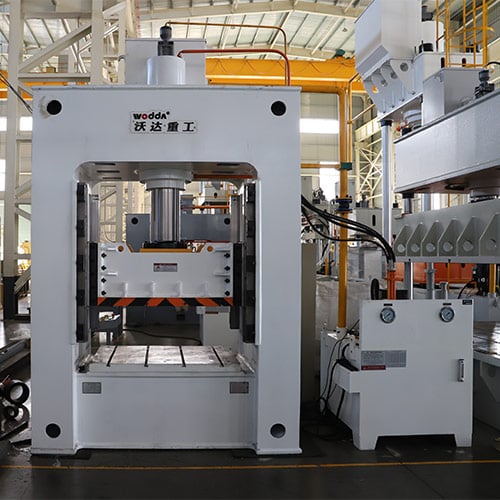
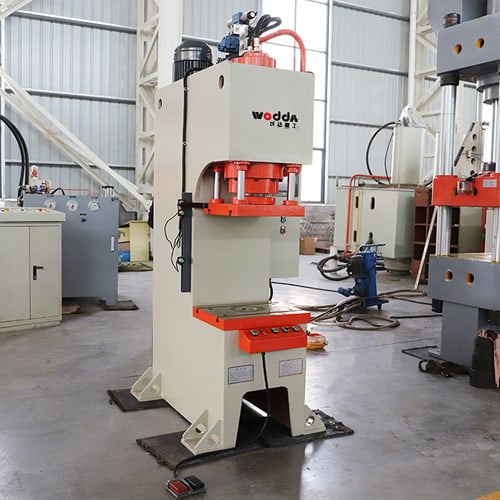
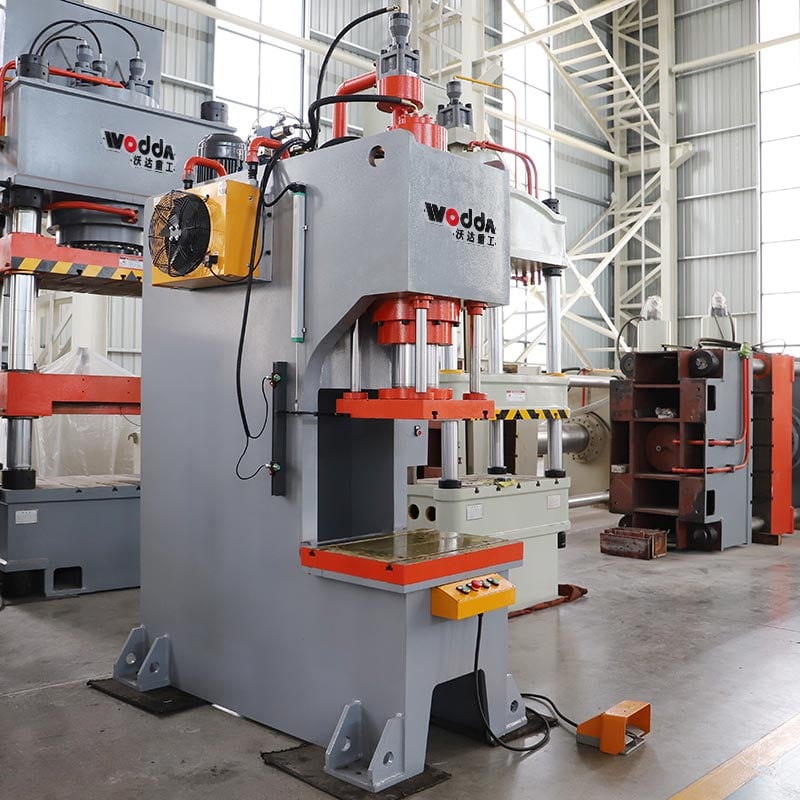
Provide one-stop service, covering customized design, production and manufacturing, installation and commissioning, and after-sales service of hydraulic presses. The main products include three-beam four-column hydraulic presses, single-column hydraulic presses and other types to meet the diverse needs of customers in different industries.
Always adhering to the service concept of "achieving customers and people-oriented", it provides customers with 24-hour online Q&A services to ensure that any problems encountered by customers during use can be solved in a timely manner. The company has a professional R&D team and technical support personnel who can respond to customer needs quickly.
Shandong Woda Heavy Machinery Co., Ltd. has dozens of national patent certificates with years of industry experience and technical accumulation, which fully demonstrates its innovative ability and technical strength in the field of forging machine tools. The company has passed the EU CE certification and ISO9001 international quality management system certification.
To maximize the performance and durability of your Woda, hydraulic press, consider the following strategies:
Regular Maintenance: Establish a routine maintenance schedule that includes checking hydraulic fluid levels, inspecting seals, and cleaning filters. Preventive maintenance can significantly reduce downtime and repair costs.
Use Quality Components: When replacing parts, invest in high-quality components that meet the original equipment manufacturer (OEM) specifications. This ensures compatibility and optimal performance.
Monitor Operating Conditions: Keep track of the operational environment and ensure that the hydraulic press is used within its specified limits. Extreme conditions, such as excessive heat or moisture, can negatively impact performance.
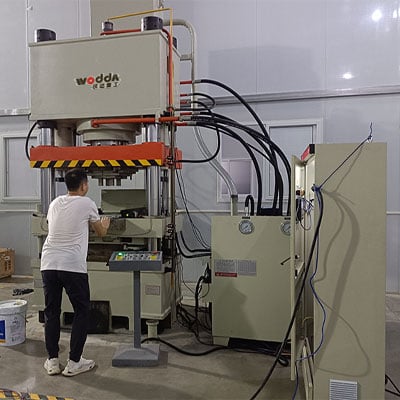
Train Operators: Proper training for operators on the correct use and handling of hydraulic press moulding machine can prevent misuse and extend the machine's lifespan. Educating them on recognizing early signs of wear or malfunction will also contribute to overall efficiency.
Upgrade Technology: Consider integrating advanced technology, such as automated controls or performance monitoring systems, to improve operational efficiency and reduce manual errors. Automation can enhance precision and consistency in application.
By implementing these strategies, you can not only improve the performance of your hydraulic presses but also ensure their longevity, ultimately leading to better productivity and cost savings for your operations.

Copyright © Shandong Woda Heavy Machinery Co., Ltd. All Rights Reserved. - Privacy Policy - Blog
 EN
 AR
 BG
 HR
 CS
 FR
 DE
 EL
 HI
 IT
 JA
 KO
 PT
 RO
 RU
 ES
 TL
 ID
 LV
 LT
 SR
 UK
 VI
 SQ
 TH
 TR
 MS
 MK
 HY
 AZ
 KA
 MN
 KK
 UZ
 KY