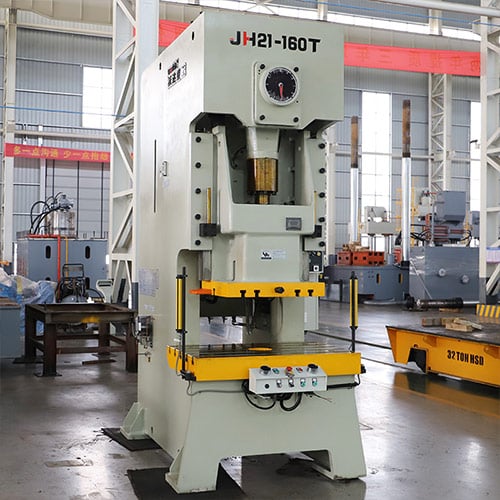
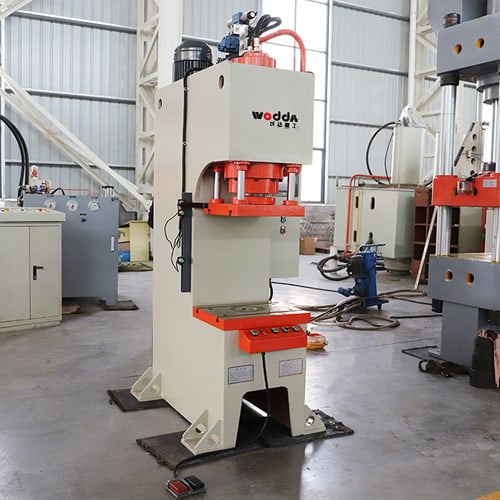
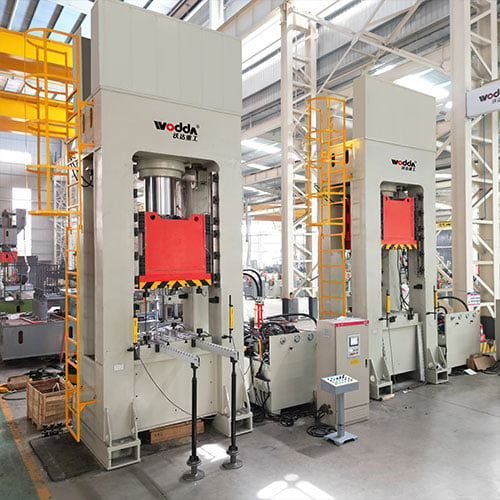
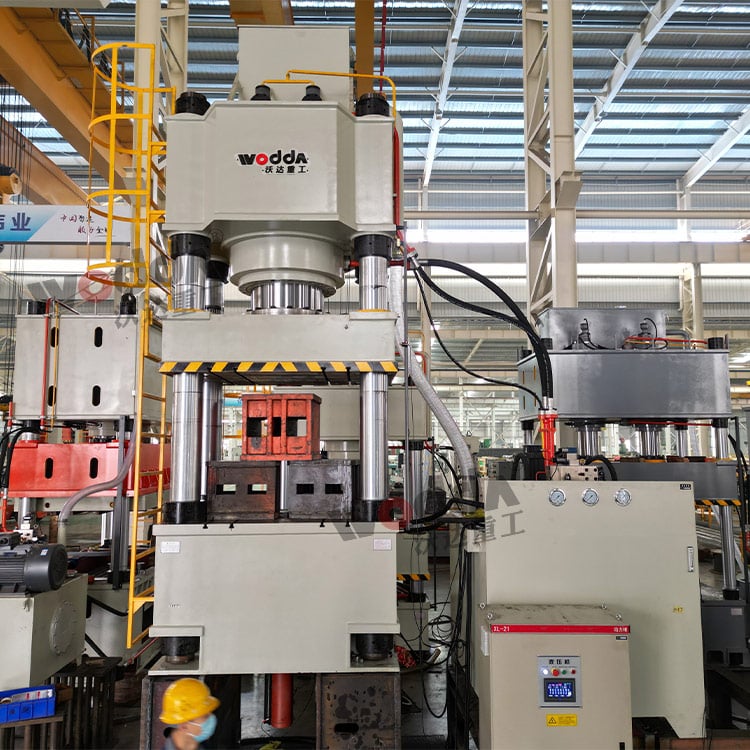
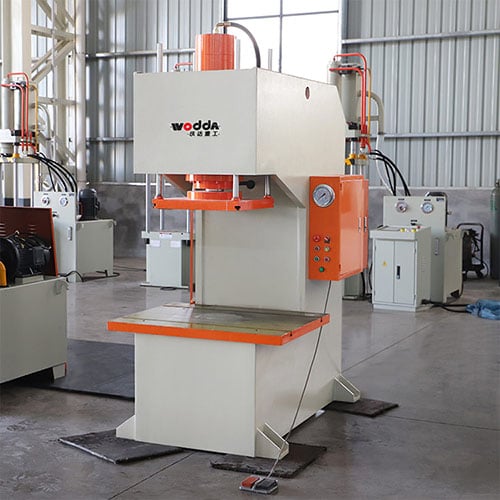
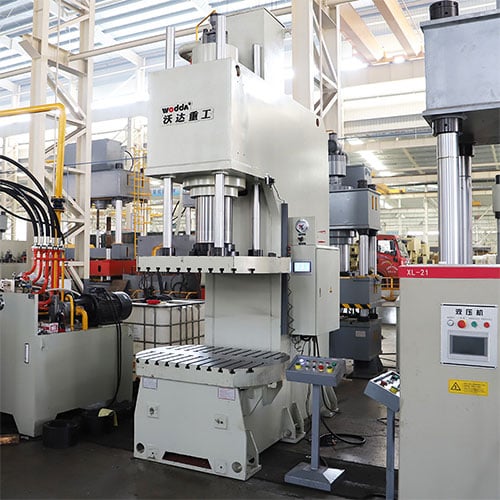
A hydraulic press machine for sinks is an essential tool in the manufacturing process, designed specifically to shape and form sink materials—like stainless steel or composite materials—into precise dimensions. For B2B buyers, concerns often revolve around selecting the right machine that meets production needs, ensuring quality, and understanding cost implications. This article will guide purchasing managers, engineers, and product managers through the critical aspects of hydraulic press machines tailored for sink applications.
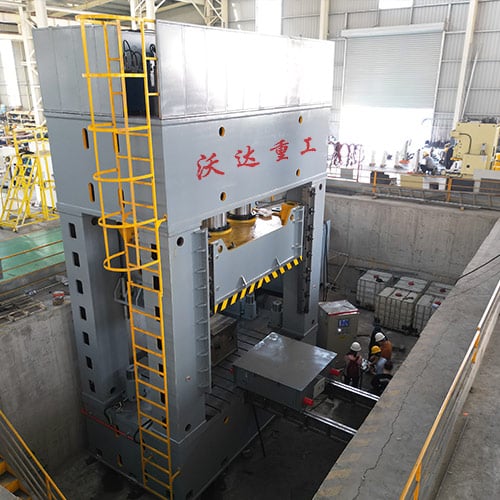
Choosing the right hydraulic press machine involves several considerations that align with your specific sink production needs. First, assess the type of sink you are manufacturing—whether it’s a single basin, double basin, or a more complex design. The machine's capacity, including tonnage, must match the thickness and type of material to be formed. For instance, thicker materials require higher tonnage for effective shaping. Additionally, consider the machine's structure. A 3-beam 4-column hydraulic press offers enhanced stability and reduced deflection, which is crucial for maintaining the accuracy of sink dimensions. Evaluate the machine's operational speed and efficiency, as these factors directly impact your production timeline. Finally, inquire about customization options to ensure the press can adapt to future design changes or varying production volumes.
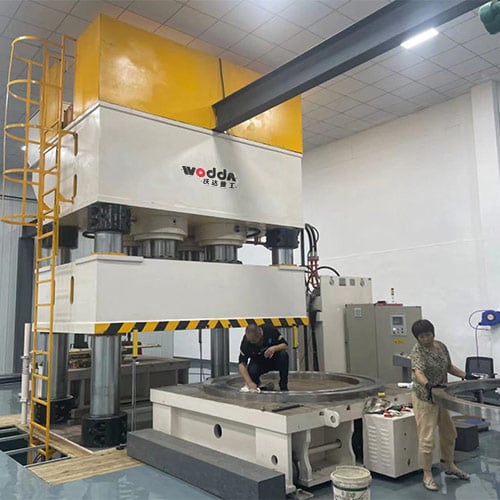
When assessing hydraulic press machines for sink production, keep an eye on the following key specifications:
Tonnage: This indicates the maximum force the machine can exert. It's essential to match this with the material thickness and type. Underpowered machines may lead to poor production quality, while over-specifying can increase costs unnecessarily.
Stroke Length: The stroke length defines how far the ram moves downwards, which affects the maximum height of the sinks you can produce. Ensure it accommodates the tallest sink designs you intend to manufacture.
Speed and Cycle Time: Faster machines enhance productivity, but it’s vital to balance speed with quality. Machines that cycle too quickly may lead to errors or surface imperfections.
Control System: Look for machines with advanced control systems that allow for precise adjustments. Digital controls can enhance repeatability and ease of operation.
Safety Features: Ensure the machine incorporates safety features such as emergency stop buttons and protective enclosures, which are crucial for safeguarding operators.
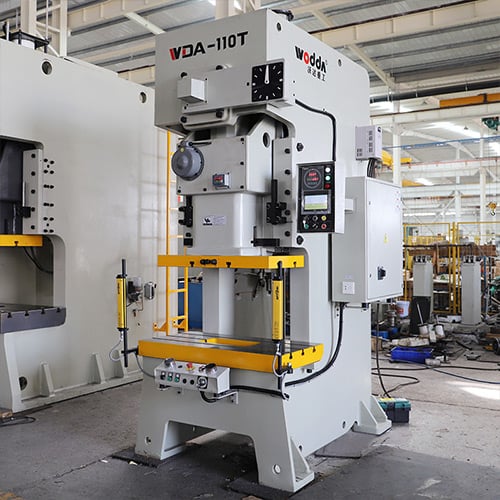
The cost of hydraulic press machines can vary significantly based on several factors. Primarily, the tonnage and specifications tailored to your production needs will influence pricing. Higher tonnage machines typically command higher prices due to their enhanced capabilities.
Additional costs to consider include:
Customization: If your production requires a customized machine, this can add to the base price. Custom features might include specialized tooling or unique operational capabilities. Maintenance and Operating Costs: Evaluate the expected maintenance costs associated with the machine. Machines with higher reliability ratings may have lower long-term operating costs. Training and Support: Factor in the costs associated with training your staff to operate the new machinery efficiently. Adequate training can reduce the risk of errors and improve productivity.Understanding these cost factors will help you budget effectively and make an informed purchasing decision.
While hydraulic press machines are robust, they can encounter common issues that may affect sink production. Here are a few problems and their potential solutions:
Pressure Loss: This can occur due to leaks in the hydraulic system. Regular inspections and maintenance can help identify and resolve leaks promptly.
Inconsistent Pressure: Fluctuations in pressure can lead to defects in the sink's surface or shape. Implementing a pressure monitoring system can provide real-time feedback and allow for adjustments to maintain consistency.
Overheating: Machines can overheat, especially during prolonged operation. Ensuring proper ventilation and regular cooling system maintenance can prevent overheating and prolong machine life.
Tool Wear: Tooling can wear out, affecting production quality. Regular checks and timely replacements of tooling can prevent this issue.
By being aware of these common problems and their solutions, buyers can ensure smoother operations and maintain production quality.
Shandong Woda Heavy Machinery Co., Ltd. has dozens of national patent certificates with years of industry experience and technical accumulation, which fully demonstrates its innovative ability and technical strength in the field of forging machine tools. The company has passed the EU CE certification and ISO9001 international quality management system certification.
Always adhering to the service concept of "achieving customers and people-oriented", it provides customers with 24-hour online Q&A services to ensure that any problems encountered by customers during use can be solved in a timely manner. The company has a professional R&D team and technical support personnel who can respond to customer needs quickly.
In the fields of automobile manufacturing, mechanical processing, hardware and electrical appliances, it provides customers with customized hydraulic press solutions. Products are widely used in automobile manufacturing, sheet metal processing, animal husbandry, mining, metallurgy, environmental protection, transportation and power generation.
Provide one-stop service, covering customized design, production and manufacturing, installation and commissioning, and after-sales service of hydraulic presses. The main products include three-beam four-column hydraulic presses, single-column hydraulic presses and other types to meet the diverse needs of customers in different industries.
Hydraulic press machines offer several advantages in the production of sinks:
Precision Forming: These machines provide the ability to create complex designs with high precision, ensuring that each sink meets exact specifications.
Material Versatility: Hydraulic presses can work with various materials, including stainless steel, composite materials, and plastics, making them suitable for diverse sink applications. Additionally, machines like the Composite Material Hydraulic Press can further enhance production capabilities.
High Production Rates: With optimized cycle times, hydraulic presses can significantly enhance production rates, which is essential for meeting market demand.
Reduced Labor Costs: Automation through hydraulic press machines can lead to reduced labor costs, as fewer operators are needed for high-volume production.
Energy Efficiency: Modern hydraulic presses are designed to be energy-efficient, reducing operational costs over time.
Investing in a hydraulic press machine tailored for sink production can lead to improved efficiency, quality, and profitability in your manufacturing processes.

Copyright © Shandong Woda Heavy Machinery Co., Ltd. All Rights Reserved. - Privacy Policy - Blog
 EN
 AR
 BG
 HR
 CS
 FR
 DE
 EL
 HI
 IT
 JA
 KO
 PT
 RO
 RU
 ES
 TL
 ID
 LV
 LT
 SR
 UK
 VI
 SQ
 TH
 TR
 MS
 MK
 HY
 AZ
 KA
 MN
 KK
 UZ
 KY