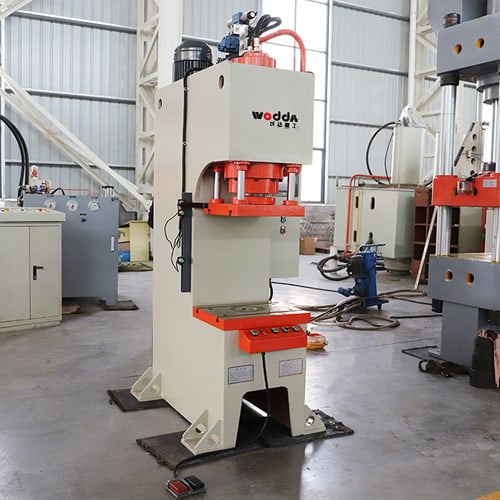
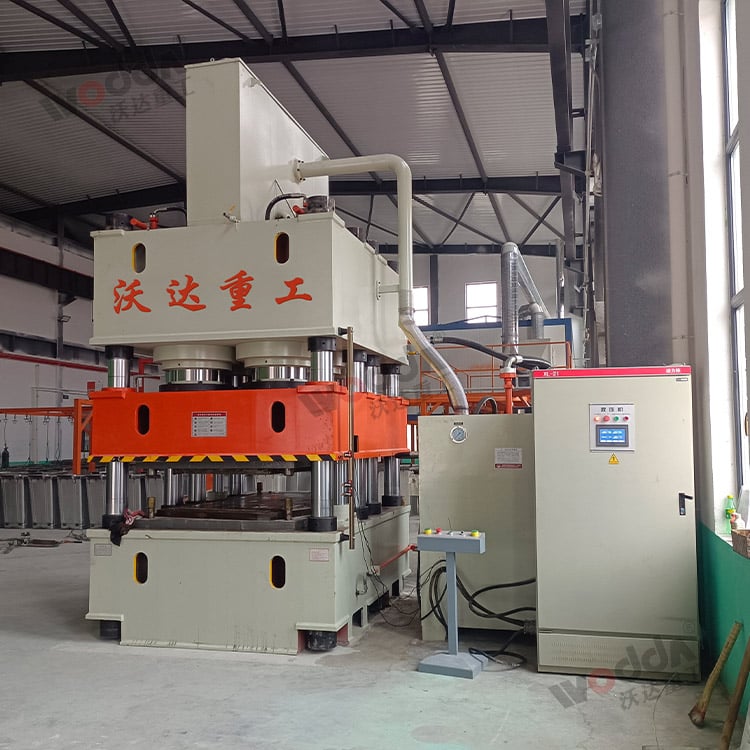
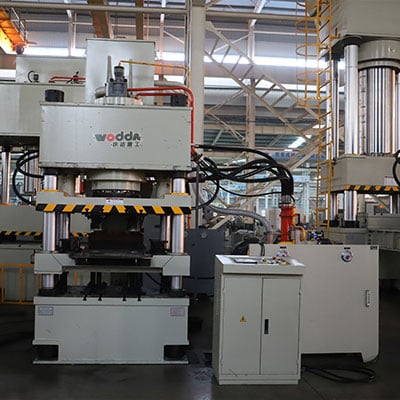
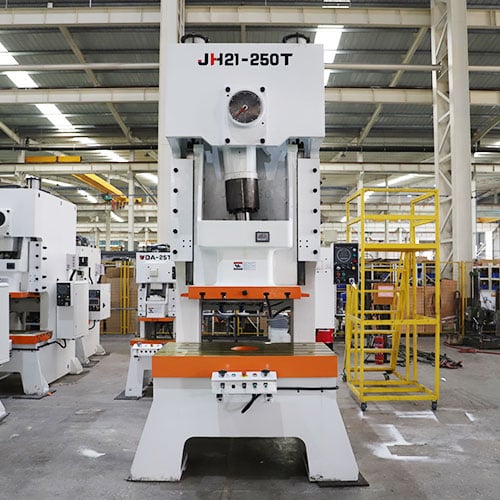
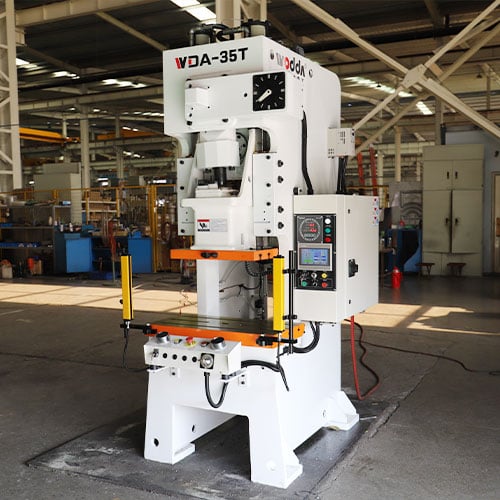
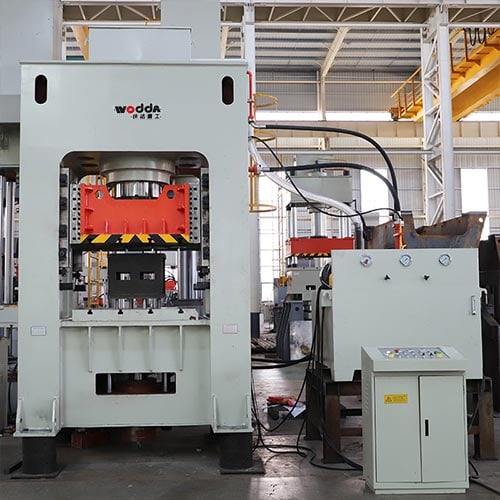
Hydraulic presses for molded wood pallets are essential machinery in the manufacturing process, particularly for producing durable and sustainable pallets used in various industries. These hydraulic presses efficiently compress wood fibers, creating strong and reliable molded wood pallets that meet logistical and storage demands. As a B2B buyer, understanding the specifications, installation, common issues, and quality evaluations associated with these presses will help you make informed purchasing decisions that align with your operational requirements. For instance, a reliable option for large-scale production is the 3000 tons steel door embossing machine, which showcases the efficiency of hydraulic technology.
When considering a hydraulic press for molded wood pallet production, several key specifications are crucial:
Pressing Force: The hydraulic press's capacity to generate force is vital for molding wood effectively. Depending on the density and thickness of the wood fibers used, a pressing force of 200 to 1,500 tons may be required. Ensure the press matches your production needs without overextending capacity.
Dimensions and Stroke Length: The dimensions of the press and its stroke length determine the size of the pallets that can be produced. Common dimensions might range from 2m to 5m in width, with stroke lengths that allow for sufficient compression and cooling times for molded products.
Frame Structure: Most hydraulic presses feature a robust 3-beam or 4-column design that ensures stability during operation. The choice of frame structure should consider the expected load and frequency of use to prevent deformation over time.
Control Systems: Advanced hydraulic presses come equipped with PLC (Programmable Logic Controller) systems for precise control over pressing conditions, including pressure, duration, and temperature. This feature enhances product consistency and reduces waste.
Material Compatibility: Depending on your product requirements, the hydraulic press should accommodate various wood types, including softwoods and hardwoods, as well as recycled materials. Confirm that the press can handle the specific materials you plan to use.
Understanding these specifications will help you select the right hydraulic press that aligns with your production goals and material needs. Additionally, considering options like the YQ32 Hydraulic Press Machine 500 Ton industrial Three Beam Four Column hydraulic press can enhance operational efficiency.
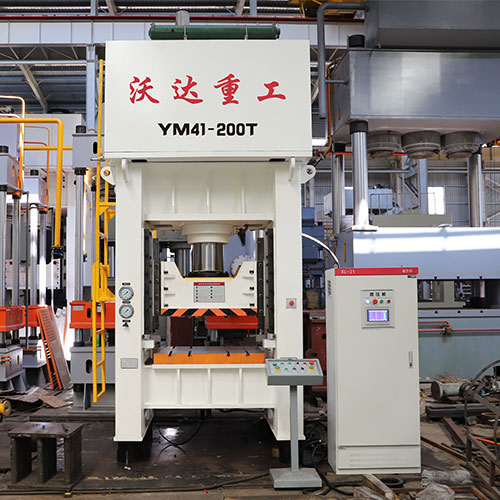
Finding a reliable supplier for hydraulic presses is critical. Here are some avenues to explore:
Direct Manufacturers: Companies like Shandong Woda Heavy Machinery specialize in hydraulic presses and possess the expertise to guide you through the selection process. Look for manufacturers with ISO9001 certifications and relevant patents, as these indicators often reflect quality assurance practices.
Industry Trade Shows: Attending trade shows related to manufacturing and machinery can provide firsthand experience with various hydraulic press models. You can interact with representatives and see the machines in action.
Online Marketplaces: Websites dedicated to industrial machinery often feature various suppliers. Look for platforms that allow you to compare specifications, prices, and customer reviews, ensuring you select a reputable seller.
Local Distributors: Finding local distributors can simplify the purchasing process and provide on-site support during installation and maintenance. Research distributors with a strong reputation in the wood processing industry.
Referrals and Recommendations: Networking with other businesses in the wood pallet manufacturing sector can yield valuable insights into reliable suppliers. Peer recommendations can help identify trustworthy sources for purchasing hydraulic presses.
By exploring these options, you can find high-quality hydraulic presses that meet your production needs and budget.
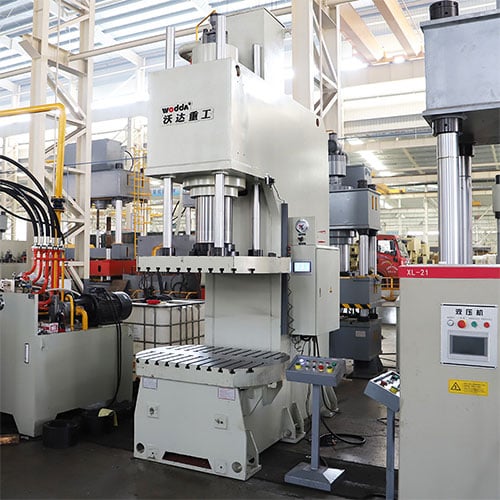
Proper installation of hydraulic presses is crucial for ensuring optimal performance and longevity. Here are some key steps to follow:
Site Preparation: Ensure the installation area is level and capable of supporting the press's weight. Adequate space for operator access and maintenance is essential. Consider the layout to facilitate material handling.
Power Supply and Connections: Verify that the electrical supply meets the press's specifications. Installation should comply with local electrical codes, and consulting a qualified electrician is recommended.
Hydraulic Connections: The hydraulic system must be correctly connected and tested for leaks. Ensure that hoses and fittings are compatible and rated for the required pressure levels.
Calibration: After installation, calibrate the press according to the manufacturer's specifications. This may involve adjusting pressure settings, stroke lengths, and operational parameters to align with the desired production output.
Training for Operators: Provide training for operators on how to use the hydraulic press safely and efficiently. They should understand emergency procedures and routine maintenance checks to ensure consistent performance.
Proper installation and operator training play a significant role in maximizing the efficiency and reliability of hydraulic presses in molded wood pallet production.
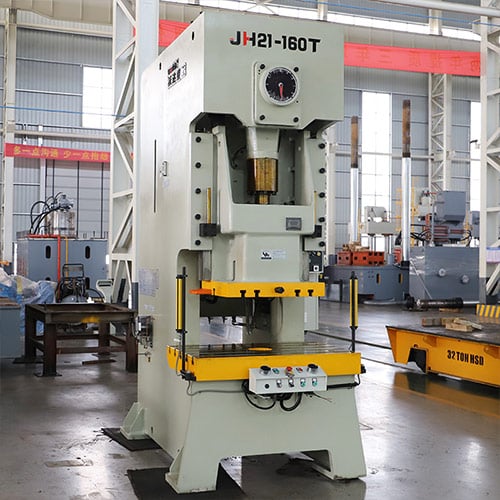
Hydraulic presses may encounter various operational issues that can affect production. Here are some common problems and their solutions:
Hydraulic Leaks: Leaks can occur due to worn seals, damaged hoses, or loose fittings. Regular inspections and maintenance are essential. Replacing seals and tightening connections can often resolve these issues.
Inconsistent Pressure: Fluctuations in pressure may lead to poor-quality pallets. This can be caused by valve malfunctions or contamination in the hydraulic fluid. Ensure regular maintenance and replace hydraulic fluid as recommended.
Overheating: If the hydraulic system overheats, it can cause operational failures. Ensure proper cooling systems are in place and that the hydraulic fluid is at the correct level. Installing temperature gauges can help monitor this.
Misalignment: If the press components are misaligned, it can lead to uneven compression and product defects. Regularly check the alignment and recalibrate as necessary to ensure optimal operation.
Electrical Failures: Issues such as blown fuses or faulty wiring can halt production. Conduct routine electrical inspections and ensure all electrical components are in good working condition.
Understanding these common issues and their solutions will help you maintain your hydraulic press effectively, minimizing downtime and ensuring consistent production quality.
In the fields of automobile manufacturing, mechanical processing, hardware and electrical appliances, it provides customers with customized hydraulic press solutions. Products are widely used in automobile manufacturing, sheet metal processing, animal husbandry, mining, metallurgy, environmental protection, transportation and power generation.
Always adhering to the service concept of "achieving customers and people-oriented", it provides customers with 24-hour online Q&A services to ensure that any problems encountered by customers during use can be solved in a timely manner. The company has a professional R&D team and technical support personnel who can respond to customer needs quickly.
Shandong Woda Heavy Machinery Co., Ltd. has dozens of national patent certificates with years of industry experience and technical accumulation, which fully demonstrates its innovative ability and technical strength in the field of forging machine tools. The company has passed the EU CE certification and ISO9001 international quality management system certification.
Provide one-stop service, covering customized design, production and manufacturing, installation and commissioning, and after-sales service of hydraulic presses. The main products include three-beam four-column hydraulic presses, single-column hydraulic presses and other types to meet the diverse needs of customers in different industries.
When purchasing a hydraulic press, evaluating its quality is paramount. Here are some factors to consider:
Material Quality: Inspect the materials used in the construction of the press. High-strength steel and durable components enhance longevity and performance under heavy loads.
Certifications and Standards: Look for presses that meet industry standards and certifications. Compliance with ISO9001 and CE marking indicates adherence to quality management and safety practices.
Operational Testing: Request a demonstration or operational test of the hydraulic press. This allows you to assess performance, noise levels, and overall functionality before making a purchase.
After-Sales Support: Quality does not end with the sale; ensure the manufacturer provides robust after-sales support, including maintenance services and access to replacement parts. This can significantly impact the press's operational lifespan.
User Reviews and Case Studies: Research user reviews and case studies from other companies that have used the press. Feedback from current users can provide insights into reliability and performance over time.
By focusing on these evaluation criteria, you can ensure that the hydraulic press you choose for molded wood pallet production meets your quality standards and operational needs.

Copyright © Shandong Woda Heavy Machinery Co., Ltd. All Rights Reserved. - Privacy Policy - Blog
 EN
 AR
 BG
 HR
 CS
 FR
 DE
 EL
 HI
 IT
 JA
 KO
 PT
 RO
 RU
 ES
 TL
 ID
 LV
 LT
 SR
 UK
 VI
 SQ
 TH
 TR
 MS
 MK
 HY
 AZ
 KA
 MN
 KK
 UZ
 KY