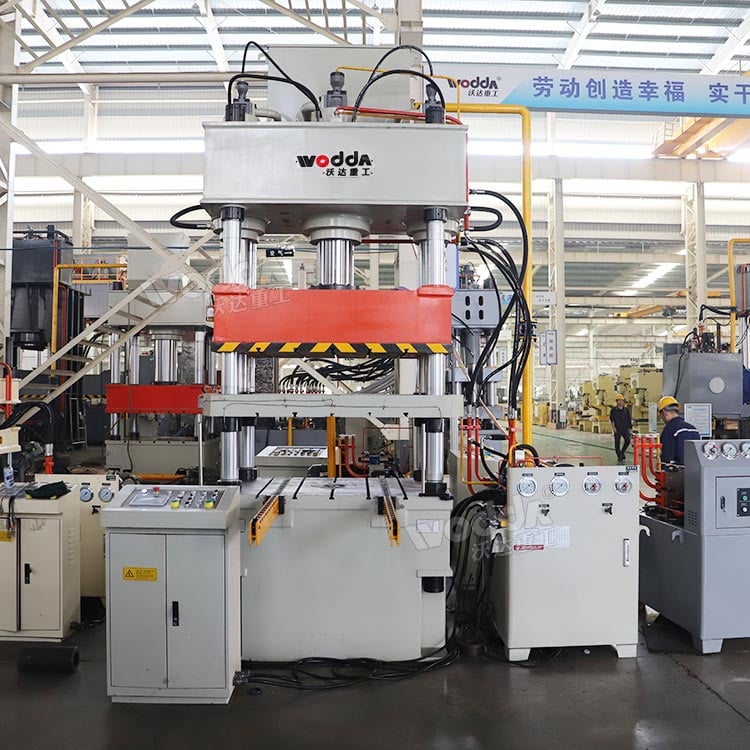
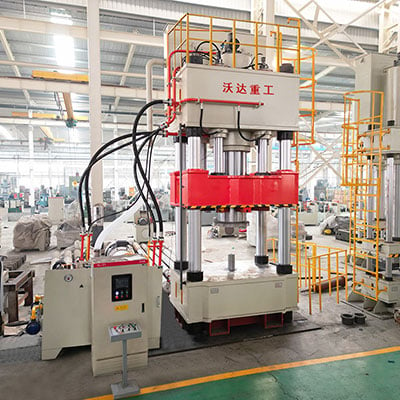
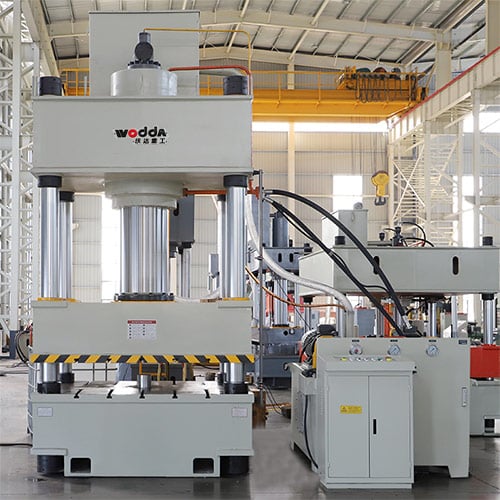
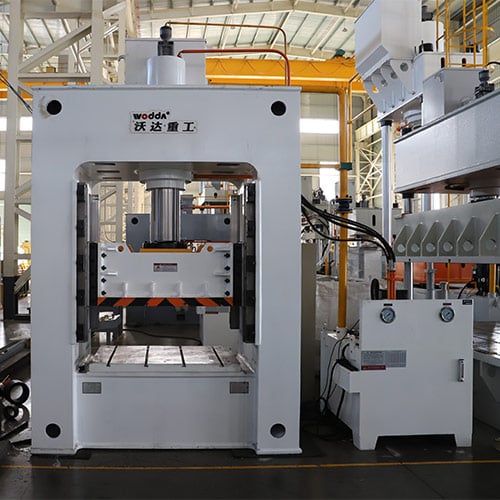
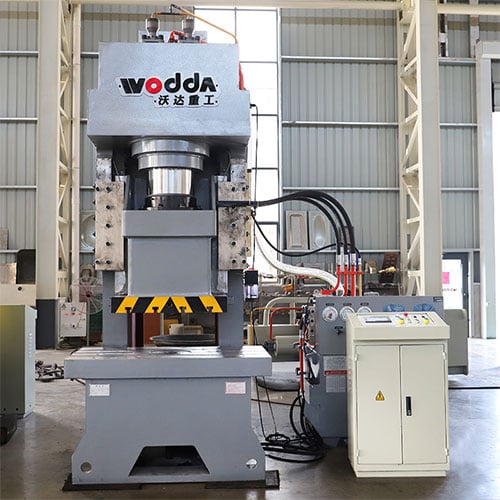
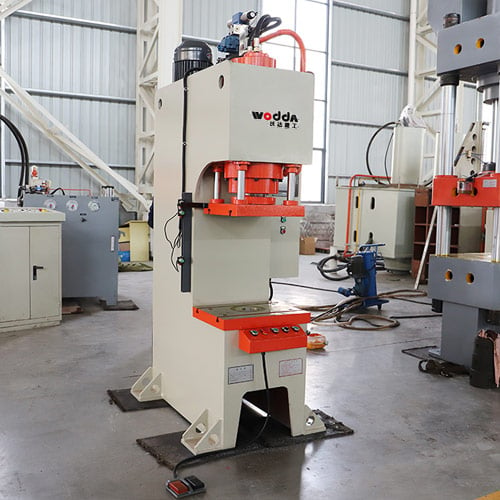
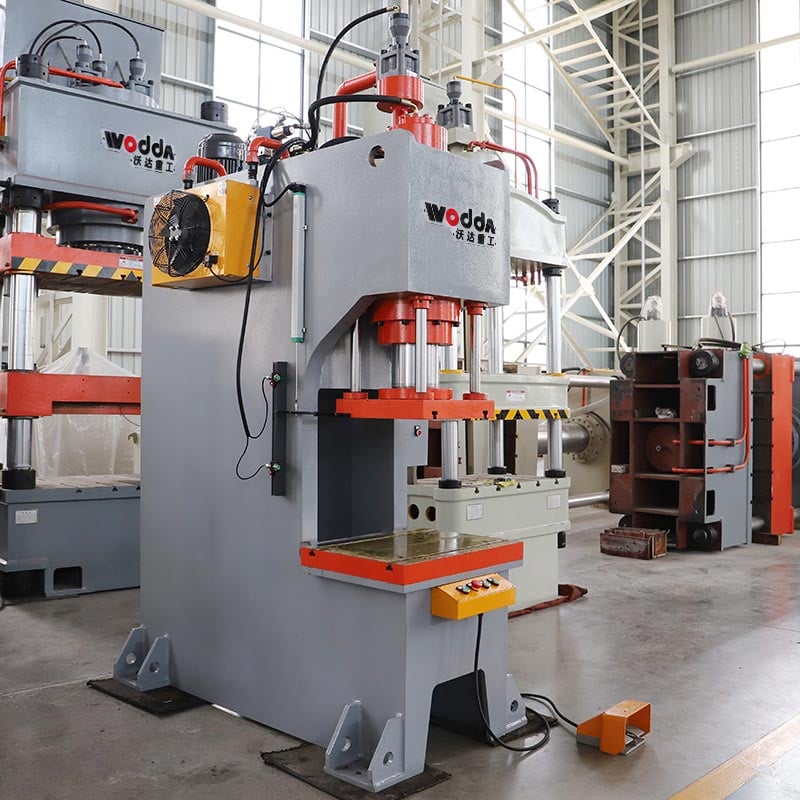
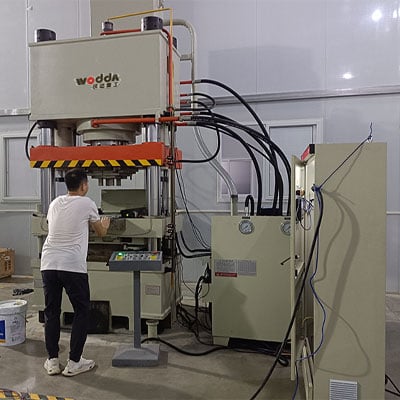
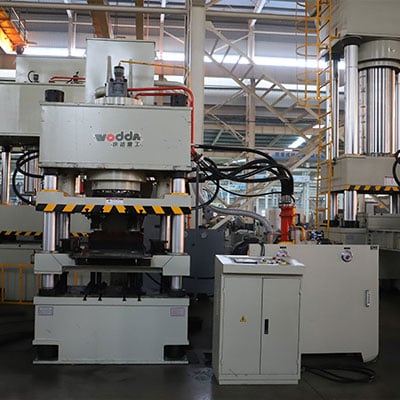
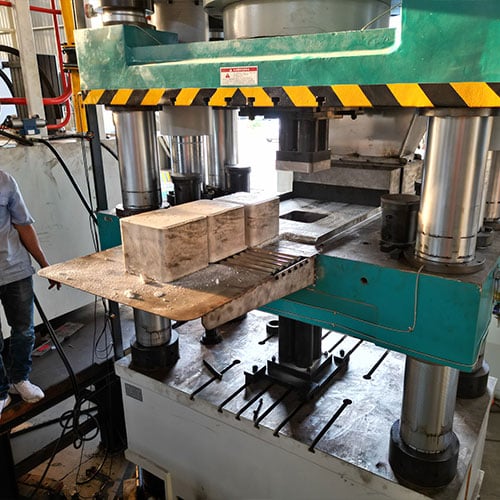
When considering the purchase of a hydraulic press, specifically a hydraulic press 200 ton, it’s essential to understand the product's capabilities, specifications, and applications. This type of machinery is integral in various sectors, including automotive, metallurgy, and manufacturing. B2B buyers, such as purchasing managers and engineers, often have concerns regarding quality, operational efficiency, and long-term reliability. This article aims to provide practical insights into choosing, installing, and maintaining a smc hydraulic press while addressing common issues and cost factors.
Selecting the right hydraulic press involves evaluating several critical factors. First, consider the type of tasks you will perform. A hydraulic press 200 ton is versatile, suited for applications such as metal forming, punching, and molding. Assess the maximum load requirements for your specific project, as this will inform your choice.
Next, examine the construction and design of the press. A 3-beam 4-column configuration is common for hydraulic presses due to its stability and ability to distribute load evenly, reducing wear on the machine and ensuring consistent performance. Additionally, check for certifications such as ISO9001 and CE, which indicate adherence to international quality and safety standards.
Material compatibility is another vital consideration. Depending on the materials being processed—be it metals, plastics, or composites—you may need a press that can handle specific conditions, such as temperature variations or corrosive environments.
Lastly, consider the manufacturer’s reputation and support services. A company like Shandong Woda Heavy Machinery, known for its R&D and production expertise, can be a reliable partner in ensuring you select a machine that meets both your immediate and future operational needs.
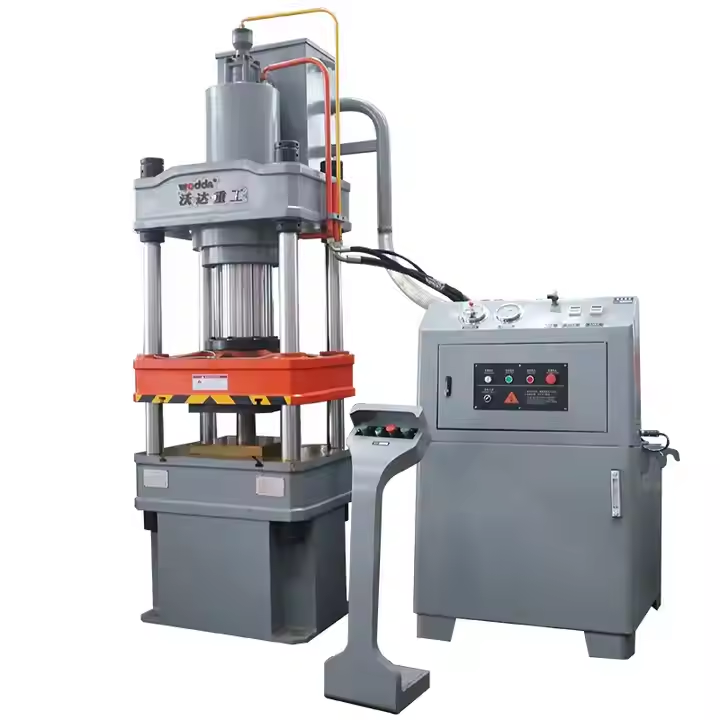
Proper installation is crucial for the optimal performance of your hydraulic press. Begin by ensuring that the installation site is level and capable of supporting the machine's weight and operational stresses. The hydraulic press should be placed on a solid foundation to minimize vibrations and maintain precision during operation.
Next, follow the manufacturer's guidelines for connecting hydraulic lines and electrical systems. It’s essential to use high-quality hoses and fittings to prevent leaks and pressure drops that could affect performance. After installation, conduct a thorough inspection of all connections and components to ensure everything is secure.
Calibration is also an important step. Adjust the 120 ton hydraulic press settings according to the specifications provided by the manufacturer, and perform a test run to confirm that the machine operates smoothly under load. This initial setup ensures that the hydraulic press will function effectively and efficiently for your production needs.
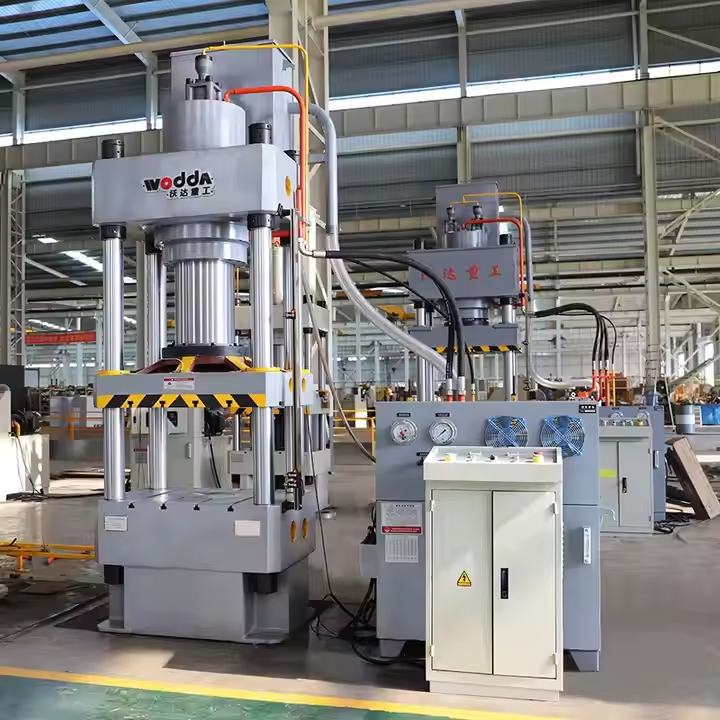
Despite their robust design, hydraulic presses can encounter various issues during operation. One common problem is hydraulic fluid leaks, which can lead to pressure loss and inefficient operation. Regular maintenance, including checking seals and connections, can help mitigate this issue.
Another frequent challenge is improper pressure settings, which can cause incomplete operations or damage to materials. It’s important to regularly calibrate the machine according to the specifications of the materials being processed.
Overheating is also a concern, particularly during prolonged use. Ensure that the hydraulic system is adequately cooled, and consider implementing a monitoring system to track temperature levels. If overheating occurs frequently, it may indicate a need for system upgrades or adjustments to your operational procedures.
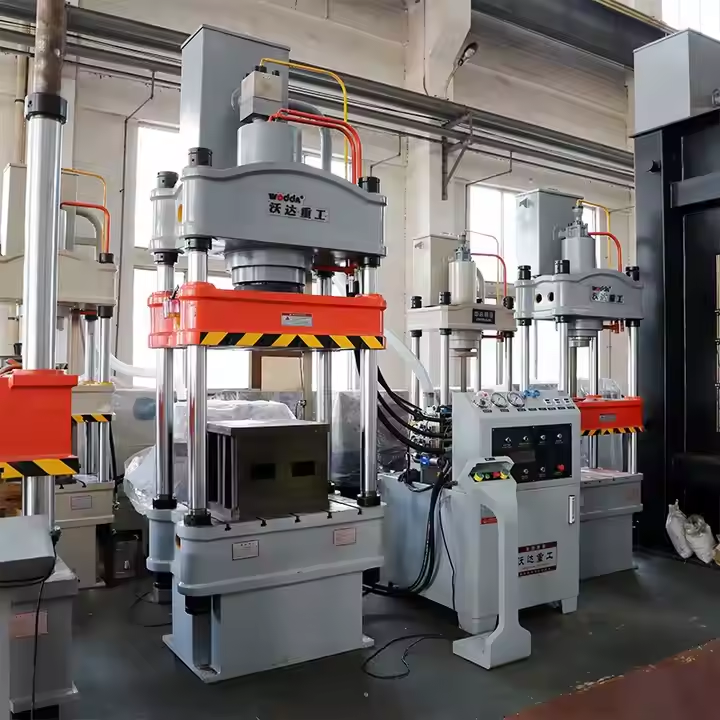
The total cost of a Woda hydraulic press extends beyond the initial purchase price. When budgeting for a 200 ton hydraulic press, consider several cost factors:
Initial Purchase Price: This includes the base price of the machine and any optional features or upgrades.
Operating Costs: Evaluate the energy consumption and maintenance expenses. A well-designed hydraulic press can minimize energy usage, which is crucial for long-term operational efficiency.
Installation and Setup: Factor in costs related to installation, including any specialized equipment or personnel required for setup.
Training: Providing adequate training for operators is essential. This investment can prevent costly errors and ensure that the press operates at peak efficiency.
Maintenance and Parts: Regular maintenance is key to longevity. Consider service contracts or warranties that cover essential parts and labor.
Understanding these cost factors will help you make a more informed purchasing decision and enable you to budget accurately for the lifecycle of your hydraulic press.
Always adhering to the service concept of "achieving customers and people-oriented", it provides customers with 24-hour online Q&A services to ensure that any problems encountered by customers during use can be solved in a timely manner. The company has a professional R&D team and technical support personnel who can respond to customer needs quickly.
In the fields of automobile manufacturing, mechanical processing, hardware and electrical appliances, it provides customers with customized hydraulic press solutions. Products are widely used in automobile manufacturing, sheet metal processing, animal husbandry, mining, metallurgy, environmental protection, transportation and power generation.
Shandong Woda Heavy Machinery Co., Ltd. has dozens of national patent certificates with years of industry experience and technical accumulation, which fully demonstrates its innovative ability and technical strength in the field of forging machine tools. The company has passed the EU CE certification and ISO9001 international quality management system certification.
Provide one-stop service, covering customized design, production and manufacturing, installation and commissioning, and after-sales service of hydraulic presses. The main products include three-beam four-column hydraulic presses, single-column hydraulic presses and other types to meet the diverse needs of customers in different industries.
Hydraulic presses, particularly those with a Woda 200 ton capacity, find applications across a wide range of industries. In the automotive sector, they are used for metal stamping, forming, and assembly processes. Their ability to apply significant force makes them ideal for shaping and manipulating materials into precise forms.
In the sheet metal industry, hydraulic presses are essential for operations like bending, punching, and cutting. They facilitate the efficient production of components used in various applications, from appliances to structural supports.
The mining and metallurgy sectors also leverage hydraulic presses for processes such as forging and compacting materials. Their robustness allows for the processing of tough materials, ensuring durability and performance in demanding environments.
Moreover, these presses can be customized to meet specific requirements, such as adjusting stroke length or integrating advanced control systems. This versatility enhances their applicability across different projects and industries, making them a valuable asset in your manufacturing toolkit.
By understanding these aspects of hydraulic press machine 150 ton, buyers can navigate the purchasing process more effectively, ensuring they choose a machine that aligns with their operational requirements and industry standards.

Copyright © Shandong Woda Heavy Machinery Co., Ltd. All Rights Reserved. - Privacy Policy - Blog
 EN
EN AR
AR BG
BG HR
HR CS
CS FR
FR DE
DE EL
EL HI
HI IT
IT JA
JA KO
KO PT
PT RO
RO RU
RU ES
ES TL
TL ID
ID LV
LV LT
LT SR
SR UK
UK VI
VI SQ
SQ TH
TH TR
TR MS
MS MK
MK HY
HY AZ
AZ KA
KA MN
MN KK
KK UZ
UZ KY
KY