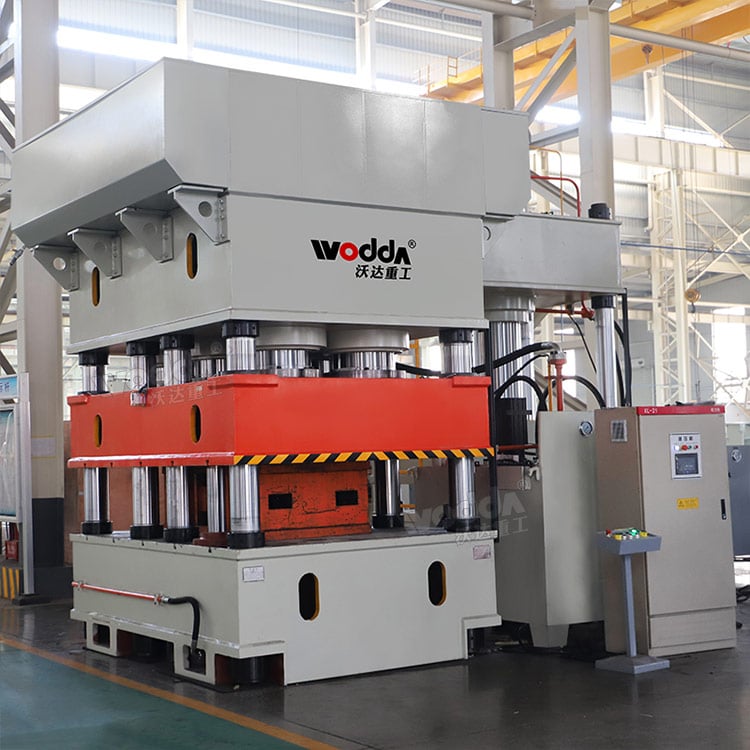
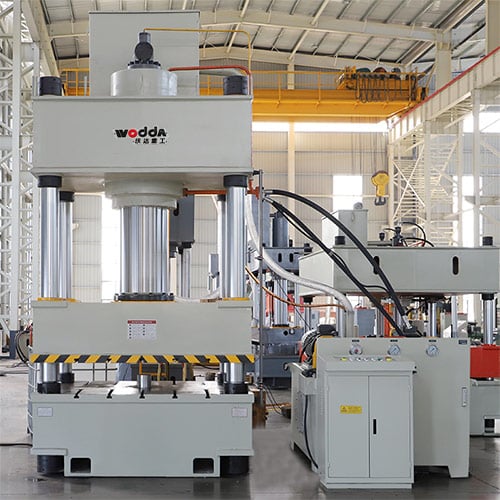
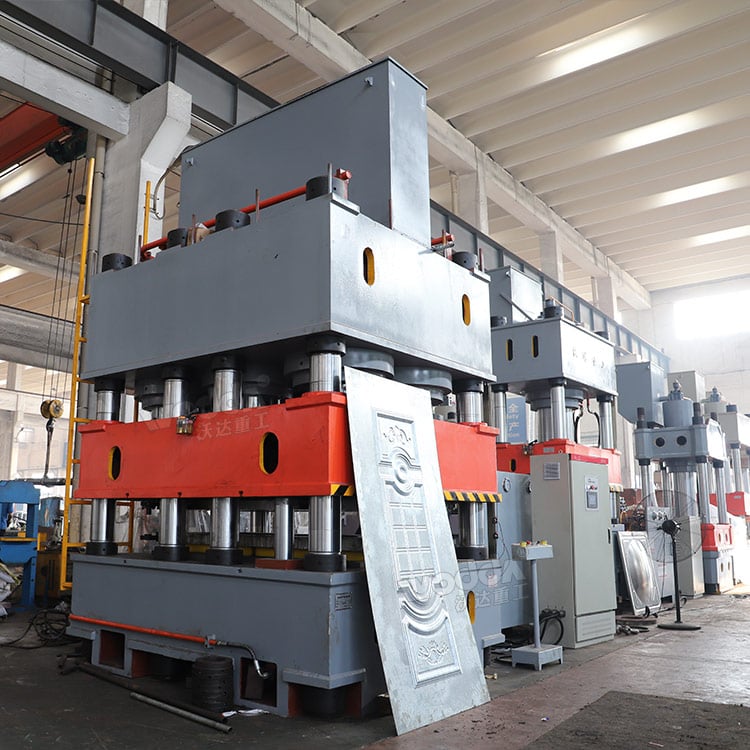
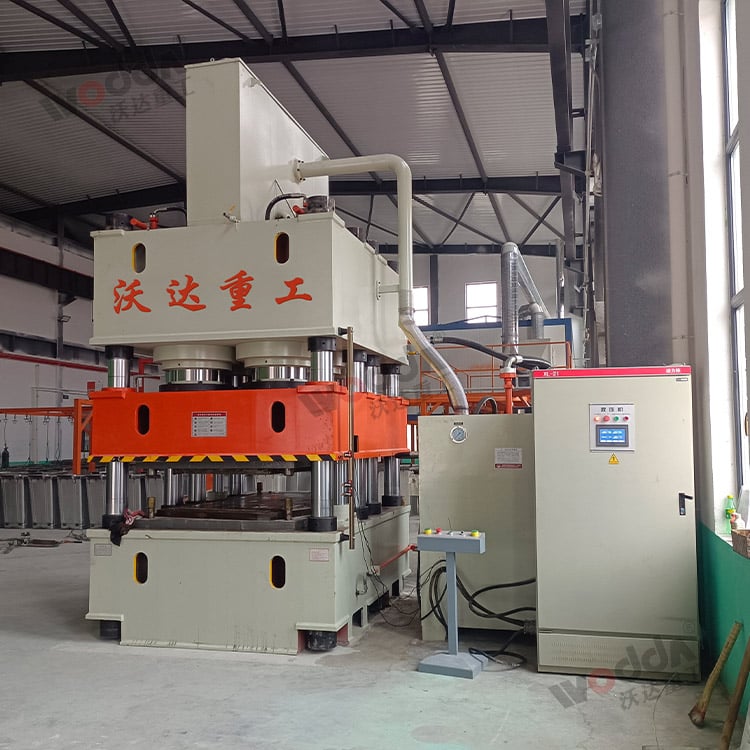
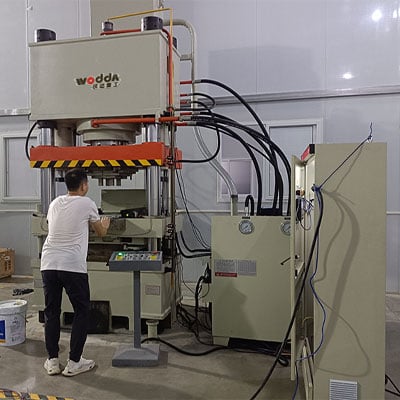
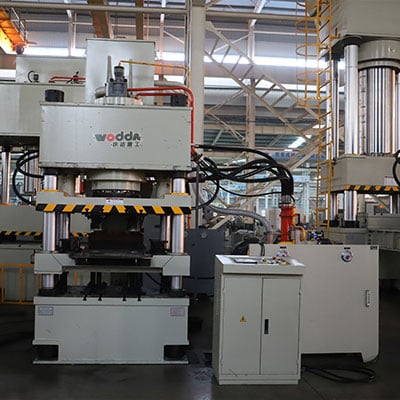
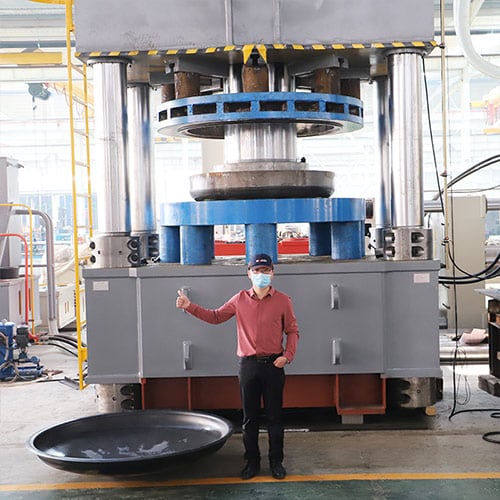
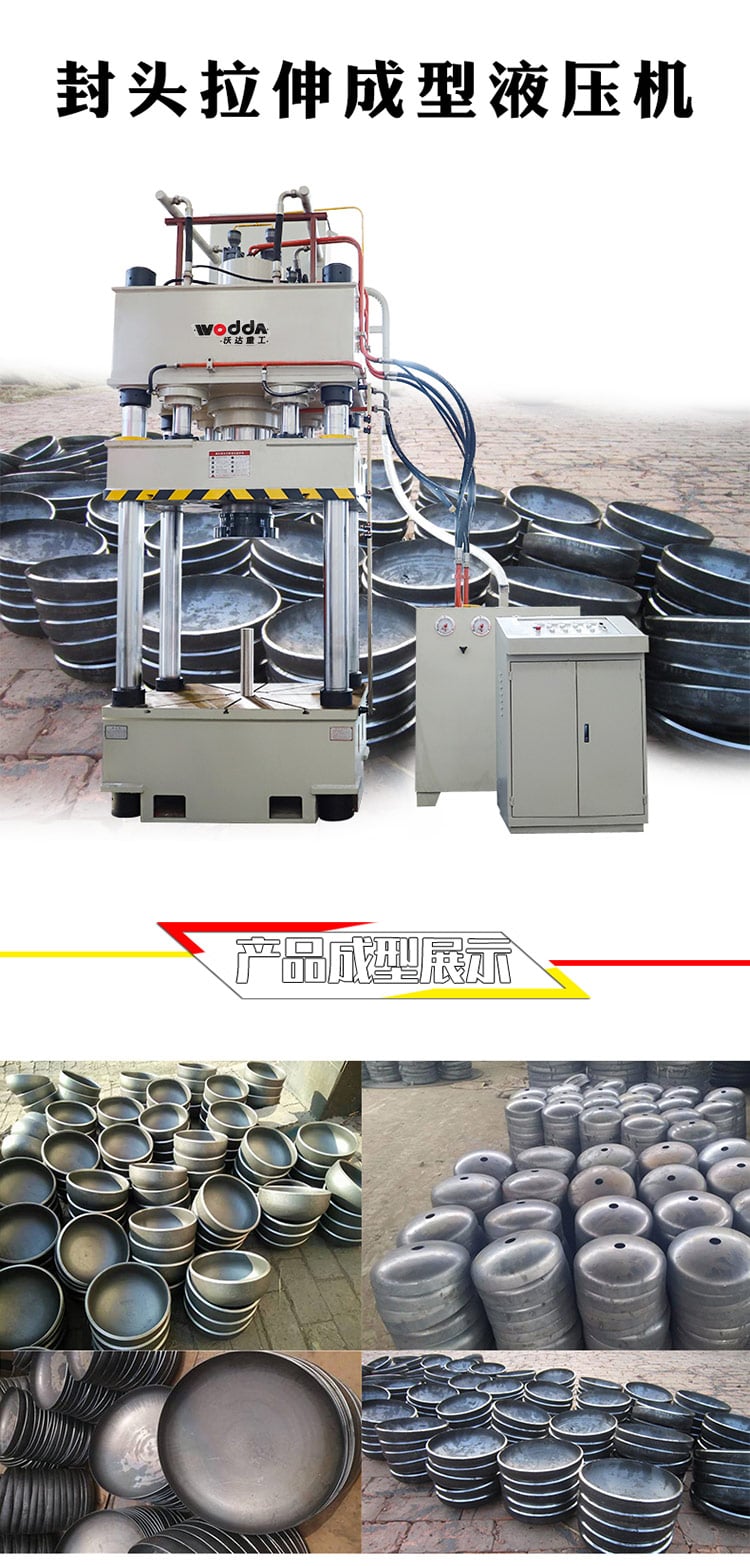
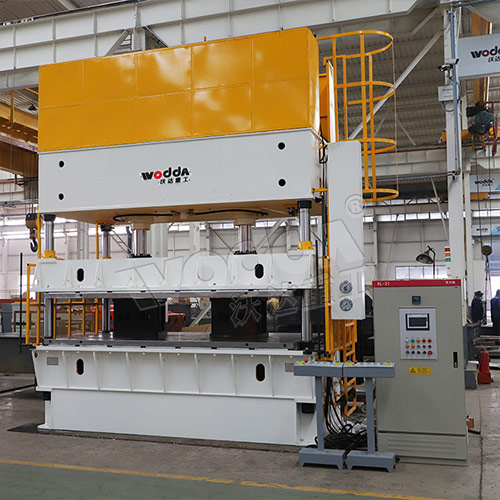
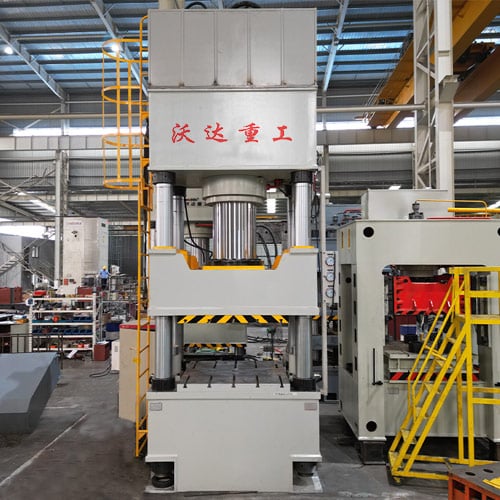
Hydraulic metal stamping press machines are essential tools in various industries, utilized for shaping and forming metal sheets through a process of applying pressure. For B2B buyers—such as purchasing managers, engineers, and distributors—understanding the intricacies of these moulding press machine is crucial. This article will explore key specifications, quality evaluations, common problems and solutions, application areas, and installation guidance, ensuring you make informed purchasing decisions.
When selecting a Woda hydraulic metal stamping press machine, several key specifications must be taken into account. These include:
Force Capacity: The machine's tonnage determines its ability to handle different metal thicknesses and material types. Ensure the press can accommodate the maximum thickness of the materials you plan to work with.
Stroke Length: This refers to the distance the ram travels during the pressing cycle. A longer stroke allows for deeper drawing and forming capabilities, which is vital for complex shapes.
Bed Size: The dimensions of the bed determine the size of the material that can be processed. Be sure to match this with your production requirements to avoid limitations.
Speed: The operational speed of the press affects productivity. Evaluate the machine's cycles per minute (CPM) to determine if it meets your operational needs.
Control System: Modern hydraulic presses come with advanced control systems that allow for precise adjustments and automation. Assess whether you need a manual or CNC-controlled machine based on your production scale and complexity.
Material Compatibility: Depending on your applications—whether in automotive, sheet metal, or construction—ensure the press can handle the specific types of materials you will use, such as steel, aluminum, or composites.
Selecting a 200t hydraulic press machine that meets these specifications will enhance operational efficiency and product quality.
Quality assessment of hydraulic metal stamping presses involves several critical factors:
Manufacturing Standards: Look for machines that adhere to international quality certifications such as ISO 9001 and CE marking. These certifications indicate compliance with established quality management systems and safety standards.
Material Quality: Examine the materials used in the construction of the press. High-grade steel and robust components contribute to the longevity and reliability of the machine.
Quality Control Processes: A reputable manufacturer will have stringent quality control processes in place. Ask about their quality assurance protocols, such as testing methods and inspection criteria before, during, and after production.
User Feedback: Gather reviews and testimonials from other users in your industry. Insights about performance, durability, and service support can guide your evaluation.
After-Sales Support: Consider the manufacturer's reputation for customer service. An established manufacturer, like Shandong Woda Heavy Machinery, offers comprehensive support, including training, maintenance, and spare parts availability.
By thoroughly evaluating these aspects, you can ensure that your investment in a hydraulic metal stamping press machine translates into reliable and high-quality production.
While hydraulic metal stamping presses are robust, they may encounter common issues. Here are some typical problems and their solutions:
Hydraulic Leaks: Leaks can occur due to worn seals or fittings. Regular maintenance checks and timely replacement of faulty components can prevent minor issues from escalating.
Inconsistent Pressure: Fluctuating pressure can lead to uneven stamping results. Ensure that the hydraulic system is free of air bubbles and that the fluid is at the correct level. Routine inspections of the hydraulic pump and lines are essential.
Misalignment: Misalignment can cause defects in the stamped parts. To prevent this, regularly calibrate the machine and check the alignment of the die and ram.
Overheating: Continuous operation can lead to overheating, affecting performance. Implementing cooling systems or allowing for scheduled breaks during operation can mitigate this issue.
Wear and Tear: Over time, components may wear out, affecting production quality. Establish a preventive maintenance schedule to replace worn parts proactively.
Addressing these common problems with proactive measures can enhance the longevity and performance of hydraulic punch press machine.
Hydraulic metal stamping press machines find applications across various industries due to their versatility and efficiency. Key sectors include:
Automotive: These machines are integral in producing components such as body panels, brackets, and support structures. The high precision and repeatability of hydraulic presses are vital for meeting the stringent quality standards in automotive manufacturing.
Sheet Metal Fabrication: In the fabrication of products ranging from HVAC components to enclosures, hydraulic stamping presses enable the efficient shaping and forming of metal sheets.
Mining and Metallurgy: Hydraulic presses are employed to manufacture parts used in mining machinery and equipment, providing the necessary strength and durability to withstand harsh environments.
Electronics: In the electronics industry, hydraulic presses are used to create intricate parts for devices, ensuring high precision and minimal waste.
Construction: Components such as brackets, frames, and supports are produced using hydraulic stamping, facilitating the assembly of robust structures.
The adaptability of hydraulic metal stamping presses across these diverse applications underscores their importance in modern manufacturing processes.
In the fields of automobile manufacturing, mechanical processing, hardware and electrical appliances, it provides customers with customized hydraulic press solutions. Products are widely used in automobile manufacturing, sheet metal processing, animal husbandry, mining, metallurgy, environmental protection, transportation and power generation.
Shandong Woda Heavy Machinery Co., Ltd. has dozens of national patent certificates with years of industry experience and technical accumulation, which fully demonstrates its innovative ability and technical strength in the field of forging machine tools. The company has passed the EU CE certification and ISO9001 international quality management system certification.
Always adhering to the service concept of "achieving customers and people-oriented", it provides customers with 24-hour online Q&A services to ensure that any problems encountered by customers during use can be solved in a timely manner. The company has a professional R&D team and technical support personnel who can respond to customer needs quickly.
Provide one-stop service, covering customized design, production and manufacturing, installation and commissioning, and after-sales service of hydraulic presses. The main products include three-beam four-column hydraulic presses, single-column hydraulic presses and other types to meet the diverse needs of customers in different industries.
Proper installation of a Woda hydraulic metal stamping press is critical for optimal performance. Here are essential steps to ensure a successful installation:
Site Preparation: Ensure the installation area is level, spacious, and equipped with adequate power supply and hydraulic connections. Consider the necessary safety measures, including proper ventilation and emergency shut-off systems.
Foundation Requirements: A sturdy foundation is essential to support the weight and operational forces of the press. Consult the manufacturer’s guidelines for specific foundation designs and material recommendations.
Alignment: During installation, check the alignment of the machine with the production line. Misalignment can lead to operational inefficiencies and increased wear.
Hydraulic Connection: Follow the manufacturer’s instructions for connecting hydraulic lines, ensuring there are no kinks or bends that could impede fluid flow.
Testing: After installation, conduct thorough testing to ensure all systems are functioning correctly. This includes checking hydraulic pressures, stroke length, and operational speeds.
Training: Involve operators in comprehensive training sessions on safe operation and maintenance. Well-trained personnel can significantly reduce the risk of accidents and improve machine longevity.
By adhering to these installation guidelines, you can maximize the performance and durability of your hydraulic metal stamping press machine, ensuring it meets your production needs effectively.

Copyright © Shandong Woda Heavy Machinery Co., Ltd. All Rights Reserved. - Privacy Policy - Blog
 EN
 AR
 BG
 HR
 CS
 FR
 DE
 EL
 HI
 IT
 JA
 KO
 PT
 RO
 RU
 ES
 TL
 ID
 LV
 LT
 SR
 UK
 VI
 SQ
 TH
 TR
 MS
 MK
 HY
 AZ
 KA
 MN
 KK
 UZ
 KY