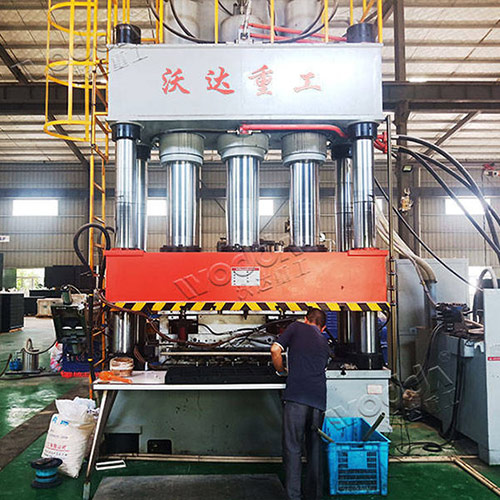
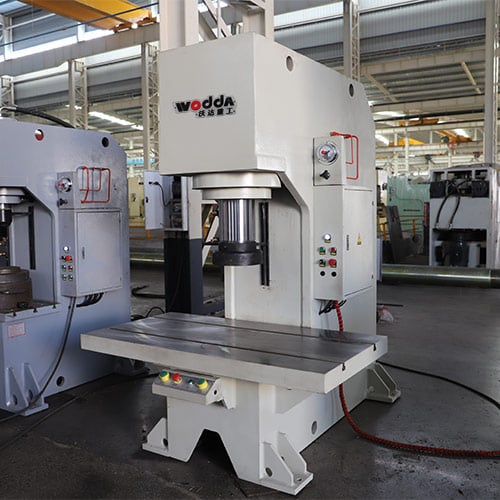
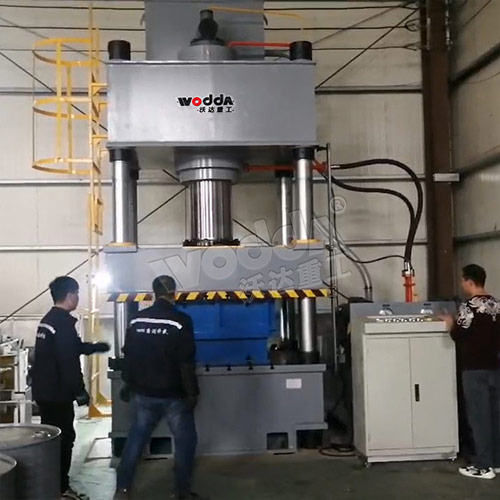
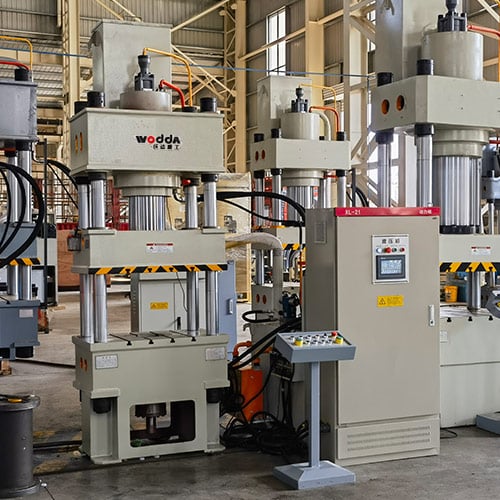
Hydraulic hot press machines are essential tools in various manufacturing processes, particularly in industries like automotive, metallurgy, and sheet metal forming. These machines utilize hydraulic pressure to create high-temperature conditions that facilitate the pressing and shaping of materials. For B2B buyers, understanding the specifications, costs, potential issues, and applications of hydraulic hot press machines is crucial for making informed purchasing decisions. This article will provide insights into these vital aspects, helping you navigate the complexities of selecting the right hydraulic hot press machine for your needs.
When evaluating hydraulic hot press machines, several key specifications should be considered to ensure the equipment meets your operational requirements:
Capacity and Force: This refers to the maximum load the machine can exert. The required force will depend on the specific materials you intend to work with. For example, metal forming typically requires higher force levels than plastic molding. If you're looking for a machine with higher capacity, consider the 3000 tons steel door embossing machine.
Working Size: The dimensions of the pressing area are critical. Ensure that the machine can accommodate the size of the materials you plan to process. Oversized materials may require custom solutions.
Temperature Range: Hydraulic hot press machines operate at varying temperatures depending on the application. Check the machine’s maximum and minimum temperature capabilities to ensure they align with your material requirements.
Cycle Time: This is the duration it takes to complete a pressing cycle. Shorter cycle times can enhance productivity but may require a machine with more advanced features.
Construction and Durability: Look for machines built from high-quality materials that can withstand the pressures and temperatures of operation. This includes evaluating the frame, hydraulic components, and controls for robustness.
Energy Efficiency: Consider the machine's energy consumption, as more efficient models can lead to significant savings in operational costs.
Control Systems: Advanced control systems can offer more precise temperature and pressure management, improving product quality and consistency.
Understanding these specifications will help you assess which hydraulic hot press machine aligns best with your production needs.
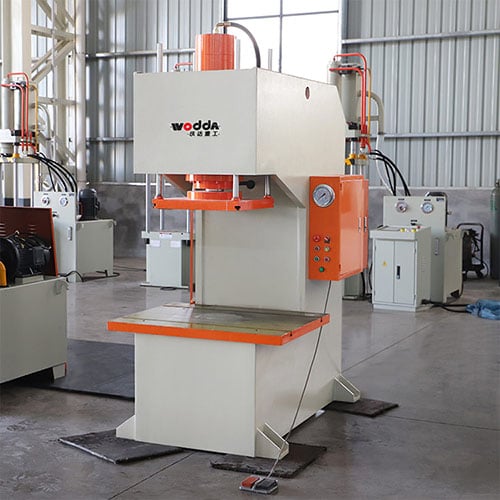
The cost of hydraulic hot press machines can vary widely based on several factors:
Machine Type: Different models, such as 3-beam or 4-column presses, have varying price points. Specialized machines for specific applications may also come at a premium. For example, the 200 ton double action thin plate stretching hydraulic press is a notable option.
Specifications: Higher capacity, advanced features, and robust construction typically lead to increased costs. Customization options can also add to the price.
Manufacturer Reputation: Established manufacturers, like Shandong Woda Heavy Machinery, often charge more due to their proven track record, certifications (such as ISO9001), and advanced technology.
Market Demand: Fluctuations in supply and demand can influence prices. For instance, during periods of high demand in industries like automotive manufacturing, prices may rise.
Shipping and Installation: Don’t forget to factor in transportation and installation costs, especially if importing from overseas. These additional expenses can significantly impact the total cost.
Maintenance and Operating Costs: Consider the long-term costs associated with maintenance and operation. Machines with higher energy efficiency may save money over time.
Understanding these cost factors will give you a clearer picture of the total investment required for a hydraulic hot press machine.
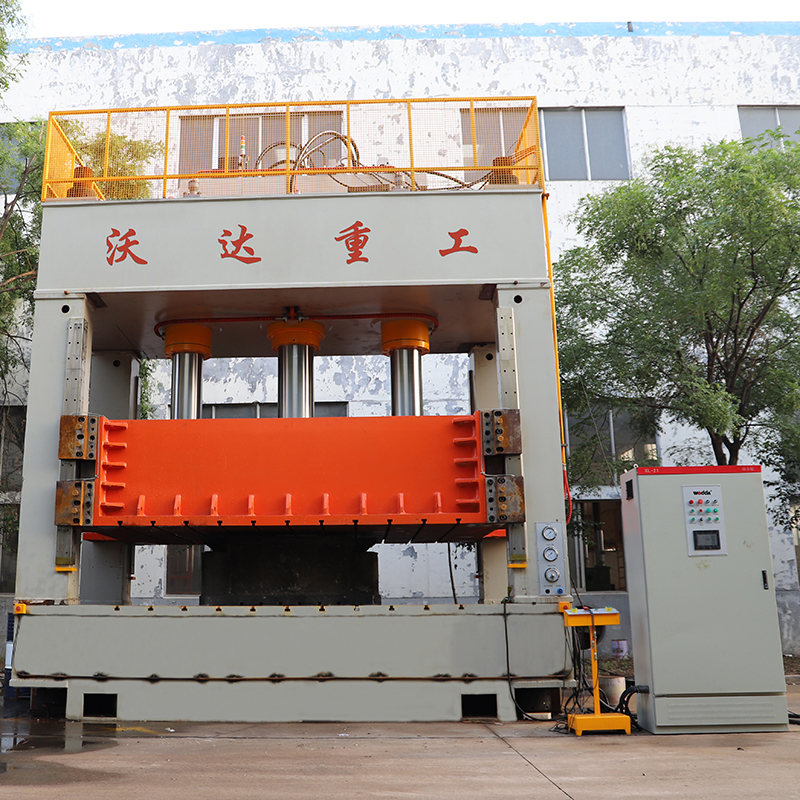
Hydraulic hot press machines can encounter various issues during operation. Here are some common problems and their solutions:
Hydraulic Leaks: Leaks can occur due to worn seals or improper fittings. Regular maintenance checks and timely replacement of seals can prevent this issue.
Temperature Control Problems: Inconsistent temperatures can affect product quality. Ensure that the heating elements are functioning correctly and that the control systems are calibrated.
Pressure Fluctuations: Unstable pressure can lead to defects in the finished product. This may be caused by a malfunctioning hydraulic pump or air in the hydraulic lines. Bleeding the lines and checking pump performance can help resolve this.
Overheating: Machines can overheat if the cooling systems are inadequate. Regularly check coolant levels and ensure there’s sufficient airflow around the machine.
Material Misalignment: Misalignment can lead to uneven pressing and product defects. Implementing proper loading techniques and using guides can reduce the risk of misalignment.
Control System Failures: Electronic control failures can halt production. Regular software updates and hardware checks can help prevent these issues.
Being aware of these common problems and their solutions can help you mitigate downtime and maintain efficient production.
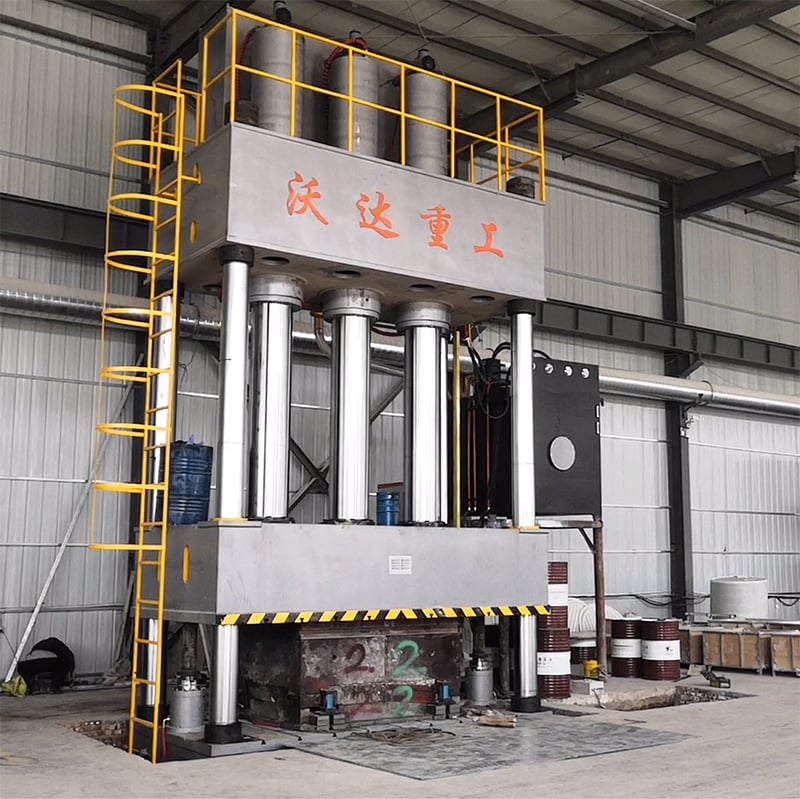
Hydraulic hot press machines find applications across multiple industries, each leveraging their unique capabilities:
Automotive Industry: In this sector, hydraulic hot presses are used for forming body panels, pressing composite materials, and manufacturing parts like bumpers and interior components.
Sheet Metal Forming: These machines efficiently shape and mold sheet metal into various designs, essential for fabricating parts in appliances, automotive, and construction.
Mining and Metallurgy: Hydraulic hot presses are utilized for producing metal components and refining materials under controlled high-temperature conditions.
Composite Manufacturing: In industries utilizing composite materials, hydraulic hot presses help create lightweight, strong components for aerospace and automotive applications.
Furniture Manufacturing: They are also used to press wood veneers and laminates, ensuring high-quality finishes and structural integrity in furniture production.
Packaging Industry: Hydraulic hot presses assist in creating durable packaging materials, where high pressure and temperature are required for optimal performance.
Understanding these applications can help you identify how hydraulic hot press machines can be integrated into your specific manufacturing processes.
In the fields of automobile manufacturing, mechanical processing, hardware and electrical appliances, it provides customers with customized hydraulic press solutions. Products are widely used in automobile manufacturing, sheet metal processing, animal husbandry, mining, metallurgy, environmental protection, transportation and power generation.
Provide one-stop service, covering customized design, production and manufacturing, installation and commissioning, and after-sales service of hydraulic presses. The main products include three-beam four-column hydraulic presses, single-column hydraulic presses and other types to meet the diverse needs of customers in different industries.
Shandong Woda Heavy Machinery Co., Ltd. has dozens of national patent certificates with years of industry experience and technical accumulation, which fully demonstrates its innovative ability and technical strength in the field of forging machine tools. The company has passed the EU CE certification and ISO9001 international quality management system certification.
Always adhering to the service concept of "achieving customers and people-oriented", it provides customers with 24-hour online Q&A services to ensure that any problems encountered by customers during use can be solved in a timely manner. The company has a professional R&D team and technical support personnel who can respond to customer needs quickly.
Ensuring the quality of hydraulic hot press machines is vital for their performance and longevity. Several quality control measures can be implemented during manufacturing:
Material Selection: High-quality raw materials should be selected for all components. This includes testing for strength and durability to ensure they can withstand operational stresses.
Precision Engineering: Employing precise engineering techniques during manufacturing helps maintain tolerances and alignment, which are crucial for the machine’s performance.
Testing Procedures: Rigorous testing protocols, including pressure tests and temperature simulations, should be conducted before machines leave the factory. This ensures they meet safety and operational standards.
Certification Compliance: Ensuring that the machines comply with international certifications (like CE and ISO9001) helps guarantee that they have undergone thorough quality assessments.
Regular Maintenance Checks: Post-manufacturing, establishing a maintenance schedule can help prolong the machine’s life and prevent issues that arise from wear and tear.
Customer Feedback Loop: Implementing a system for gathering customer feedback post-sale can provide insights into potential improvements in design and manufacturing processes.
By incorporating these quality control measures, manufacturers can enhance the reliability and performance of hydraulic hot press machines, ultimately leading to greater customer satisfaction and reduced operational disruptions.

Copyright © Shandong Woda Heavy Machinery Co., Ltd. All Rights Reserved. - Privacy Policy - Blog
 EN
 AR
 BG
 HR
 CS
 FR
 DE
 EL
 HI
 IT
 JA
 KO
 PT
 RO
 RU
 ES
 TL
 ID
 LV
 LT
 SR
 UK
 VI
 SQ
 TH
 TR
 MS
 MK
 HY
 AZ
 KA
 MN
 KK
 UZ
 KY