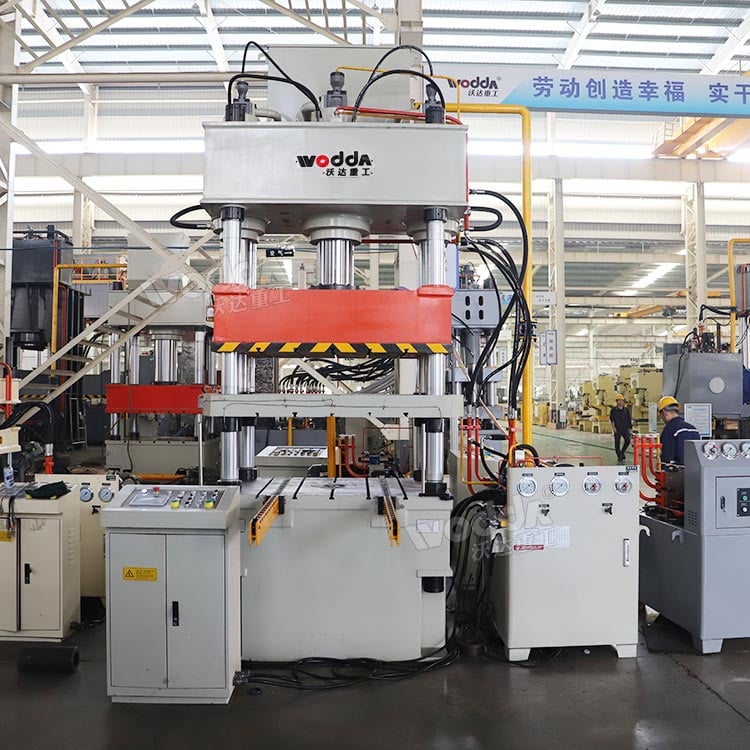
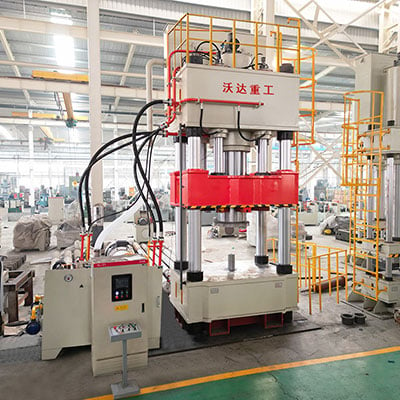
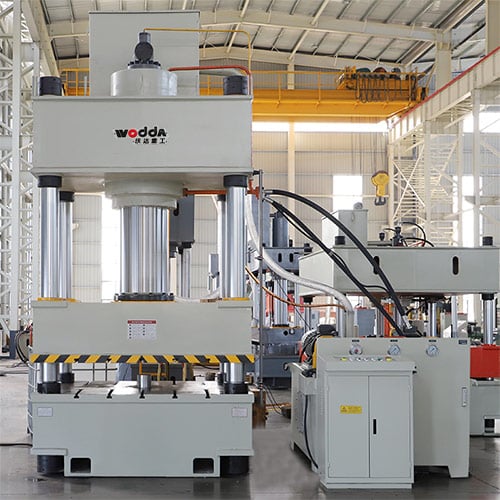
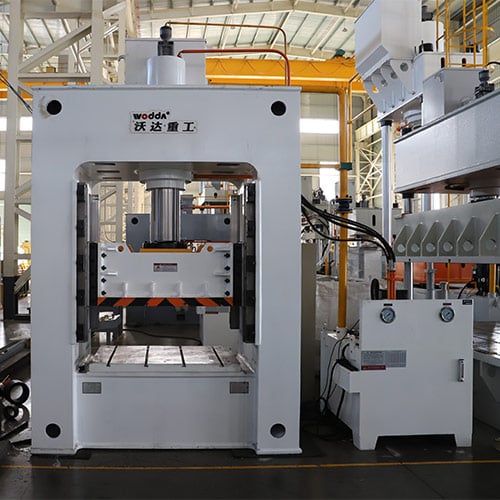
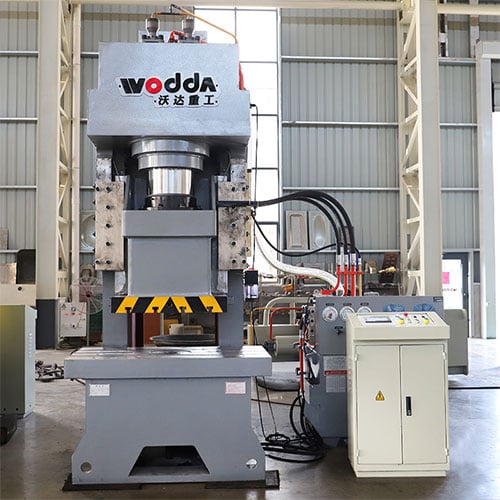
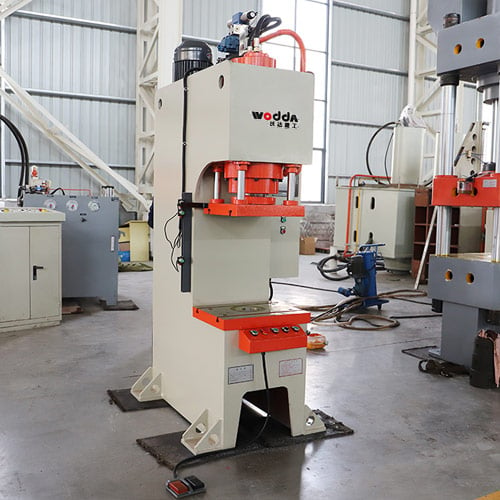
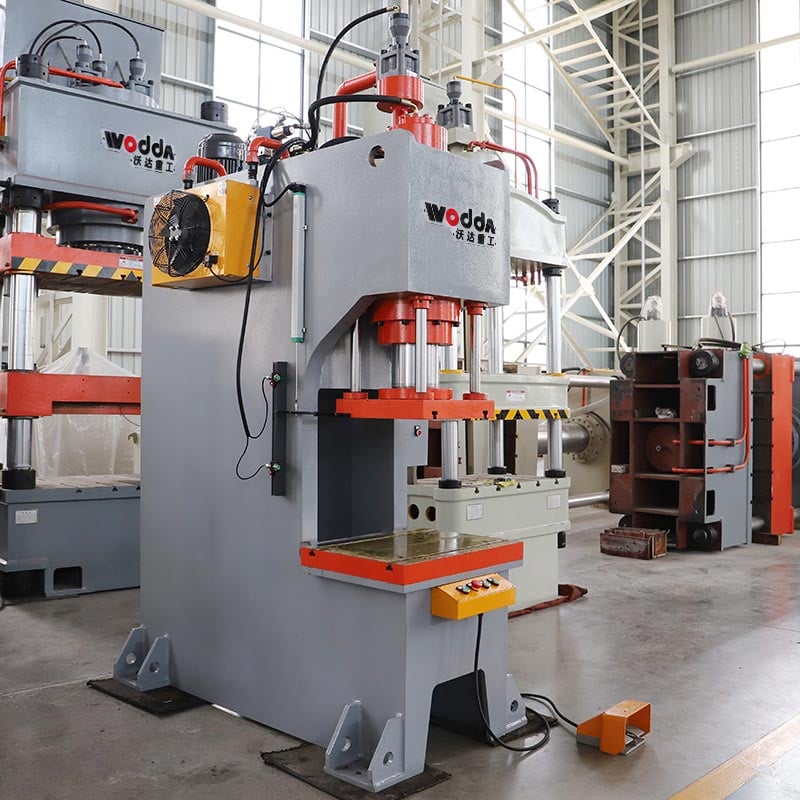
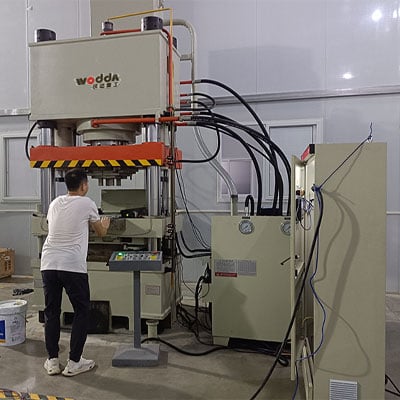
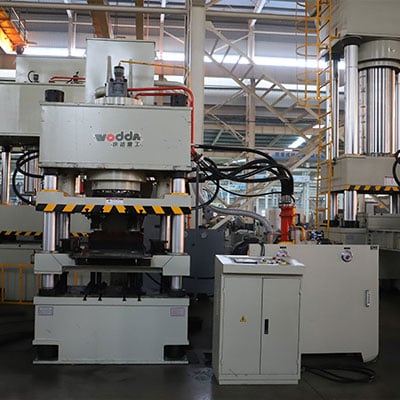
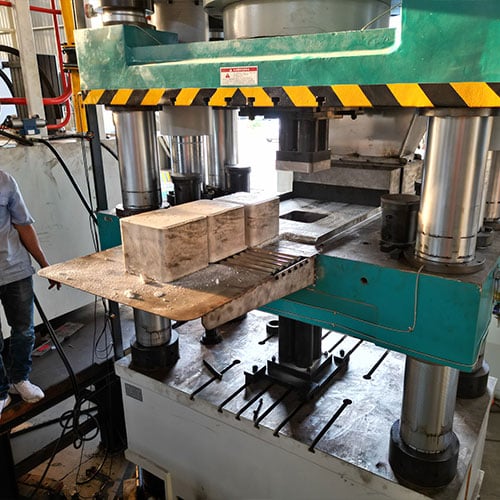
The hydraulic forging press is an essential piece of equipment in various industrial applications, particularly in the manufacturing of metal components. This machine uses hydraulic force to shape materials, offering precision and efficiency. For B2B buyers, understanding the specifications, applications, and potential issues with smc hydraulic press is crucial in making informed purchasing decisions. This article will provide insights into selecting the right hydraulic forging press, sourcing reliable suppliers, cost considerations, common challenges, and the diverse applications of these machines.
Selecting the appropriate hydraulic forging press involves several critical factors. First, consider the specifications based on your production needs. Key specifications include the press capacity, which is often measured in tons, and the working area dimensions, which must accommodate the size of your components. Next, evaluate the structure of the press. Common designs include three-beam and four-column configurations, each offering different advantages in stability and load distribution. A four-column press, for example, can provide better precision for intricate shapes, while a three-beam press might be more suitable for larger, simpler shapes due to its robust construction. Additionally, assess the machine's hydraulic system. The type of hydraulic fluid used, system pressure, and the efficiency of the hydraulic components directly affect the machine's performance and longevity. It's advisable to consult with manufacturers like Shandong Woda Heavy Machinery, which specializes in hydraulic deep drawing press, to understand the best options for your specific application.
Finding a trustworthy supplier for hydraulic forging presses is vital for ensuring quality and reliability. Start by researching manufacturers with a proven track record in the industry. Look for companies that not only produce hydraulic presses but also have a comprehensive service and support system, which is essential for maintenance and troubleshooting. Trade shows and industry expos are excellent venues for meeting suppliers face-to-face. These events allow you to see the machinery in action, ask technical questions, and understand the suppliers' capabilities better. Additionally, online platforms and industry directories can provide valuable insights into supplier reviews and ratings. When evaluating suppliers, consider their certifications, such as ISO9001 and CE marks, which indicate adherence to international quality standards. Also, inquire about their experience serving different industries, as a supplier with a diverse clientele is often more adaptable to specific needs. Finally, don't hesitate to ask for references or case studies from previous clients. This will give you confidence in their ability to deliver machinery that meets your production requirements.
The cost of hydraulic forging presses can vary significantly based on several factors. First, the machine's specifications, including capacity, design, and features, greatly influence the price. Higher capacity presses with advanced features will naturally come at a premium. Next, consider the total cost of ownership, which includes not just the purchase price but also operational costs such as energy consumption, maintenance, and potential downtime. An efficient hydraulic press can save significant energy costs over its lifespan. When evaluating costs, also factor in the expected lifespan and potential resale value of the equipment. Customization can also impact pricing. If you require specific modifications or additional features, be prepared for increased costs. Always request detailed quotations from suppliers that break down these costs to help you make a more informed decision. Lastly, inquire about financing options and warranties. A manufacturer willing to offer favorable financing can ease the initial investment burden, and a comprehensive warranty can provide peace of mind regarding the machine's performance.
Hydraulic forging presses, while robust, can experience common issues that may affect performance. One frequent problem is hydraulic fluid leaks, which can lead to reduced efficiency and increased operating costs. Regular maintenance and inspections can help identify leaks early on, and using quality hydraulic fluid can minimize wear on seals and components. Another issue is the misalignment of the press. This can cause uneven pressure distribution and affect the quality of the forged parts. Regular calibration and alignment checks are crucial. It's advisable to establish a routine maintenance schedule with your supplier or a qualified technician to keep the press functioning optimally. Additionally, operators should be trained to recognize signs of wear or malfunction, such as unusual noises or vibrations. Promptly addressing these symptoms can prevent more severe issues and costly repairs. Lastly, ensure that the machine's software and control systems are up to date, as advancements in technology can improve operational efficiency and safety features. Suppliers like Shandong Woda Heavy Machinery often provide updates and support for their hydraulic press moulding machine, helping to keep your operations running smoothly.
Always adhering to the service concept of "achieving customers and people-oriented", it provides customers with 24-hour online Q&A services to ensure that any problems encountered by customers during use can be solved in a timely manner. The company has a professional R&D team and technical support personnel who can respond to customer needs quickly.
In the fields of automobile manufacturing, mechanical processing, hardware and electrical appliances, it provides customers with customized hydraulic press solutions. Products are widely used in automobile manufacturing, sheet metal processing, animal husbandry, mining, metallurgy, environmental protection, transportation and power generation.
Shandong Woda Heavy Machinery Co., Ltd. has dozens of national patent certificates with years of industry experience and technical accumulation, which fully demonstrates its innovative ability and technical strength in the field of forging machine tools. The company has passed the EU CE certification and ISO9001 international quality management system certification.
Provide one-stop service, covering customized design, production and manufacturing, installation and commissioning, and after-sales service of hydraulic presses. The main products include three-beam four-column hydraulic presses, single-column hydraulic presses and other types to meet the diverse needs of customers in different industries.
Hydraulic forging presses have versatile applications across multiple industries. In the automotive sector, they are crucial for producing components such as gears, crankshafts, and connecting rods, where precision and strength are paramount. The forging process enhances the mechanical properties of these parts, improving overall durability. In the sheet metal industry, hydraulic presses are employed for tasks like forming and punching, allowing for intricate shapes to be created with minimal waste. These presses are also essential in the mining and metallurgy sectors, where they are used to forge tools and equipment capable of withstanding extreme conditions. Furthermore, the energy sector utilizes hydraulic forging presses for the production of components in turbines and generators. The ability to create strong, lightweight parts is integral to the efficiency of these systems. As industries evolve, the demand for customized solutions increases. Hydraulic forging presses are adaptable, allowing manufacturers to cater to specific requirements such as unique material compositions and part geometries. This adaptability is a significant advantage, making hydraulic forging presses a staple in modern manufacturing processes.
Copyright © Shandong Woda Heavy Machinery Co., Ltd. All Rights Reserved. - Privacy Policy - Blog
 EN
EN AR
AR BG
BG HR
HR CS
CS FR
FR DE
DE EL
EL HI
HI IT
IT JA
JA KO
KO PT
PT RO
RO RU
RU ES
ES TL
TL ID
ID LV
LV LT
LT SR
SR UK
UK VI
VI SQ
SQ TH
TH TR
TR MS
MS MK
MK HY
HY AZ
AZ KA
KA MN
MN KK
KK UZ
UZ KY
KY