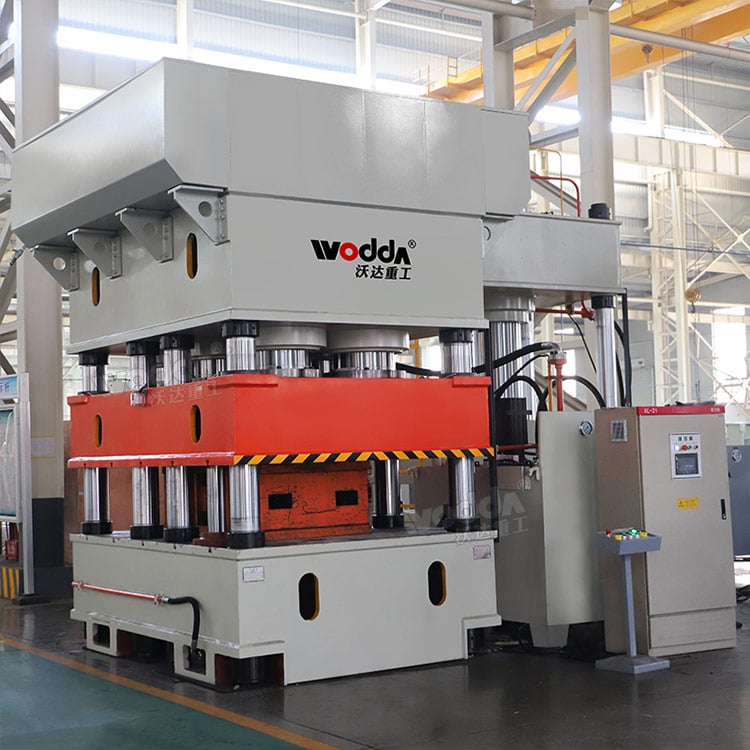
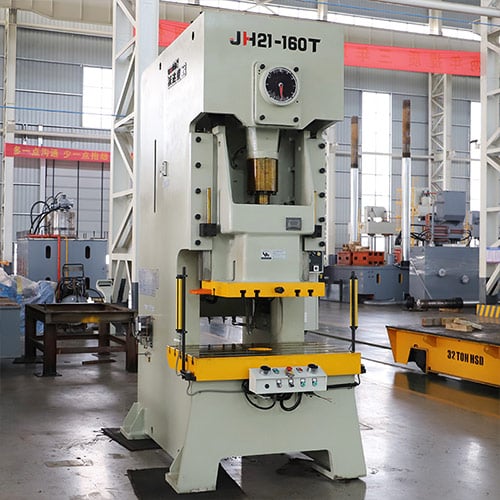
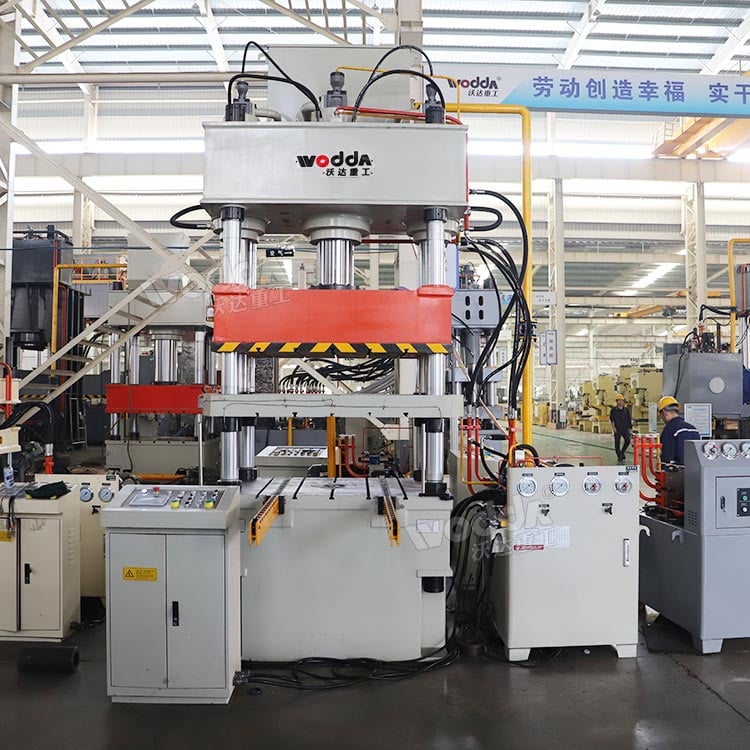
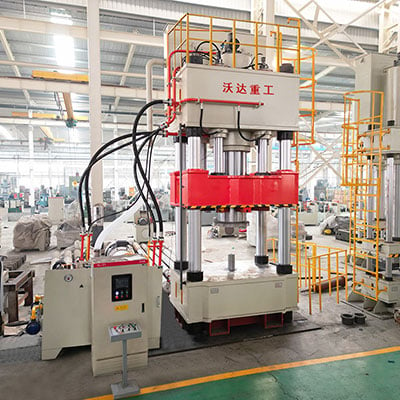
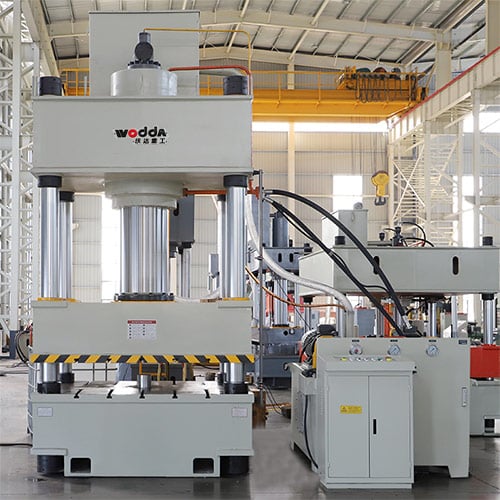
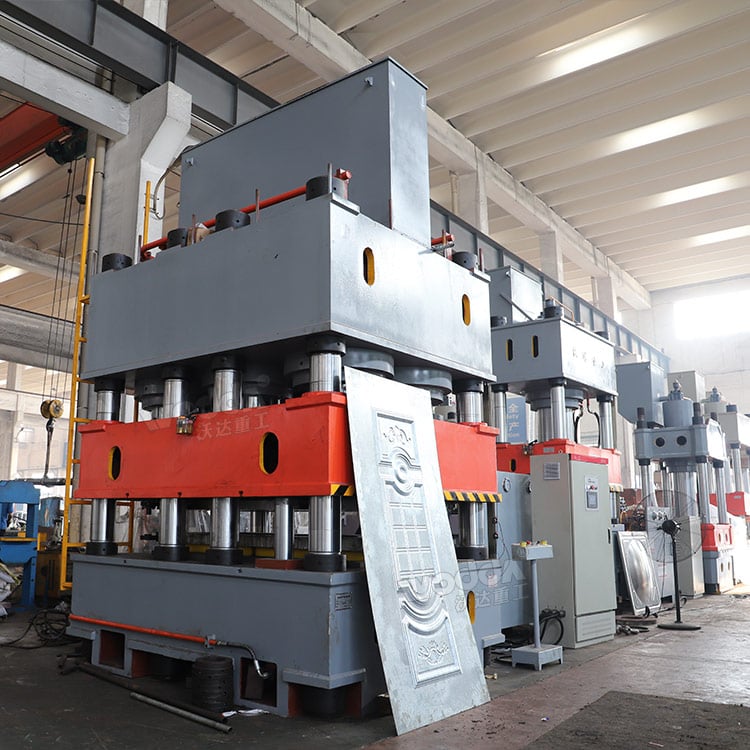
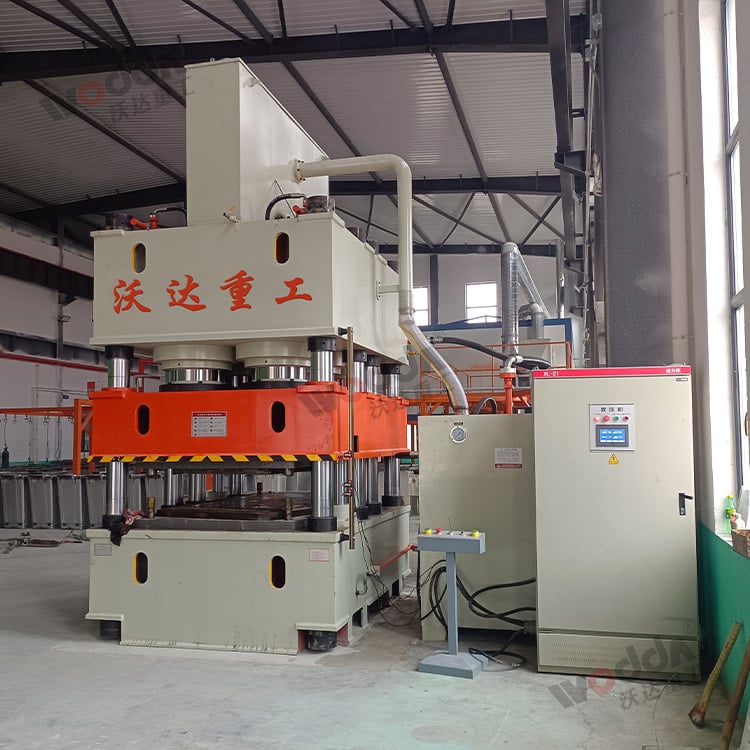
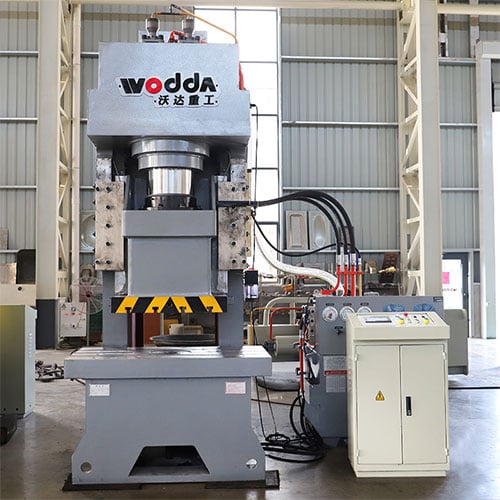
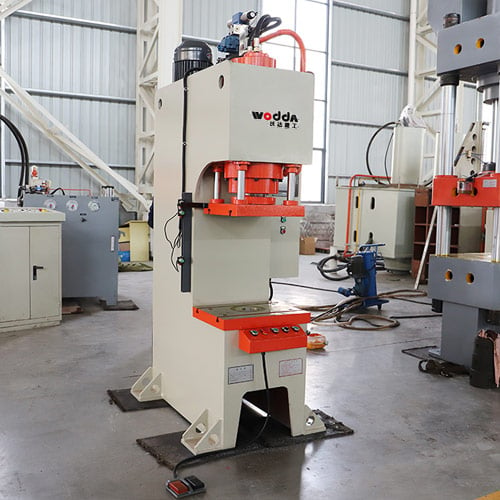
Investing in a helmet making machine is crucial for manufacturers aiming to produce high-quality protective headgear for various industries. Understanding the key features, specifications, and common challenges associated with these Woda helmet press can significantly impact production efficiency and product quality. This article will address essential considerations for B2B buyers, such as what to look for when selecting a helmet making machine, how to evaluate quality, and solutions for common production issues.
When selecting a helmet making machine for wholesale production, several factors should be carefully assessed to ensure the right fit for your manufacturing needs. First and foremost, consider the Woda helmet hydraulic press production capacity, as it must align with your expected output. Evaluate the machine's compatibility with the materials you plan to use, such as polycarbonate or fiberglass, as this directly affects the durability and safety of the helmets produced.
Next, look into the machine's automation features. Fully automated machines can enhance production speed and reduce labor costs, while semi-automated options may offer more flexibility for customization. Additionally, examine the machine's footprint to ensure it fits within your production facility's layout without compromising workflow.
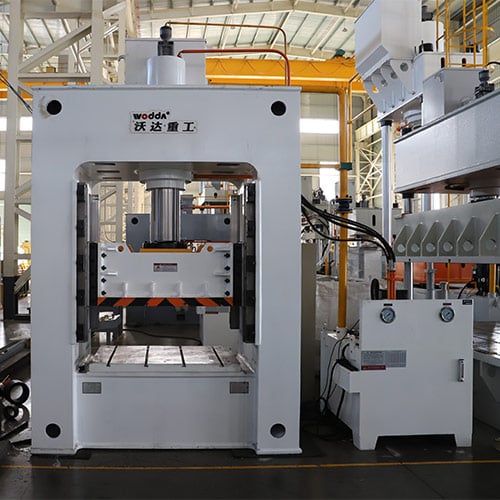
Certifications are another crucial consideration. Ensure that the machine complies with relevant safety and quality standards, such as ISO9001 and CE certifications, which reflect the manufacturer's commitment to quality and reliability. Lastly, factor in the machine's maintenance requirements and support services provided by the manufacturer of Woda Frame Hydraulic Press, as ongoing support is essential for minimizing downtime.
Several key specifications define the effectiveness and efficiency of helmet making machines. Understanding these can help buyers make informed decisions.
Production Capacity: Measured in units per hour, this specification indicates how many helmets the machine can produce in a given timeframe. Higher capacities are essential for large-scale manufacturing.
Machine Dimensions: The size of the machine influences production space and layout. Ensure the dimensions fit your facility while allowing for safe operation and maintenance access.
Power Consumption: Machines vary in energy efficiency. Choosing a model with lower power consumption can lead to significant cost savings over time.
Material Compatibility: The machine must be compatible with various materials, including thermoplastics and composite materials, depending on the helmet design.
Control System: Advanced control systems enhance precision in production. Look for machines with user-friendly interfaces and programmable settings for different helmet models.
Cycle Time: This refers to the time required to produce a helmet from start to finish. Shorter cycle times improve overall productivity.
By thoroughly assessing these specifications, buyers can select a helmet making machine that aligns with their production goals.
Quality evaluation of helmet making machines involves several steps that ensure the machinery meets industry standards and fulfills operational requirements.
First, inquire about the manufacturer’s quality assurance processes. A reputable manufacturer will have rigorous testing procedures in place to guarantee that every machine functions correctly and meets safety standards. Request information about any certifications that the machine holds, such as ISO9001, which indicates adherence to international quality management standards.
Next, consider requesting product samples or demonstrations. Observing the machine in operation can provide insight into its efficiency, ease of use, and the quality of the helmets produced. During this process, evaluate the finish of the helmets, ensuring they meet your quality standards for durability and aesthetics.
Lastly, seek feedback from existing customers of the manufacturer. Reviews and testimonials can provide valuable insights into the reliability of the machine and the manufacturer's customer service and support capabilities.
Manufacturers may encounter several challenges during helmet production. Here are some common issues and practical solutions:
Material Defects: Inconsistent material quality can lead to structural weaknesses in helmets. To mitigate this, establish strong relationships with reliable suppliers and conduct regular material inspections to ensure compliance with specifications.
Equipment Malfunctions: Downtime due to equipment failure can be costly. Implement a regular maintenance schedule and ensure that spare parts are readily available to minimize disruptions.
Inaccurate Molding: Poorly calibrated machines can result in inaccuracies in helmet shape and size. Regular calibration checks and operator training can ensure that machines maintain precision.
Cycle Time Delays: Bottlenecks can occur due to inefficient production processes. Analyzing workflow and identifying areas for improvement can help streamline operations and enhance productivity.
By recognizing these common issues and implementing proactive strategies, manufacturers can significantly enhance their production efficiency and product quality.
Provide one-stop service, covering customized design, production and manufacturing, installation and commissioning, and after-sales service of hydraulic presses. The main products include three-beam four-column hydraulic presses, single-column hydraulic presses and other types to meet the diverse needs of customers in different industries.
Always adhering to the service concept of "achieving customers and people-oriented", it provides customers with 24-hour online Q&A services to ensure that any problems encountered by customers during use can be solved in a timely manner. The company has a professional R&D team and technical support personnel who can respond to customer needs quickly.
Shandong Woda Heavy Machinery Co., Ltd. has dozens of national patent certificates with years of industry experience and technical accumulation, which fully demonstrates its innovative ability and technical strength in the field of forging machine tools. The company has passed the EU CE certification and ISO9001 international quality management system certification.
In the fields of automobile manufacturing, mechanical processing, hardware and electrical appliances, it provides customers with customized hydraulic press solutions. Products are widely used in automobile manufacturing, sheet metal processing, animal husbandry, mining, metallurgy, environmental protection, transportation and power generation.
The choice of materials in helmet production is critical, as it directly influences the performance and safety of the final product. Understanding the advantages of various materials can help buyers make informed decisions regarding their helmet making machines.
Polycarbonate: Known for its high impact resistance, polycarbonate is a popular choice for safety helmets. It offers excellent durability while being relatively lightweight, making it suitable for long-term wear.
Fiberglass: Fiberglass helmets provide excellent strength and rigidity. They are often used in applications requiring high levels of protection, such as construction or industrial settings. However, they can be heavier than other materials.
ABS Plastic: This material is known for its toughness and resilience. ABS helmets are often more cost-effective and suitable for mass production, making them a common choice for less demanding applications.
Composites: Advanced composite materials combine the benefits of various substances, offering tailored properties for specific applications. These can be particularly advantageous in industries where weight and strength are critical.
Selecting the right material is essential not just for compliance with safety standards but also for meeting customer expectations regarding comfort and performance. The helmet making machine must be capable of processing these materials effectively to produce high-quality helmets.
By understanding these material advantages, manufacturers can tailor their production processes to meet specific market demands while ensuring safety and reliability in their helmet offerings.
Copyright © Shandong Woda Heavy Machinery Co., Ltd. All Rights Reserved. - Privacy Policy - Blog
 EN
EN AR
AR BG
BG HR
HR CS
CS FR
FR DE
DE EL
EL HI
HI IT
IT JA
JA KO
KO PT
PT RO
RO RU
RU ES
ES TL
TL ID
ID LV
LV LT
LT SR
SR UK
UK VI
VI SQ
SQ TH
TH TR
TR MS
MS MK
MK HY
HY AZ
AZ KA
KA MN
MN KK
KK UZ
UZ KY
KY