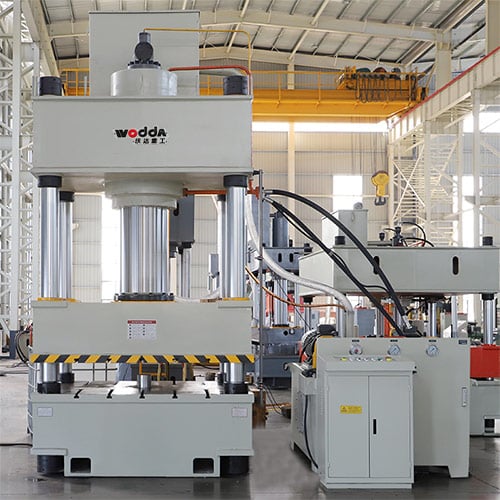
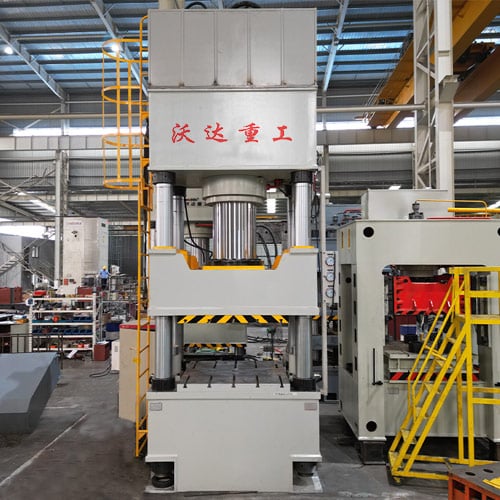
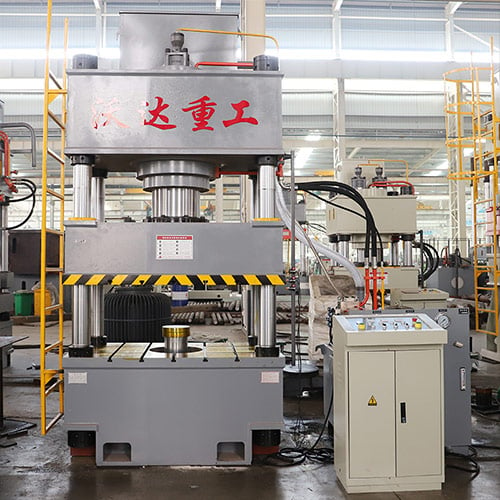
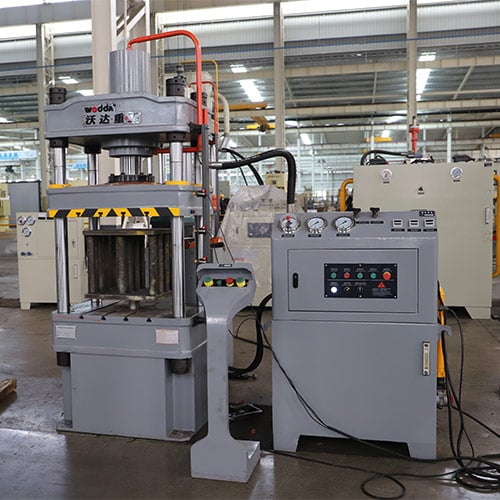
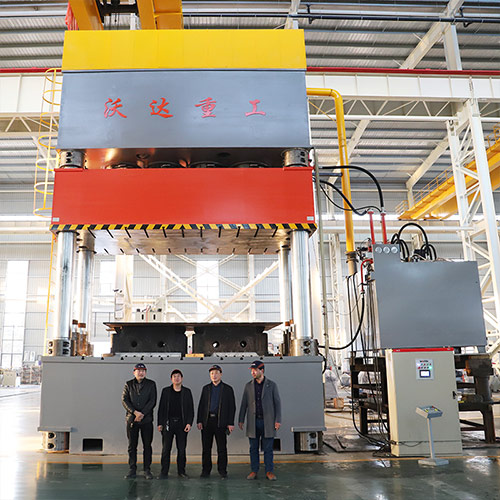
A 300 ton hydraulic press machine is a powerful industrial tool designed for various applications, including metal forming, molding, and assembly processes. For B2B buyers, key concerns often revolve around performance capabilities, customization options, and potential cost implications. This article aims to provide a comprehensive overview of what to consider when selecting a steel door hydraulic press machine, detailing specifications, cost factors, common issues, and installation guidance, all crucial for making an informed purchasing decision.
When selecting a Woda 300 ton hydraulic press machine, buyers should consider several critical factors. First, evaluate the intended application—whether it's for automotive manufacturing, sheet metal forming, or other industrial uses. Each application may require different features and specifications.
Next, consider the machine's structure. A 3-beam, 4-column design is commonly preferred for even load distribution and enhanced stability. Additionally, hydraulic systems should be assessed for their efficiency, as this impacts overall operational costs and energy consumption.
Customization capabilities are also essential. Buyers should clarify if the manufacturer can tailor the machine to specific requirements, such as custom stroke lengths or specialized tooling. Lastly, ensure that the machine complies with relevant certifications, such as ISO9001 and CE, which indicate adherence to quality and safety standards.
Understanding the key specifications of a 300 ton hydraulic press machine is vital for making a sound purchasing decision. Some critical specifications include:
Press Capacity: The maximum force output, in this case, 300 tons, defines the auto hydraulic press machine capability to shape or assemble materials.
Stroke Length: The distance the ram travels during operation, which affects the type of projects the press can handle. Longer strokes allow for larger components.
Table Size: The dimensions of the work surface determine the size of the materials that can be processed. Ensure the table accommodates your typical workpiece dimensions.
Pump Type: Hydraulic systems may use either gear or piston pumps; each has different efficiency and response times. Gear pumps are generally preferred for higher speed, while piston pumps are better for pressure consistency.
Control System: Modern presses may feature PLC (Programmable Logic Controller) systems for enhanced automation and precision. Evaluate whether the machine includes user-friendly controls for ease of use.
These specifications directly impact performance, operational efficiency, and suitability for specific applications, making it essential for buyers to understand them thoroughly.
When purchasing 300 ton hydraulic press machines in bulk, several cost factors must be considered. Firstly, the base price of the machine itself can vary significantly based on features, specifications, and customization options. Bulk orders often allow for negotiation on pricing, so it’s wise to inquire about volume discounts.
Shipping and handling costs can also add to the overall expenditure. Ensure that you account for logistics, including transportation methods and any potential tariffs if importing. Additionally, installation costs should be factored in; some suppliers may offer installation services, which could lead to additional expenses.
Finally, consider ongoing operational costs, such as maintenance, energy consumption, and spare parts. High-quality machines may have a higher initial cost but could lead to lower long-term operational expenses due to better durability and efficiency.
Despite their robustness, Woda 300 ton hydraulic press machines may encounter common issues that can affect performance. One typical problem is oil leakage, often caused by worn seals or incorrect assembly. Regular maintenance checks and timely replacement of seals can mitigate this issue.
Another challenge is misalignment, which can lead to uneven pressure distribution and affect the quality of the finished product. It’s advisable to conduct regular alignment checks and make necessary adjustments to ensure optimal operation.
Overheating is another concern, especially in continuous operation scenarios. Implementing adequate cooling systems and monitoring operating temperatures can help manage this risk.
Lastly, operators should be trained adequately to recognize signs of wear or malfunction early on, ensuring that any issues are addressed before they escalate into significant problems.
Shandong Woda Heavy Machinery Co., Ltd. has dozens of national patent certificates with years of industry experience and technical accumulation, which fully demonstrates its innovative ability and technical strength in the field of forging machine tools. The company has passed the EU CE certification and ISO9001 international quality management system certification.
Provide one-stop service, covering customized design, production and manufacturing, installation and commissioning, and after-sales service of hydraulic presses. The main products include three-beam four-column hydraulic presses, single-column hydraulic presses and other types to meet the diverse needs of customers in different industries.
In the fields of automobile manufacturing, mechanical processing, hardware and electrical appliances, it provides customers with customized hydraulic press solutions. Products are widely used in automobile manufacturing, sheet metal processing, animal husbandry, mining, metallurgy, environmental protection, transportation and power generation.
Always adhering to the service concept of "achieving customers and people-oriented", it provides customers with 24-hour online Q&A services to ensure that any problems encountered by customers during use can be solved in a timely manner. The company has a professional R&D team and technical support personnel who can respond to customer needs quickly.
Proper installation of a Woda 300 ton hydraulic press machine is critical for safe and efficient operation. Begin by preparing the installation site, ensuring it can accommodate the machine's size and weight. The foundation should be stable and capable of supporting the total weight of the press, including any additional tooling or fixtures.
Next, review the manufacturer’s installation guidelines meticulously. This may include specific requirements for hydraulic connections, electrical setup, and safety features. It is often advisable to have qualified technicians perform the installation to ensure compliance with industry standards and safety regulations.
After installation, conduct a thorough inspection and testing phase. Check for any hydraulic leaks, ensure that all controls function properly, and validate that the machine operates smoothly without unusual noises or vibrations. Providing adequate training for operators on safe usage and routine maintenance practices is also essential to prolong the machine's lifespan and maintain operational efficiency.
By addressing these key areas, buyers can make informed decisions regarding their servo hydraulic press machine investments, ensuring that they select a solution that meets their specific industrial needs.
Copyright © Shandong Woda Heavy Machinery Co., Ltd. All Rights Reserved. - Privacy Policy - Blog
 EN
 AR
 BG
 HR
 CS
 FR
 DE
 EL
 HI
 IT
 JA
 KO
 PT
 RO
 RU
 ES
 TL
 ID
 LV
 LT
 SR
 UK
 VI
 SQ
 TH
 TR
 MS
 MK
 HY
 AZ
 KA
 MN
 KK
 UZ
 KY